

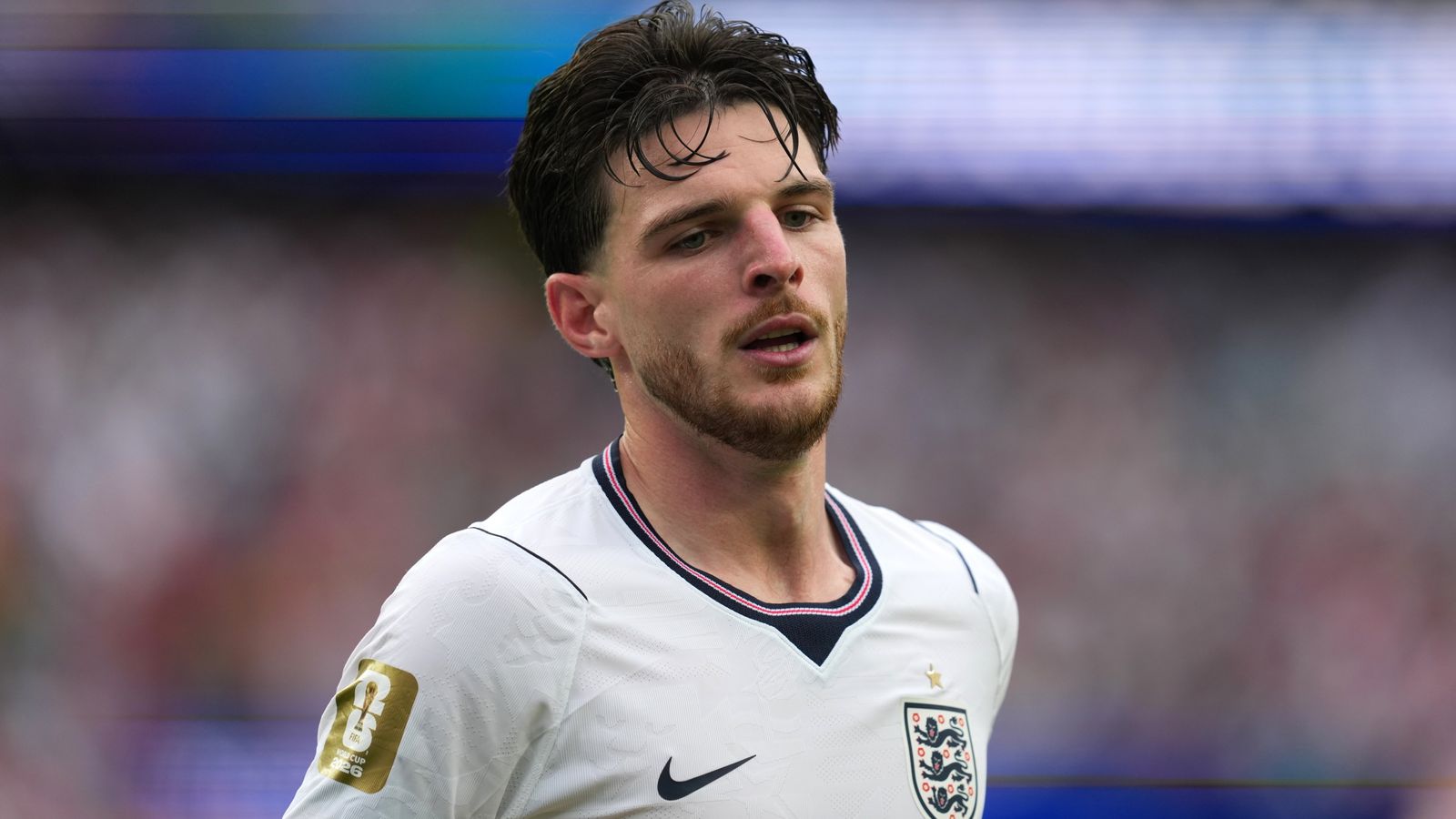
England showed the power of their scintillating pace in the second half against Croatia last week. Creatively, they overwhelmed their European counterparts. But the same was not possible in their second game against Ghana. This was a test of patience; one that England ultimately failed.
Thomas Tuchel’s side were made to wait until the 57th minute to land a shot on target. The game, in fact, was the first of the tournament to be absent of any accurate effort at goal from either team in the first half.
Ghana were set up to spoil any rhythm developing. They made the game a difficult, tetchy watch. Pub-going fans up and down the country had hung their hopes on Tuchel delivering more thrills and spills football. The kind that sends pints flying. Tuchel even admitted to enjoying that aspect of the performance in Dallas.
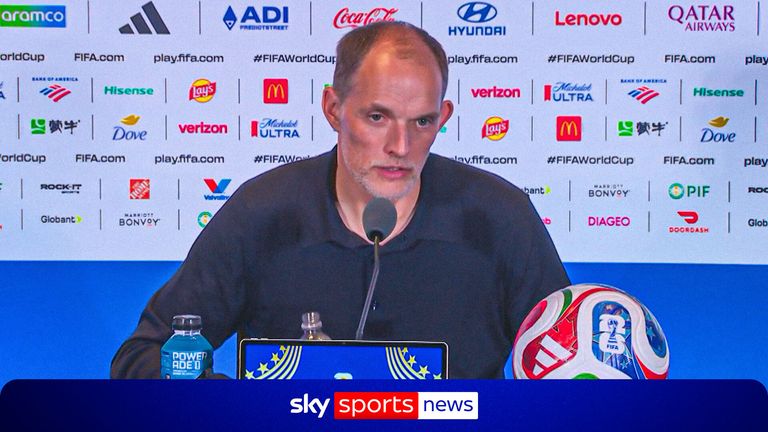
England head coach Thomas Tuchel reflects on the positives despite being unable to break down a stubborn Ghana defence.
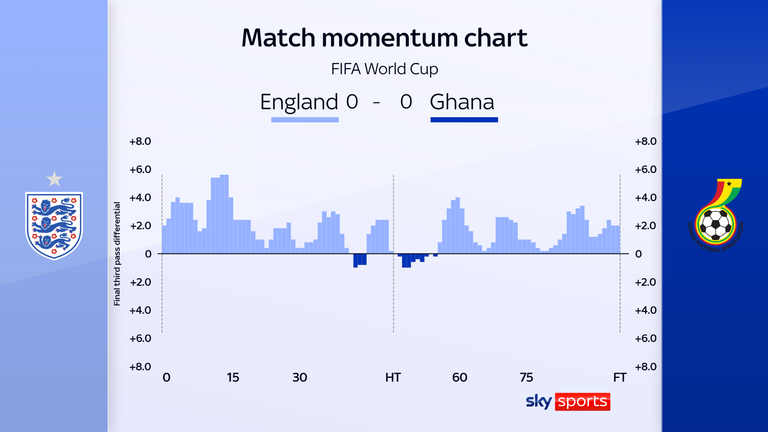
But in the cooler temperatures of Boston, England looked much further from home. Far less comfortable. By the end their dominance was clear, reflected in the numbers, but the football overall was far too safe. Ghana’s deep block emerged relatively unscathed.
“It’s always difficult when you play against 11 behind the ball,” said Declan Rice. “Give credit to Ghana, they were very compact.” He’s right. Ghana were good. And yet, observers will inevitably point to the reoccurrence of second-game syndrome that seems to engulf England at major tournaments.
Scotland, USA, Slovenia and now Ghana. All goalless draws. All in England’s second game of a group stage. Like clockwork.
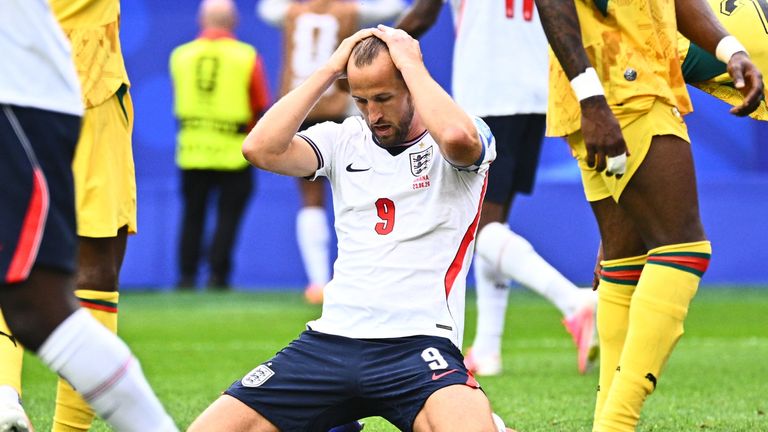
Harry Kane missed a sitter late on
Tuchel rightly earned plaudits for his affect on the Croatia result, giving a half-time team talk that injected energy and vibrancy into England legs. But tweaks on this occasion were far less influential. Openings did improve after the introduction of Morgan Rogers, Marcus Rashford and Bukayo Saka, which will prompt thought ahead of facing Panama on Saturday – another team who will be forced to sit deep to stop England’s talents playing their way.
Perhaps one or all of that trio now have a claim at a starting shirt.
Problems appeared most obviousyly down the left, Nico O’Reilly also making a positive difference with his entry. He nodded against the crossbar in a flurry-filled final minutes, squandering the type of chance he’s been eating up for Manchester City all season. Harry Kane then ballooned the rebound well over. Pressure had got to England heads, and pressure and patience are not normally friends.
“I was waiting for the ball to bounce my way,” Kane, who only managed 19 touches all game, reflected afterwards. That much showed. He was isolated, man-marked out of the contest. Carlos Queiroz actually had a plan to contain all of England’s best threats. In fairness to him, Ghana are one of only four teams yet to concede at these championships.
How worrying is all of this, then? The bigger picture will dictate no immediate panic. England have been unremarkable before and have gone on to make back-to-back European finals. But a lack of inspiration should still concern Tuchel. No player was able to make the step up. Provide the moment, the spark needed to turn a probable draw into something more rousing.
No doubt more fuel will be poured on the selection fire, as fans ask: ‘What if England could call on Cole Palmer’s intelligence?’ or ‘What if Phil Foden was an option?’
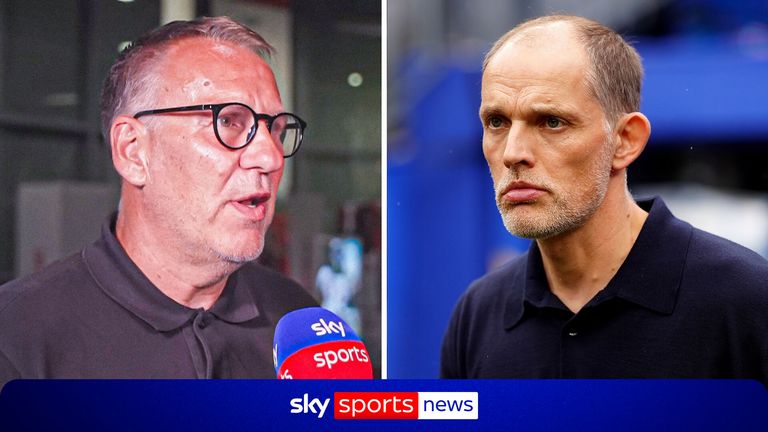
Sky Sports’ Paul Merson gives his verdict on England’s 0-0 draw with Ghana.
Fluency and variation, perhaps, would be in better supply if one of those two mentioned were an alternative to building solely around Kane. If physicality and pace out wide is Plan A – what and who is Plan B? Both Palmer and Foden can play this version of controlled possession, albeit that argument is unhelpful in the here and now.
“I saw it coming as I knew this would be a difficult game,” Tuchel admitted. “You need to be patient but at the right moments be brave.” And that was just it, England were too tolerant for too long, found lacking in the decisive moments. No team in World Cup history has been so possession dominant (78.8 per cent) without scoring.
Tuchel’s side now have a meeting with Panama on Saturday in their final group game to fix things, an assignment they should relish. The England boss must demand far more attacking threat and tempo from his team. His side produced the highest xG (3.20) of all the 48 nations at this World Cup in their beating of Croatia.
Something similar against Panama is what they need to restore confidence in a campaign that has had its momentum frustratingly capped.
