By the end of the 19th-century in the US, it was clear to all interested observers that market power did not automatically or even easily translate into political capital and cultural authority. That is why, unlike the oligarchs of our time, then, certain Gilded Age capitalists learned to become a ruling class.
GAUCÍN—“Oligarchy” is by now a familiar name for the billionaire brethren who freely acknowledge the difference, indeed the conflict, between their interests and the general welfare, at least to the extent that the general welfare is assumed to derive somehow from political equality, itself a dividend of democracy. They and their accomplices drop any pretense to leadership in society or culture, notwithstanding their purchase of votes, gowns, galas, and news outlets. A century from now, most people will remember them as sociopaths whose claims on the future were both ridiculous and ephemeral—childish, in a word—because they wanted power, but not responsibility.


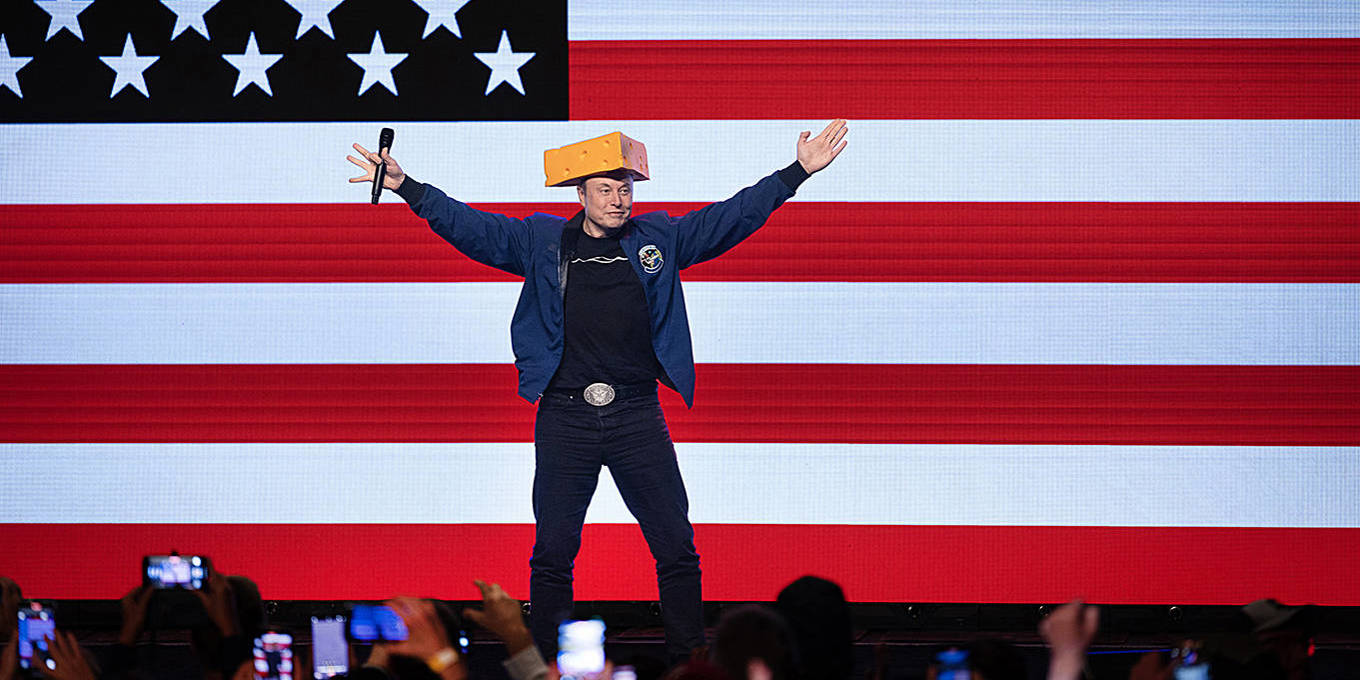

GAUCÍN—“Oligarchy” is by now a familiar name for the billionaire brethren who freely acknowledge the difference, indeed the conflict, between their interests and the general welfare, at least to the extent that the general welfare is assumed to derive somehow from political equality, itself a dividend of democracy. They and their accomplices drop any pretense to leadership in society or culture, notwithstanding their purchase of votes, gowns, galas, and news outlets. A century from now, most people will remember them as sociopaths whose claims on the future were both ridiculous and ephemeral—childish, in a word—because they wanted power, but not responsibility.