While the prevailing economic narrative in the United States has often extolled free markets, policymaking itself has always been more pragmatic. From its very founding, the US has had a hybrid model in which the state directs, subsidizes, and occasionally bails out private enterprise in the service of national priorities.
NEW YORK—As the United States marks 250 years since the signing of the Declaration of Independence this summer, there is no better time to reckon with one of the great myths of American economic life: that the country’s prosperity was built on laissez-faire capitalism. From its very founding, the US has had a hybrid model in which the state directs, subsidizes, and occasionally bails out private enterprise in the service of national priorities. While the prevailing narrative has often extolled free markets, policymaking itself has been more pragmatic.


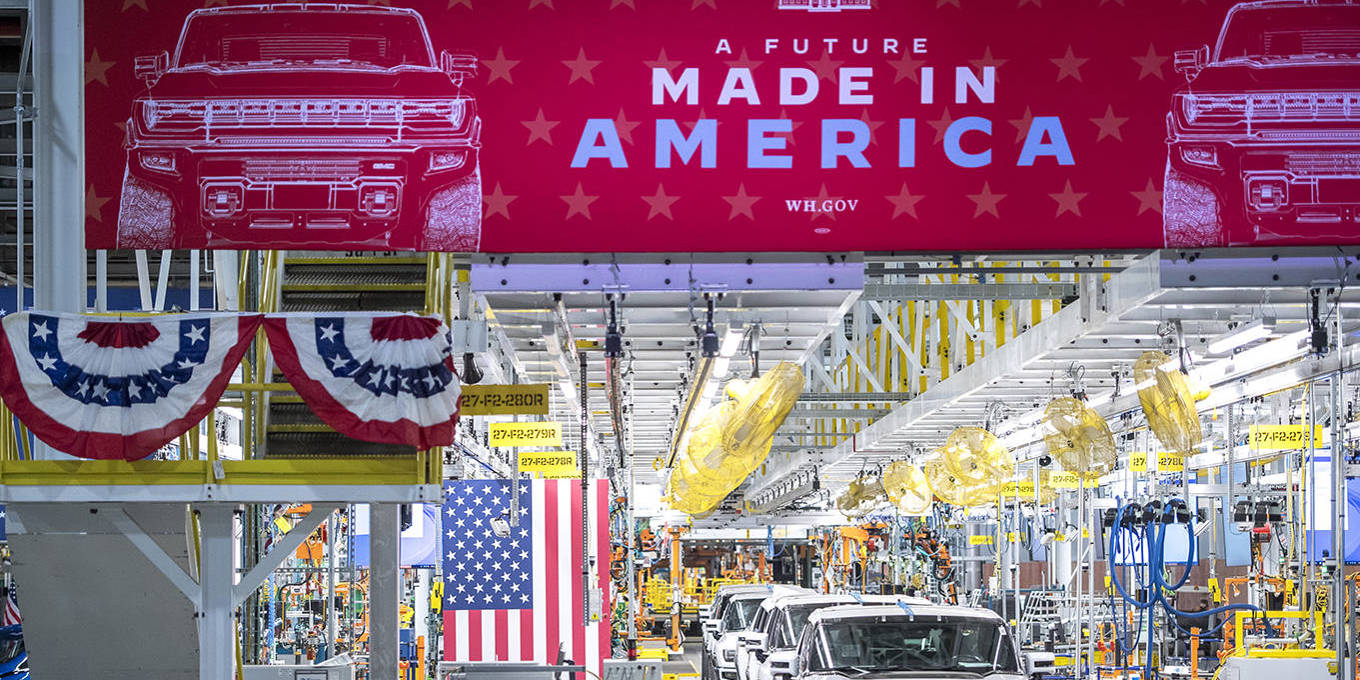

NEW YORK—As the United States marks 250 years since the signing of the Declaration of Independence this summer, there is no better time to reckon with one of the great myths of American economic life: that the country’s prosperity was built on laissez-faire capitalism. From its very founding, the US has had a hybrid model in which the state directs, subsidizes, and occasionally bails out private enterprise in the service of national priorities. While the prevailing narrative has often extolled free markets, policymaking itself has been more pragmatic.