

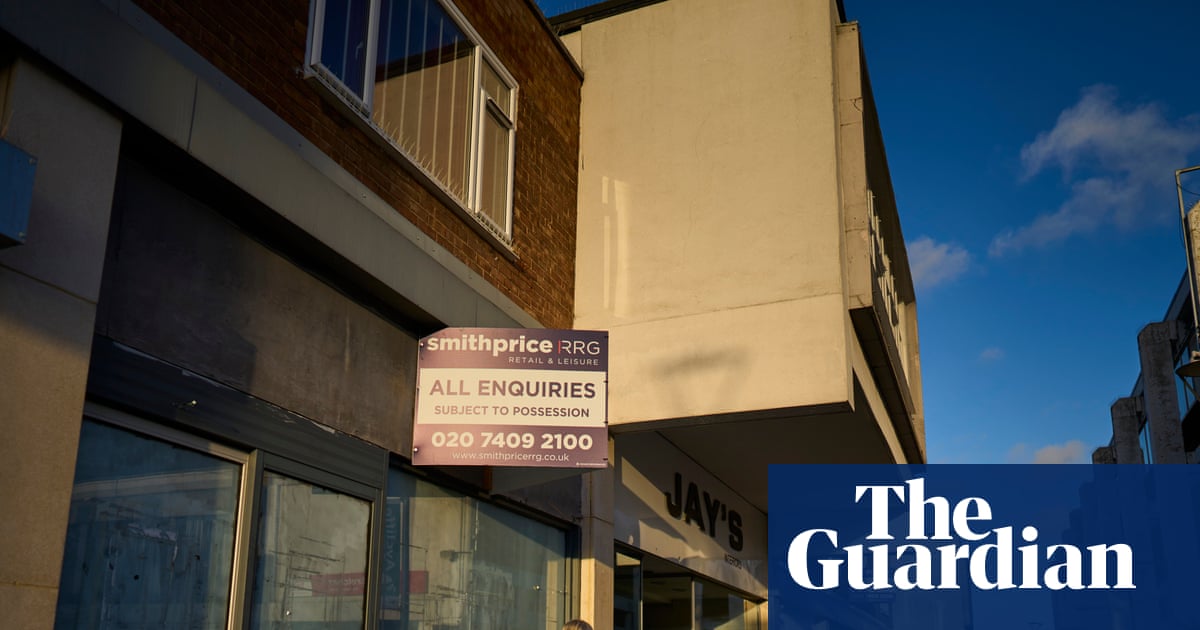
The Guardian’s northern editor, Josh Halliday, recently went to Newton Aycliffe, a town in County Durham, to talk to residents about their high street. They hated it, they told him: there were too many boarded-up shops, the banks had closed and the whole place looked miserable. And yet, Josh discovered, the high street – and the whole of the town centre – was owned by billionaires.
Newton Aycliffe was a new town and when it was built, the high street was supposed to be the jewel in the crown. Today, Josh tells Helen Pidd, “it feels a bit like a ghost town. When I was doing the reporting for this story I was counting the shops: how many there were, which ones were vacant. A teacher spotted my notebook and he just said to me, ‘it’s disgusting, isn’t it?’”
Now high streets could be one of the factors that decide the next election. Reform are focusing on the issue, while Labour has a new policy, Pride in Place, around them. “It’s important for people to feel like their area is prospering,” says Josh. “And if the high street’s not prospering, I think people have a sense that the whole area is not prospering.”
So how did Newton Aycliffe become owned by two billionaire brothers? And what could help high streets like it?

