

The fallout from the latest war in the Middle East has made visible a problem that many preferred to ignore: the international financial architecture is not fit for a world of cascading shocks, tightening fiscal constraints, and rising human need. Nowhere is this more obvious than in Africa.
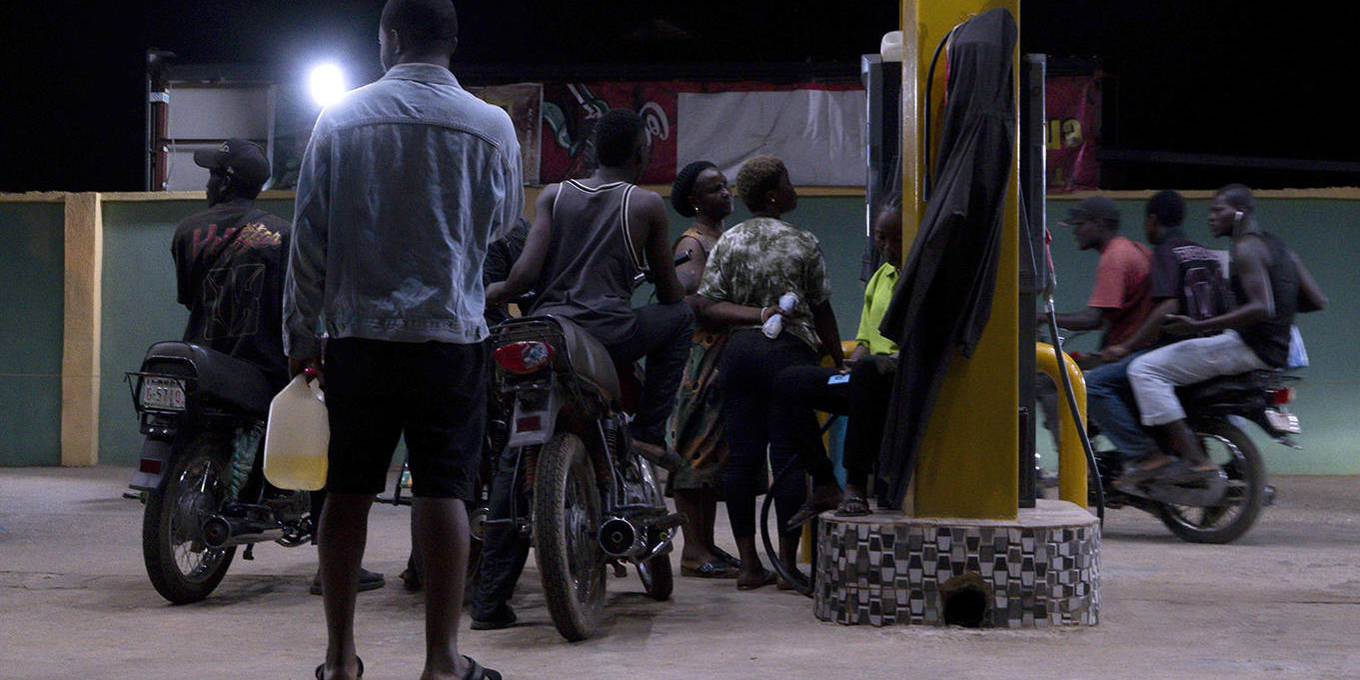
ABUJA—Like wildfires, wars in the Middle East rarely remain contained. Africans have learned this lesson many times, and we are doing so once again. As missiles fly and oil infrastructure smolders, a quiet catastrophe is unfolding across our continent. It can be measured not in battlefield casualties, but in empty fuel pumps, unaffordable bread, and fiscal balances stretched to the breaking point.
The latest geopolitical crisis is not some distant phenomenon. It is right in front of us, visible in government budgets and on our dinner tables. Many African economies are net importers of oil and gas, which leaves them highly exposed to any disruption in Middle Eastern supply chains. But even oil producers like my own country, Nigeria, are not insulated. Domestic gasoline prices have already risen by 50% as the costs of shipping insurance multiply and capital flees to perceived safer markets.
Nor are the consequences confined to the pump. About one-third of global seaborne trade in fertilizers passes through the Strait of Hormuz. Prices have already surged by more than 40%, just as the planting season has arrived in West and Central Africa. If fertilizers are not applied now, harvests will fail.
In India, the world’s second-largest fertilizer consumer, the government is scrambling to secure emergency supplies ahead of the country’s June sowing season. Yet most African governments lack India’s fiscal buffer or diplomatic leverage. They have no Plan B, other than bracing for lower yields, higher food prices, and more hunger. Faced with that prospect, governments will do what they always do: deploy subsidies to shield consumers from the steepest price hikes. But this will be expensive, because governments will be forced to borrow at punishing interest rates.
With debt-servicing costs already high, this dynamic is becoming one of the cruelest features of the war’s global fallout. Hopes for lower interest rates have evaporated as inflationary pressures have persisted. Yet African economies cannot rely on concessional lending at scale. They must borrow at market rates, which are now climbing. Research shows that 12 developing countries—including Kenya, Ghana, Côte d’Ivoire, and Egypt—are simultaneously facing rising borrowing costs and above-median debt payments due this year: a double bind that leaves no room for error. Private capital is retreating just when investment in sustainable agriculture, energy, and industry is most urgently needed.
Making matters worse, Gulf capital—which had recently become a meaningful source of financing for African development—will now dry up as Gulf Cooperation Council governments redirect resources toward reconstruction and military expenditure. That means Africa loses twice: once from the shock, and again from the withdrawal of the financing that might have cushioned it.
There is a bitter irony here. Many have pointed out that Africa contributed very little to climate change, but is expected to shoulder a disproportionate share of the costs. Now we are absorbing the costs of yet another global problem we did not cause, and the escape route—ending fossil-fuel dependencies through an accelerated transition to renewable energy—is being closed off.
Although solar and wind farms have become cheap when calculated over their lifetime, the upfront financing required to build them at scale remains out of reach for countries already struggling to service existing debt. The current financial system’s unforgiving math means that the countries most exposed to fossil-fuel shocks are the least able to invest in the alternatives.
We have been here before. The COVID-19 pandemic exposed the same structural vulnerabilities. But many assumed that such crises were exceptional and manageable. We should have drawn a different lesson: the system itself is broken, and every new shock simply compounds the damage caused by the last one. Kicking the can down the road had consequences that we are dealing with today.
What can be done? At the African Leaders Debt Relief Initiative, we have long argued for a two-track approach. For the most heavily indebted countries, nothing short of comprehensive debt restructuring will suffice. These governments need a predictable, fair, and inclusive process to bring all creditors—bilateral, multilateral, and private—to the table. The G20 Common Framework was a start, but it has proven too slow. Countries cannot wait years for relief.
The second track applies to all developing countries, whose cost of capital must come down. Multilateral institutions can help with credit enhancements, guarantees, and debt suspension mechanisms. But while these tools would give governments enough headroom to invest, rather than merely to survive, they have not been deployed at scale.
That needs to change, and a portion of the freed-up fiscal space must be directed toward the energy transition. Renewable infrastructure is not a luxury. It is a strategic hedge against exactly the kind of shock Africa is absorbing today. Countries that generate their own energy from sun and wind cannot be held hostage by distant conflicts or volatile commodity markets.
The current moment, for all its horror, offers an opening. It has made visible a problem that many preferred to ignore: the international financial architecture is not fit for a world of cascading shocks, tightening fiscal constraints, and rising human need. When this basic truth becomes undeniable, reform becomes possible. The continent cannot keep absorbing the costs of a system it had no hand in designing, nor should it be denied the financing it needs to build its way out of vulnerability.
