

Coursera, the online learning platform that hosts online courses from major universities and tech companies, announced on Wednesday a new app called Ollie, which offers bite-size lessons that take only a minute or two to complete.
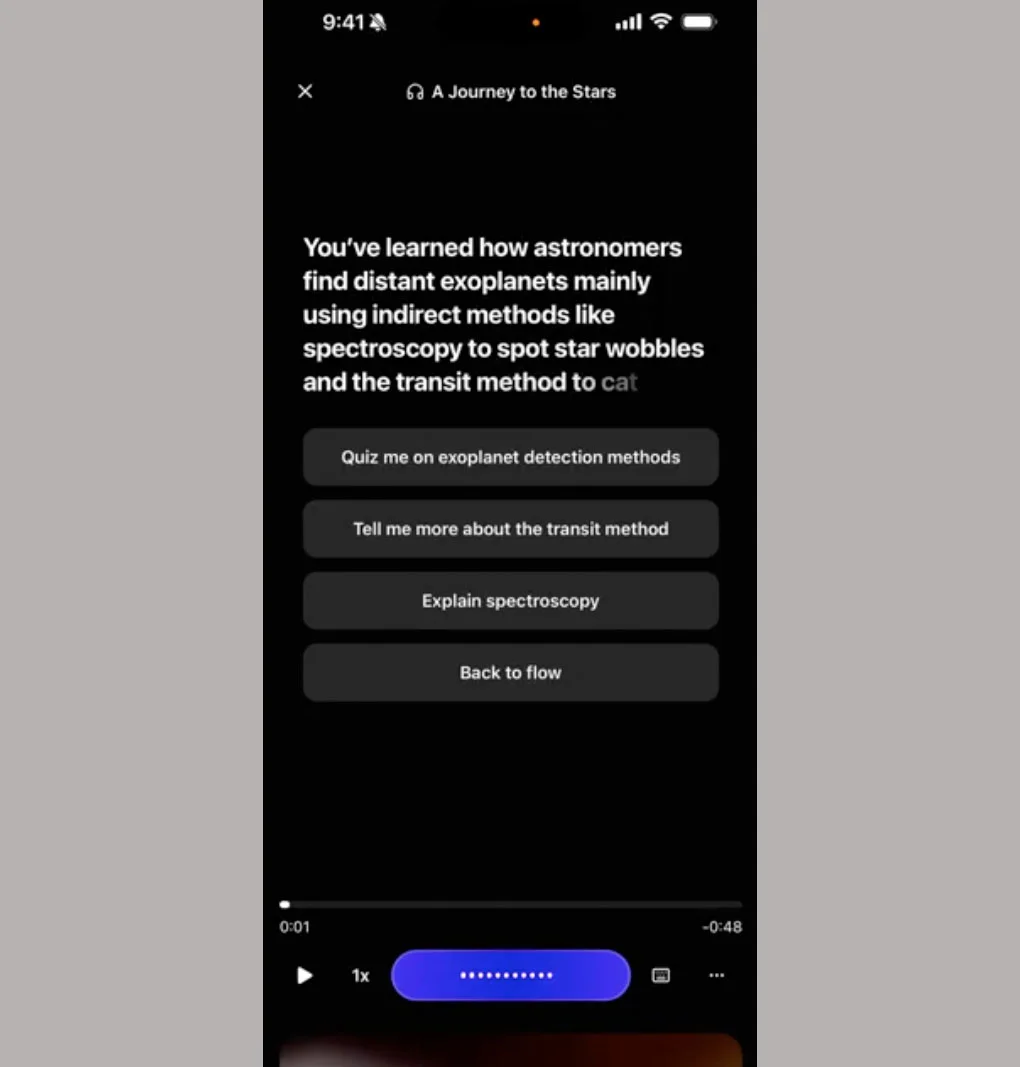
The lessons include short vertical videos, often around 90 seconds long, clipped from Coursera’s extensive library of learning materials. Users can find lessons recommended based on their interests through a front page or a social media-style feed, scrolling down to explore a range of topics or scrolling right to dive deeper into a particular subject. When they come across something interesting, they can watch the video, then take a quick matching or multiple-choice quiz to gauge their understanding. Users can also discuss the material by voice or text with Coursera’s AI.
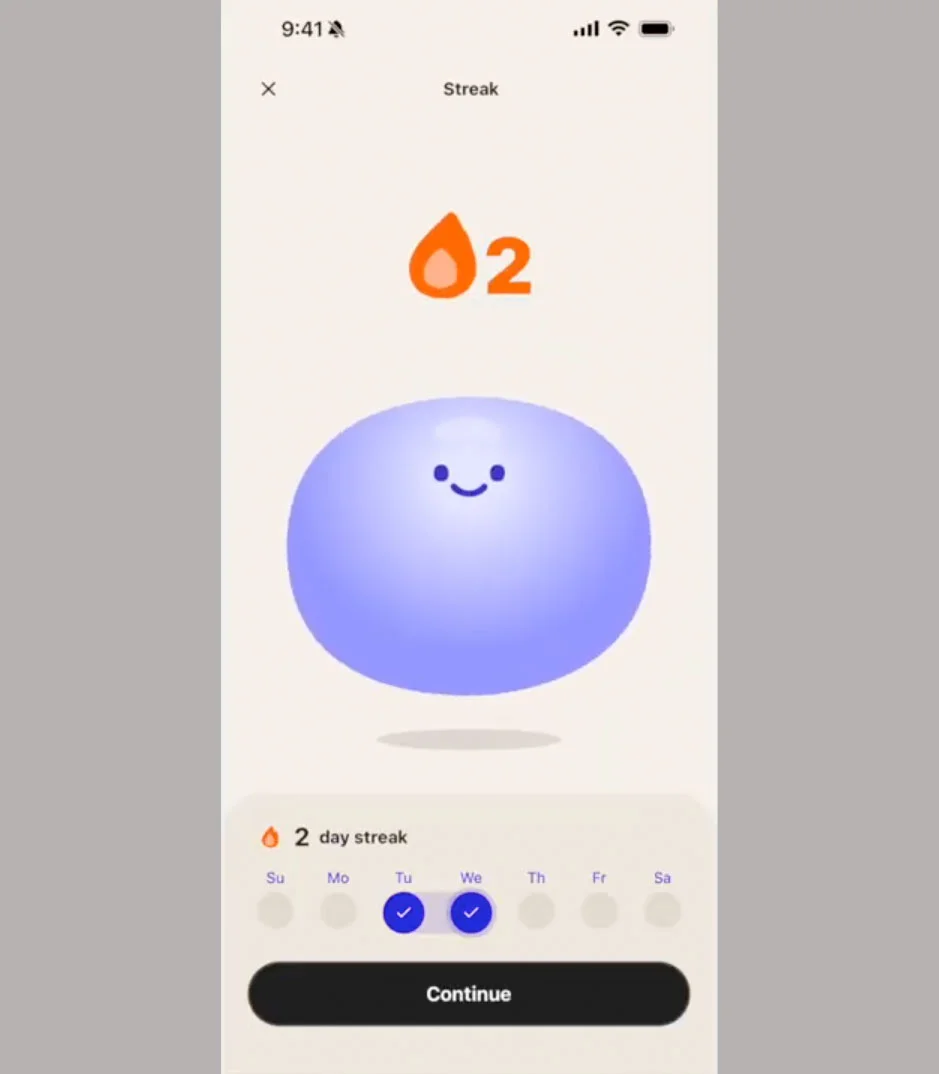
A cartoon mascot also named Ollie presides over the program, playing a role similar to Duolingo’s celebrated owl. Game-like features, including day-by-day streaks, badges, leaderboards, and reward tokens known as beans, are designed to keep users coming back. Once enough beans are collected by completing lessons, they can be cashed in for streak freezes and other rewards, including customizations to Ollie’s appearance.
The program grew out of an effort to reimagine what Coursera could look like in the modern era, says CTO Mustafa Furniturewala. A small AI incubation team based out of Coursera’s Mountain View headquarters developed the experience, which is designed to use AI to customize offerings for individual users. Much of the code was written by Claude Code under the supervision of experienced human engineers, he says.
“Their goal was to build an AI-native learning experience from the ground up,” says Furniturewala.
AI tools also helped locate and cut the lesson snippets from larger course materials. Material from Duke University, Vanderbilt University, AWS, and Microsoft is already available through the program, which is available to subscribers with paid Coursera Plus plans. Some lessons, including ones regularly generated to update users on topics in the news, are even generated by AI, though Furniturewala emphasizes that controls are in place, including human oversight, to make sure the videos are accurate and “pedagogically sound.”
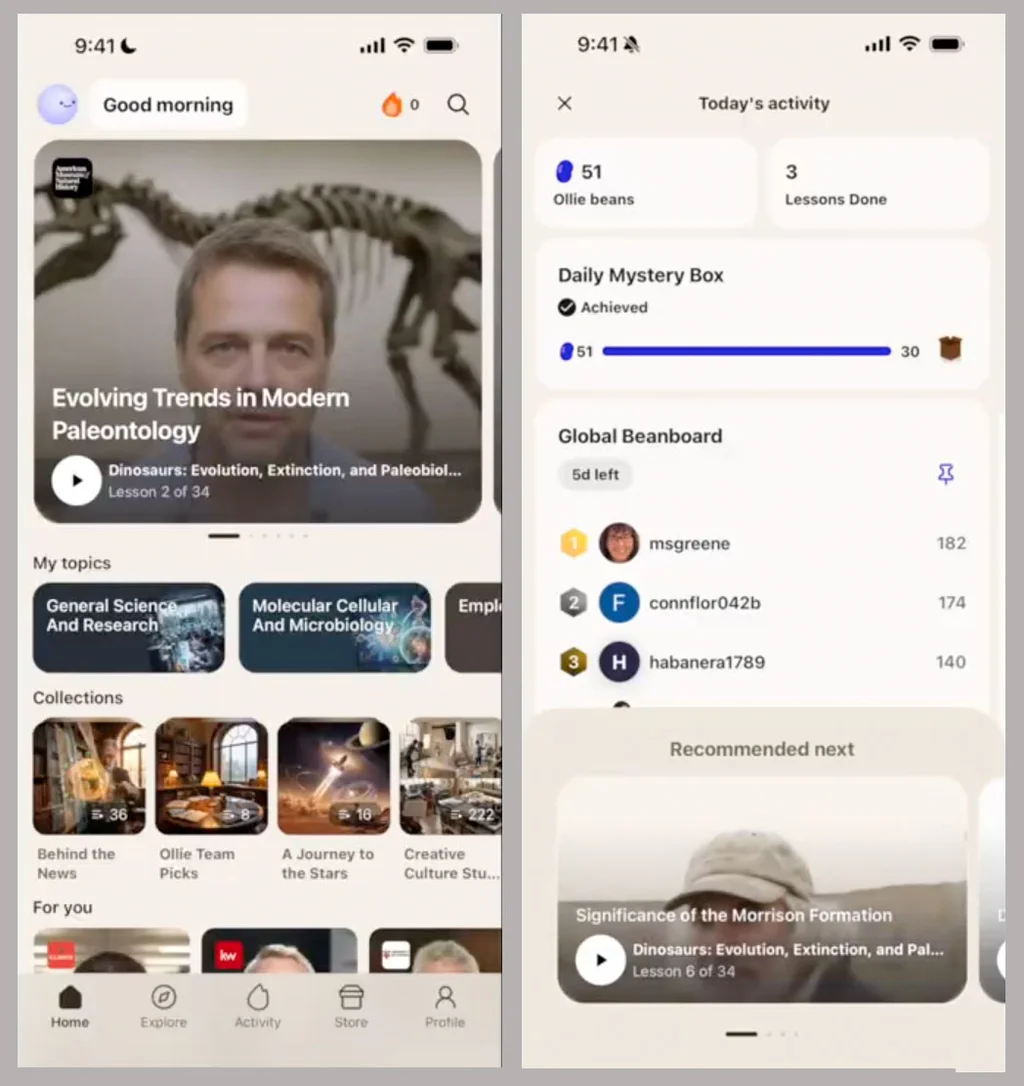
The lessons are designed to be consumed on the go, short enough to watch during a commute or even while waiting in a supermarket line. Furniturewala says he sees the program as a better alternative to scrolling through social media, giving people a tool to study in short increments while incorporating Coursera’s expertise in the science of learning and the results of extensive user testing.
“Instead of doomscrolling through some other apps, if I get engaged with this, it’s actually helping me learn a lot of different topics,” says Furniturewala.
So far, he says, popular topics include subjects already frequently studied through traditional Coursera lessons, including artificial intelligence itself, as well as material about wine, which appears to be more popular in the new, shorter format.
Still, the miniature lessons and AI-crafted content may seem like a far cry from Coursera’s early days, when it was best known for offerings closer to traditional university coursework. That included the ultra-popular machine learning courses taught by Coursera cofounder and AI pioneer Andrew Ng, whose work with Stanford’s massive open online course platform helped lead to Coursera’s creation.
But Coursera, which in May completed a merger with rival education platform Udemy, has always used technology to offer alternatives to the traditional college format. From its early days, it used AI evaluations to test learner understanding and deployed web forums to connect remote students who could not get together in person. Now, the short lecture clips offered through the AI platform link back to full courses where applicable, and Coursera Plus subscribers will still have access to an array of more traditional course material.
“You can always go a lot deeper into any topic that you want,” Furniturewala says.
Naturally, the data-driven company plans to track how the new AI tool affects factors like subscriber retention, he says. And while the app is designed for quick learning experiences, some users have been spending sessions of 30 minutes or more on it. That is still shorter than a traditional college lecture, but gamified features like the daily streaks many users will recognize from Wordle or Duolingo, along with a deep library of content, are designed to keep users coming back and learning a bit each day.
“It is very addictive, but in this case, you feel like it’s addictive for a good reason,” says Furniturewala. “You end up learning and piquing your curiosity quite a bit.”
