

This transcript is taken from a recent interview with Alex Honnold for the Frommer’s Travel Show Podcast.
Alex Honnold is one of the world’s most celebrated climbers. In June 2017, he became the first person ever to ascend the full route of El Capitan in Yosemite National Park without ropes. That daring feat was captured in the Academy Award–winning documentary Free Solo.
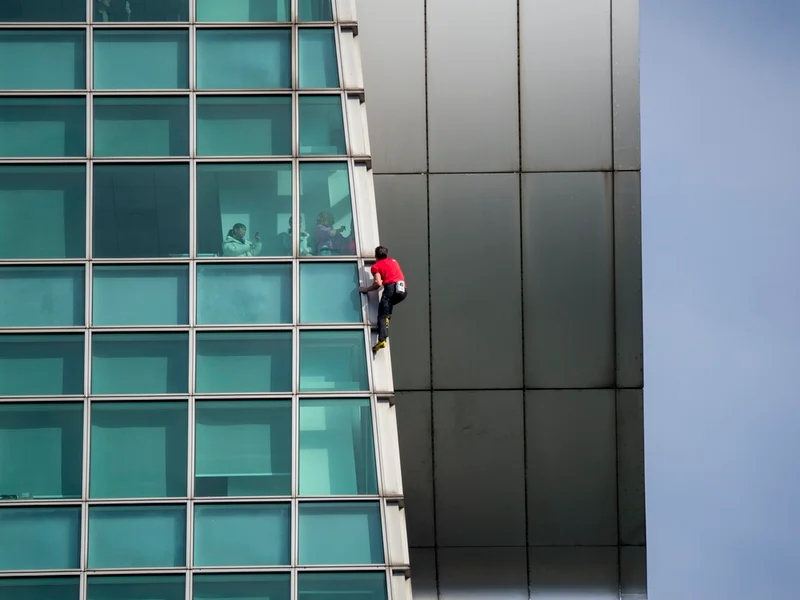
In January 2026, Honnold free-soloed the Taipei 101 tower in Taiwan, the tallest rope-free “buildering” climb in history.
Honnold is now starring in a documentary series for Outside TV called Get a Little Out There with Alex Honnold, which follows him as he explores his home state of Nevada.
The below conversation has been edited for length and clarity.
Pauline Frommer: My daughter is an avid climber, and when I saw that you were doing a series about your home state of Nevada, it all clicked into place. She’s always told me that’s an extraordinary state for climbing.
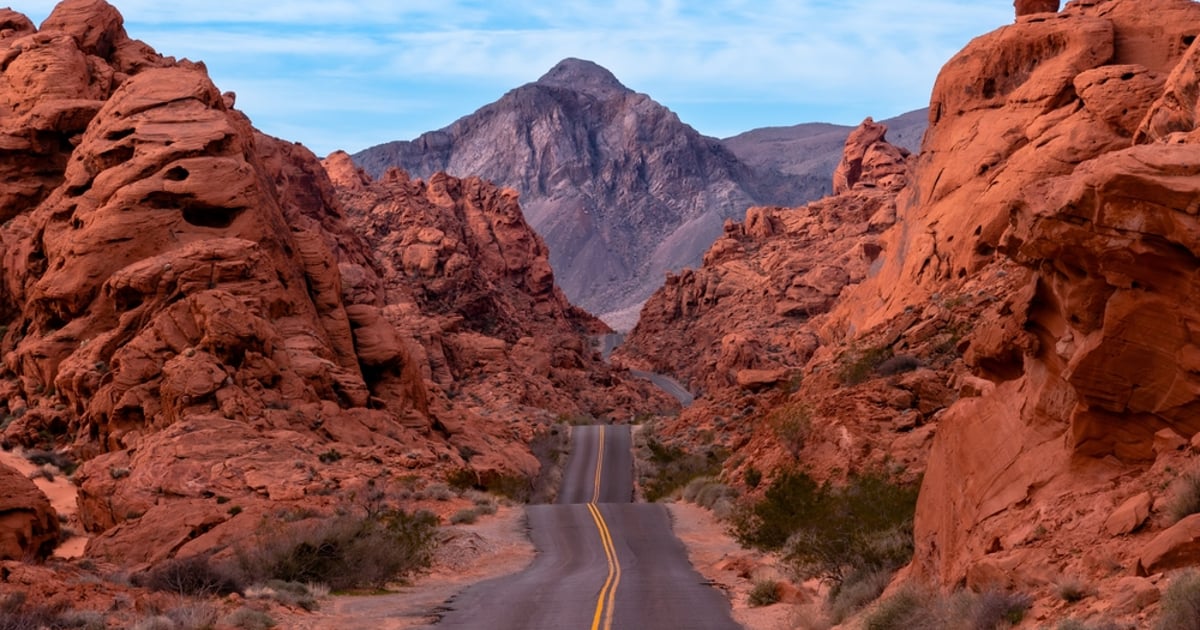
Alex Honnold: I live in Las Vegas, which has the best four-season climbing in the country. There’s incredible climbing access all around. The state of Nevada has mountains everywhere. So there’s rock all over, there’s climbing all over, there’s mountain climbing—it’s incredible.
Frommer: Is it the rock that makes it incredible or is it the community?
Honnold: What makes Nevada such an incredible resource for climbing is that it’s the day in and day out, after work–type climbing access.
‘Cause there are a lot of places in the U.S. that are great climbing destinations, like, say, Yosemite in California. [But they’re] really good for a few months a year, during the main climbing season. Then it’s too hot or too cold or too snowy and it’s not easy to live there full time.
Whereas in Nevada there are a lot of places where you can live in a city and yet still have access to rock and access to nature.
Frommer: So in this new series on Outside TV you go beyond climbing. But do you do any climbing in [the show]?
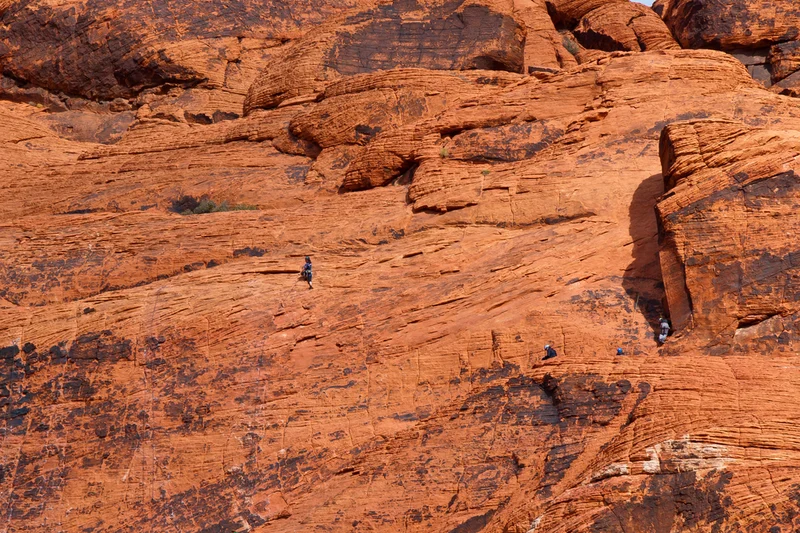
Honnold: I mean, I’m not going to do a travel and adventure show without doing a little bit of climbing. Two of the episodes have full-on rock climbing in them, and then a couple of the other episodes have mountain climbing where we summit peaks.
[The show is about] all things that I wanted to do around the state of Nevada. [Each outdoor adventure] is coupled with cultural experiences. And those are actually the things that I found personally more interesting—which surprised me. I went into [filming] excited about doing adventures in different places, like summiting different peaks and climbing certain walls and, yes, those were all cool. But it was meeting all the people and seeing the towns and learning about the places that really stuck with me more.
Frommer: Let’s talk about the cultural side of the state. What cultural adventure did you have that will surprise people [that it’s] available in Nevada?
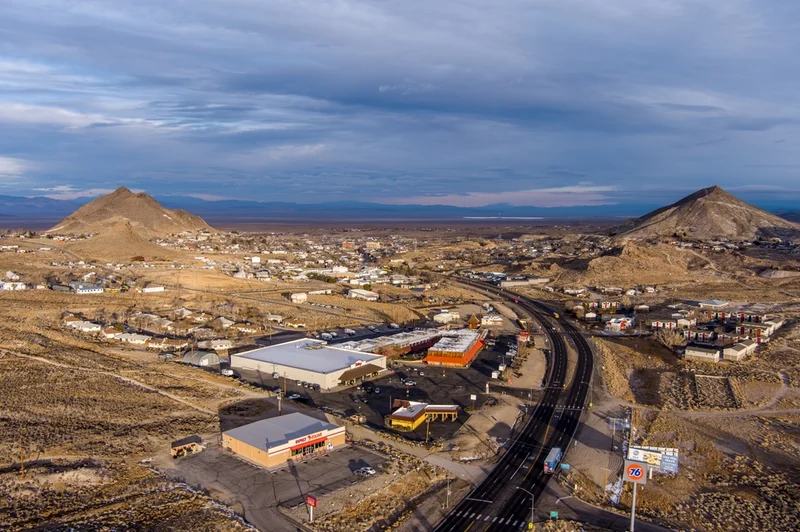
Honnold: That’s an interesting question. I went mining for turquoise outside of Tonopah, Nev., with a man who labeled himself as a “farm-to-table miner.” Basically, he could do the whole operation, from finding to extracting the gems to polishing them and to eventually selling them.
I felt like everyone I met was a real craftsperson or an artisan in some way. They [each had] some kind of particular skill. I mean, you don’t wind up living in the middle of nowhere in Nevada for no reason, you know?
As I toured around rural Nevada, I was like, Oh, everybody has a story. Everybody has an interesting skill set; they have something that has brought them to this place.
I was struck by the farm-to-table miner. To me, it gave a really clear image of basically him driving out into the middle of the desert that looks like nothing—just some mountainside—and then basically blowing it up and then mining it and finding pieces of rock and then polishing them.
While I was with him, I found some chunks of turquoise that, over the course of a couple episodes, I wound up turning into this beautiful silver necklace for my wife.
Frommer: Are these types of rock-hunting adventures open to just average folks?
Honnold: Yeah, you can just go look for turquoise. There are a lot of things like that in Nevada. That’s one of the things I love about Nevada: It’s just so open and wild. If you want to go have an adventure, you want to go do a thing, you just drive out and do the thing. There aren’t that many rules and there aren’t that many people. You get a little out there.
It made me realize that I’ve always thought of mining on a big, industrial scale, like mountaintop removal for coal. I didn’t realize that there were sort of, like, mom-and-pop mining operations that are sort of artisanal.
Frommer: And looking at the previews for the series, I got the feeling that Nevada is as weird as Florida. You have these really fascinating museums and iconic sites, like the Car Forest and the Clown Motel. And then there’s an extraterrestrial museum. Can you tell us a little bit about those?
Honnold: It’s funny you say that—as weird as Florida! The thing is, though, I think that Nevada is weird in a quirky, wholesome way. I think of some other places, like, say, Florida, as kind of weird in an unwholesome way. It’s, like, kind of seedy. Nevada isn’t. I mean, is that fair?
Frommer: I think of Nevada as being the home of Las Vegas, and there’s some pretty seedy parts of Las Vegas.
Honnold: Yeah. It’s funny, because when you live here and you spend all your time doing outdoor recreation . . .
So I live on the edge of town, and it snowed last night, and so the mountains are covered in snow, and it looks like the Rockies—these epic mountains that are covered in snow. So yeah, people think of Las Veas as, like, seedy casinos. But, man, there are jagged mountains all around it with rock climbing everywhere. I mean, the outdoor recreation is incredible.
Frommer: Tell us about the International Car Forest of the Last Church. What is that?
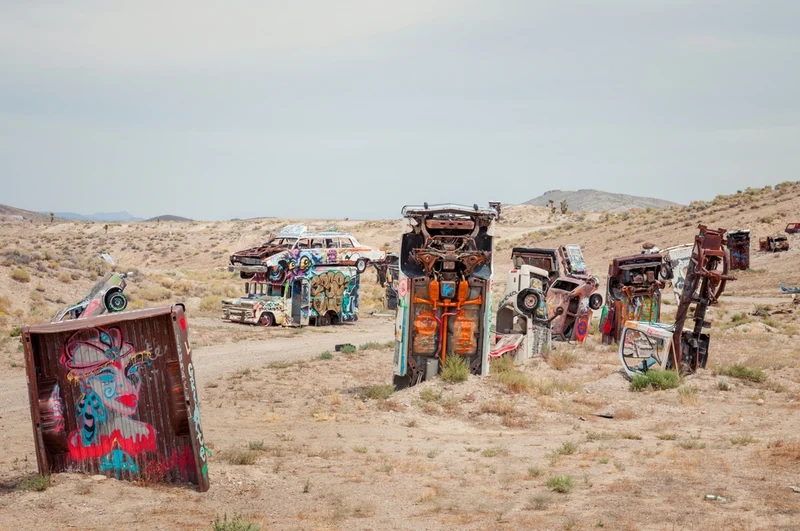
Honnold: It’s a bunch of cars, old cars, basically just speared into the desert.
Frommer: Vertically?
Honnold: Yeah. I climbed [some] just out of principle.
I always thought it was sort of a monument to the cars themselves, but actually the cars are just a canvas for graffiti artists. People can come and just paint or draw or do whatever they want on the cars. So there’s all kinds of intricate art, and then other people just draw over it. It’s basically just like a limitless canvas for anybody who’s interested.
Frommer: So it’s gonna look different every time you go there.
Honnold: Yeah, exactly. The International Car Forest is one of the places that I’d kind of known about my whole life, but never actually stopped in because I was kind of like, That seems weird. And then I visited it, and I was like, You know what? Now that I know what this is, I’m gonna stop here with my family because I think my kids [would love it]. I have two small daughters—they make an appearance in one of the episodes [when] we go rafting together in the Black Canyon below the Hoover Dam.
But with the Car Forest, I was like, I’m going to take my kids here because they’ll just think it’s so cool. It’s so unusual. Where are you ever going to see that?
Frommer: Would [your kids] be allowed to [paint]?
Honnold: Yeah, they’d be allowed to do whatever. The thing with Nevada is, there’s no entrance booth. There’s no line. There’s no people. You literally just drive in and you do whatever you want. If you want to climb on the cars, you climb on the cars. If you want to spray-paint the cars, you spray-paint the cars. There’s no rules around it. That’s kind of what I love about Nevada. It’s like, if you want to have an adventure, you have an adventure.
Frommer: Very cool. You also go to a museum about extraterrestrials [in the series], and I saw a little clip where you say that you don’t believe in them. Do you now, after visiting that museum and meeting the people? Or do you just think they’re all a little wacky?
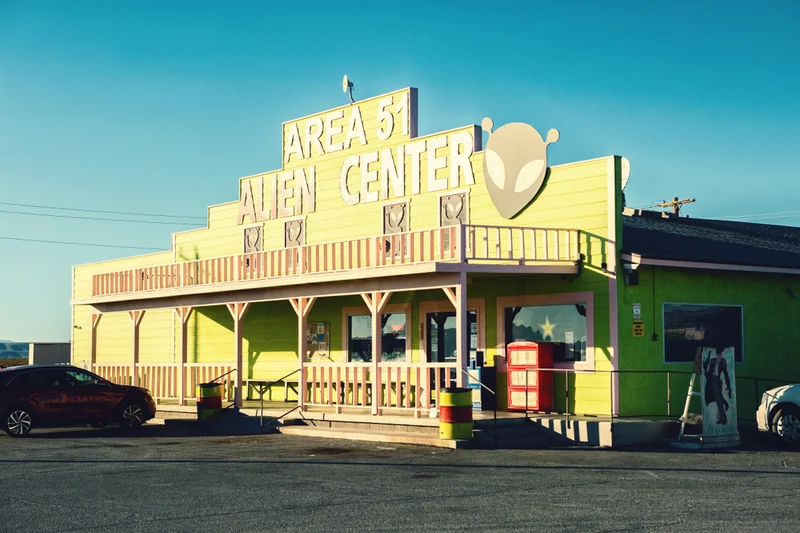
Honnold: No, I definitely don’t personally believe in extraterrestrials the way they’re presented. But I will say that after visiting the museum, it did gave me a better appreciation. Because the museum was organized by species, by type of sightings, and so it’s broken into categories of, like, many people claim to see these types of aliens or this type. And it made more sense of the whole cultural phenomenon of UFO sightings.
I thought it was interesting. And I did learn some stuff.
Frommer: Many years ago, I wrote a guidebook to Las Vegas, and I was really surprised by the quality of the museums there. The National Atomic Testing Museum is one of the best history museums in the United States. So is the Mob Museum. Have you been?
Honnold: No. I’ve heard about it.
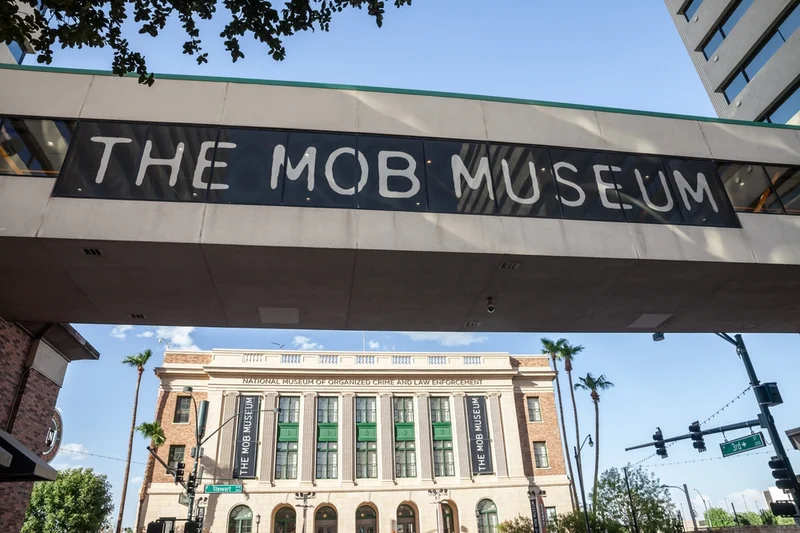
Frommer: It’ll blow your mind. It’ll make you think that everybody’s in the mob. If you look at American history through the lens of the mob, it’s as spooky as the ET museum.
[What about] the Clown Motel—did they make you stay there? That looked a little scary to me.
Honnold: I didn’t stay there. Definitely not scary. I mean, it’s just another thing where you’re like, Oh, it’s so weird, it’s so quirky.
There’s a cemetery next to it. And you’re like, Is this a real cemetery? No, it’s just another superquirky Nevada thing. That’s another thing that I’ve driven past so many times in my life. And then you stop, and it turns out it’s even weirder than expected.
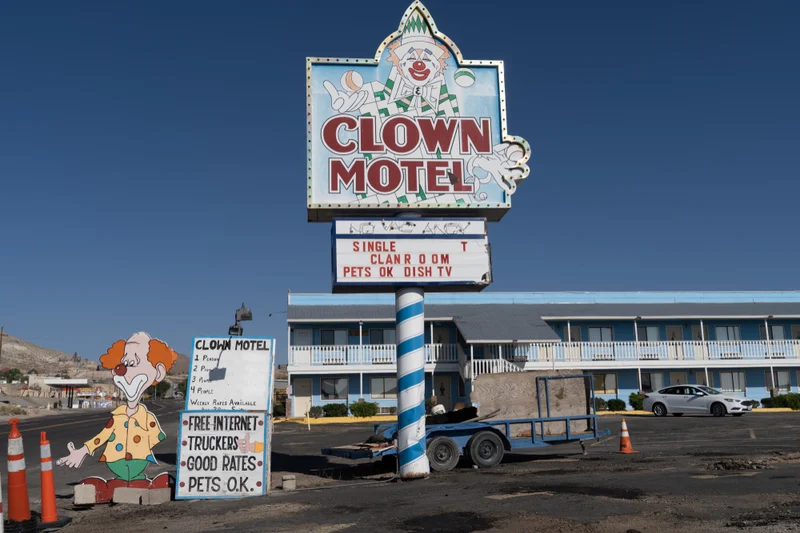
And yet, you know, like, it’s fine. I mean, I was surprised by how many people were there for the Clown Motel. There are big clown aficionados who come from all over the country because they’re into clowns.
Frommer: Wow. Do people dress like clowns to stay there?
Honnold: I didn’t see any, thankfully.
In some ways, though, it feels like some folks have just embraced whatever the sort of fringe thing is, because you’ve got to differentiate somehow. You know what I mean? Like, if you just have a little motel in the middle of nowhere on this desolate highway, you’re kind of like, Oh, you might as well make it a thing and draw people in.
Some of these towns have definitely done a good job of using what they have [to make themselves] more interesting.
Frommer: Speaking of these little towns, some of them are the sites of pretty fascinating history, and sometimes you can see that. Did you cover the history of Nevada in the show?
Honnold: Yeah, a little bit. [Remember] the International Car Forest? That’s in the town of Goldfield. And Goldfield currently has a population [of roughly] 250, but at one time it was the biggest town in Nevada. It was booming. It was a gold field [with] giant mining claims.
Back in the day, Las Vegas was just a train station with a sign that said, “Welcome to Las Vegas, the Gateway to Goldfield.” People just stopped in Vegas to get off the train to go to Goldfield because Goldfield was the place to be. Now you go to Goldfield and you see a couple burrows, you see a saloon.
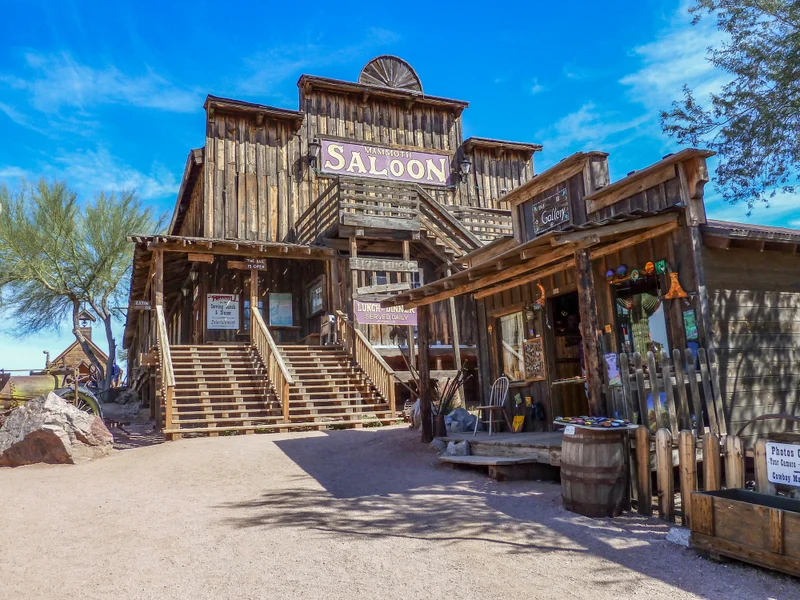
So we covered that history a little bit, just because it’s such an interesting aspect of the [state].
Frommer: Did you do any cowboy stuff?
Honnold: We did some cowboy poetry in Elko. Covered cowboy culture a little bit.
Frommer: Cowboy poetry? I don’t know what that is. Is it all [set] to the rhythm of clopping horses?
Honnold: No, no, it’s more like spoken word poetry with a Western motif.
Frommer: That’s very cool.
Honnold: We had a fellow with us who is a Western poet. I learned a bit about it, and [thought it was] cool. It’s just fun to learn about all these new things.
[The show] definitely has made me much more interested in visiting these off-the-beaten-path kind of places—the rural highways and small towns. You just see what rich culture there is in these towns.
Frommer: You said you had a lot of outdoor adventures that weren’t climbing. Did any of them get you out of your comfort zone? You seem like a person who doesn’t get scared easily. Did any of them raise your heart rate?
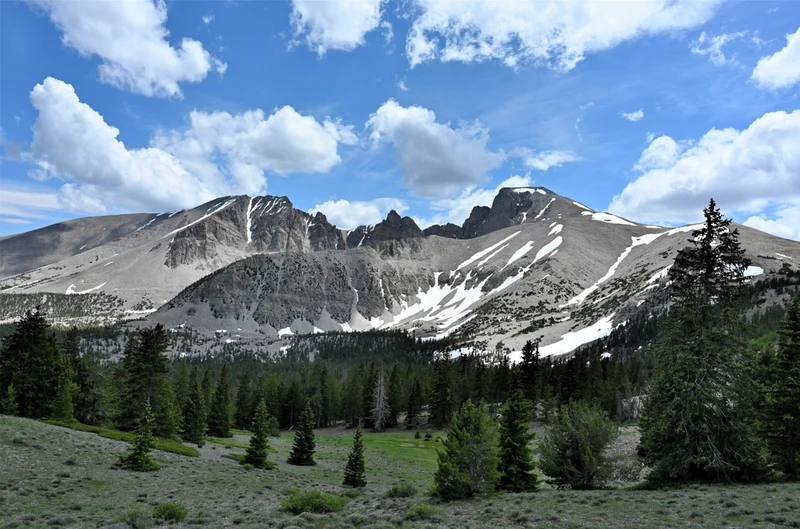
Honnold: Actually, they all, in their own ways, wound up being a little more adventurous than we expected.
We filmed the show in the fall, and as it turns out, it was kind of shoulder season. So two of the mountains that we climbed wound up being quite snowy and very windy.
One of them I climbed with a longtime friend and climbing partner of mine who I’d been on an expedition to Antarctica with in the past. The two of us had climbed first ascents in Antarctica together.
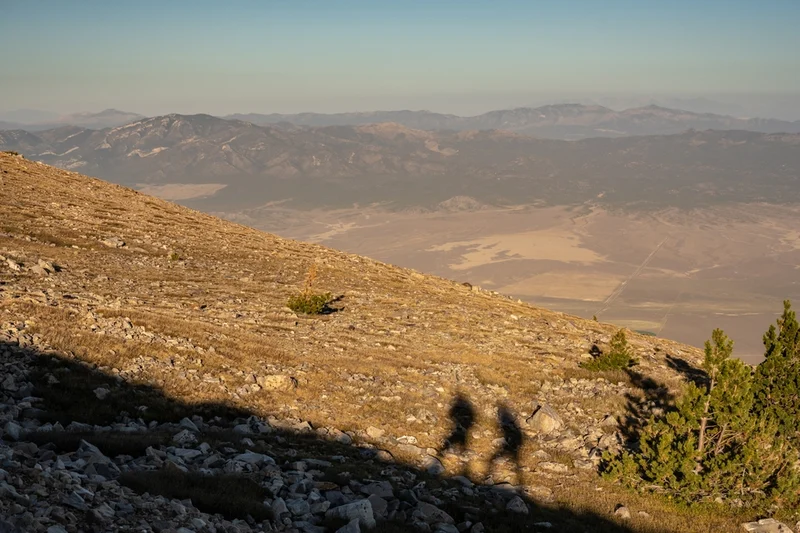
[In Nevada] we were climbing this peak in Great Basin National Park, and it was like ripping wind, freezing cold, snowing. And we were like, This doesn’t feel that different than going mountain climbing in Antarctica!
I mean, it wasn’t that cold, but it definitely felt pretty full on. We were like, Wow, this is real.
And I think that was a recurring theme throughout the series for me: that you just go out and climb these mountains, do these things, and you’re like, You know, it’s kind of more adventurous than we expected.
