

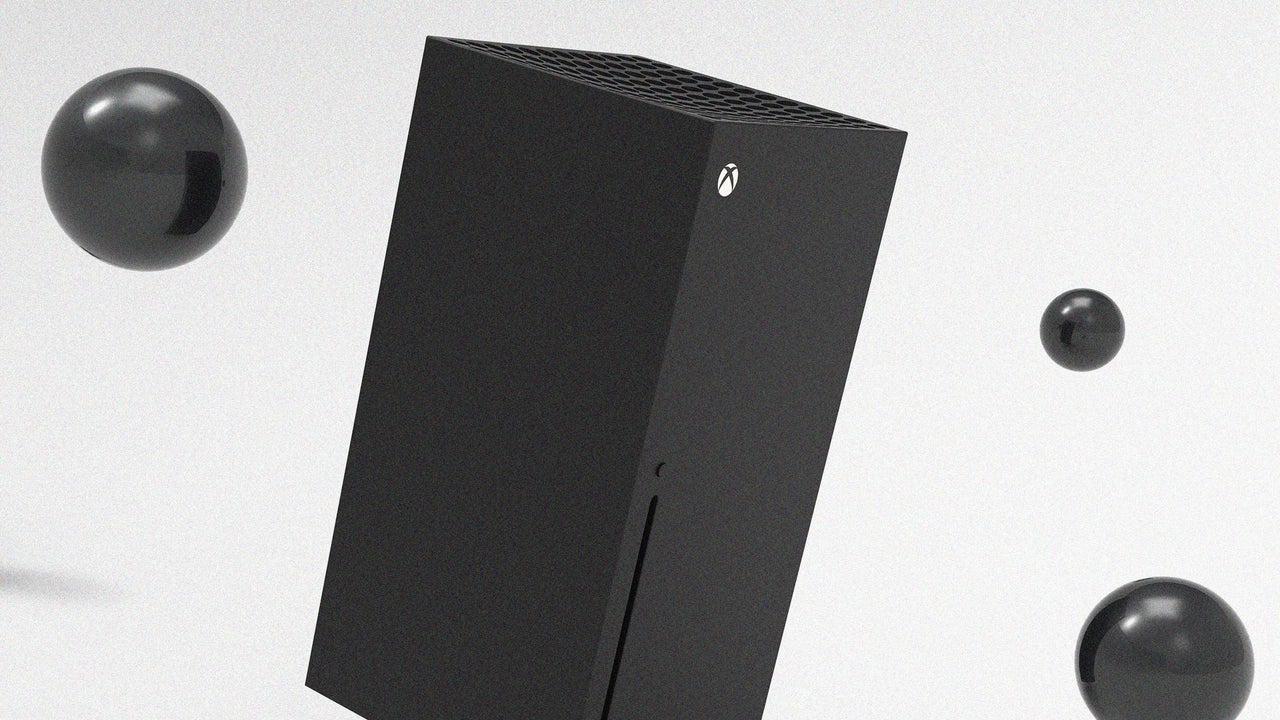
Microsoft is reportedly considering a spinoff or restructuring of its Xbox gaming unit, as the division’s bets on subscriptions and cloud gaming have come up short and console sales have continued to decline. Sales of Xbox hardware were down 33% year over year, the company reported in its most recent earnings.
That’s a long way from the unit’s heyday. Xbox launched in 2001 and came close to outselling Sony during the Xbox 360 era. Sony regained dominance in the last console generation and has extended its lead in the current one. Microsoft, meanwhile, has leaned heavily into cloud gaming in recent years, but saw a major subscriber drop after a 2025 price increase.
Microsoft did not reply to a request for comment on the spinoff reports. However, Asha Sharma, who took charge as CEO of Xbox in February, and Chief Content Officer Matt Booty recently posted a note to staff that acknowledged the troubles at Xbox. They didn’t hold back.
“Excluding Activision Blizzard King, over the past five years, we have spent over $20 billion on ongoing investments in our content, platform, and hardware subsidy, but our annual revenue has declined nearly half a billion during that time,” the execs wrote. “Going forward, this cannot continue.”
The glory days of Microsoft’s Xbox unit are far behind it, and that has the company exploring new directions. The question is whether Xbox can become a significant player in the video game console space again, or whether players have relegated it to nostalgia.
Rising costs
Microsoft famously went on a spending spree a few years ago, buying major publishers including Bethesda and Activision. In the note, Sharma and Booty acknowledged that Xbox cannot support them all.
The soaring price of computer memory was also acknowledged as a barrier for sales of both current consoles and the in-development next generation system (codenamed Project Helix). Component prices have increased five-fold since 2024.
“We are currently unable to make as many consoles as players want to buy, and we need a new business model and partnerships for hardware as we remain committed to Helix,” they wrote.
(Sony and Nintendo have both also been affected by rising memory prices, increasing the cost of their game systems, but they have fewer in-house game development studios, which helps them control costs.)
About that next generation, the Xbox leaders painted a grim picture about the company’s ability to compete, writing “Our current platform infrastructure is not built for the battle ahead. Our systems are overly complex, spanning hundreds of dependencies, which hinders our ability to move fast. … We must increase the value we ship to players while decreasing the time it takes to do so.”
Console companies often subsidize the sale of new consoles, making up that loss on software sales. However, the amount that component prices have increased could make that approach challenging if Microsoft hopes to sell Helix at a price anywhere close to the neighborhood of today’s game systems.
“We view the Xbox memo as a clear sign that the memory/NAND shortage is rewriting consumer hardware economics (not just trimming margins),” Wedbush analysts Matt Bryson and Antoince Legault wrote in an investor note
What would a spinoff mean?
Microsoft’s primary interest these days is AI—and it’s hard to blame the company, given the market interest in that sector. While it has said it “will recommit to our core Xbox fans and players,” it has not gone into many details on specifics.
The option of simply selling the Xbox division wholesale might be appealing to Microsoft, but finding a buyer without taking a substantial loss would be challenging. Buying Activision alone cost Microsoft $75.4 billion. And the R&D costs for both games (creating a AAA title costs $200 million or more) and new hardware are stratospheric.
That lends some credence to the spinoff talk. Such a move would let Microsoft write off spending on major franchises such as Halo, Fallout, and The Elder Scrolls, which are expected to be the torchbearers for Xbox moving forward. It would also boost revenue for Microsoft’s cloud unit, as Xbox continues to run its Game Pass service.
For investors, a spinoff would create a rare opportunity to own part of the video game industry, something increasingly scarce given recent consolidation and the sector’s financial hurdles. Electronic Arts, for instance, is about to be acquired by a group led by Saudi Arabia’s Public Investment Fund, while Ubisoft has had little luck righting its own ship.
“In our view, the shrinking market of publicly traded video games companies would provide investors with a welcome opportunity for a large-scale industry player,” wrote Eric Handler at Roth in a note to investors.
A big bet
But whether Xbox could survive as an independent company, given its declining user base, is a real question—and one that does not currently have a clear answer. Sharma, to her credit, has acknowledged the business is “not in a healthy spot” and has said things cannot continue as they have. She has already lowered Game Pass prices to attract new subscribers and ended “day-one” releases for future Call of Duty titles on the service, which could boost software sales.
A new round of layoffs are also expected at the division in the next month, reports Bloomberg.
Sharma has unveiled plans to make flagship games exclusive to Xbox once again, reportedly pausing some high-profile PlayStation ports. Reigniting the console wars of the last generation could get people excited about Xbox, but it will cost the unit money in the short term (at the very least) given how dominant the PlayStation 5 installed customer base is.
Should Microsoft move ahead with plans to spin off the unit, a battle over exclusives could become an all-or-nothing bet. Win, and the Xbox console will be relevant to gamers once more. Lose, and it could mark the end of the road for the company’s console hardware ambitions.
