


- Fieldbar is the category leader for cooler boxes at the world’s most famous luxury store: Harrods in London.
- But in the early days, people in the industry laughed at the original prototype for “not being how cooler boxes are made”.
- Its early customers, however, loved it for that very reason. And it all started with a LinkedIn exchange between strangers, building their first batch in a house in Cape Town that would sell out on day one.
- This is the third story in our series SA Success Stories: Origin stories of successful SA businesses, NGOs, and individuals.
Lee Hartman had been looking at cooler boxes for 15 years and always wondered why they were made the way they were.
Hard, rugged or cheap … and if they weren’t cheap, they were too expensive. They usually weren’t pretty either.
Having just sold his first business to Telkom, Hartman had some capital to invest in a new idea he knew would centre on premium outdoor products.
He didn’t know what they would land on, but he had an idea and knew he needed a partner and a designer.
“I did a LinkedIn search, and I found Corban,” he recalled with a laugh. “We didn’t know each other. He was making a name for himself and had just completed the Elgin Railway Market, and from the first day, we just got on straightaway.”
It was January 2018, and Corban Warrington was a 23-year-old young industrial designer wrapping up his first big project when a LinkedIn message landed in his inbox from a stranger.
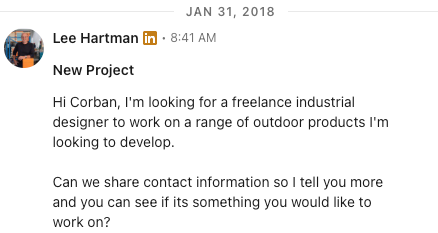
The LinkedIn message, in January 2018, that would lead to the birth of Fieldbar’s wildly successful handcrafted cooler box.
“It was quite serendipitous at that exact time,” Warrington recalled. “You’re young, you’re naive, the sky’s the limit, and Lee pitched the idea to me, and I thought it sounded epic. It piqued my brain; it was interesting.”
It was interesting because Warrington immediately started Googling the concept of a luxury cooler box, and the results excited him.
“There was nothing out there that’s premium. People spend so much money on their drinks or what they wear, but when we started looking at cooler boxes, they were all just cheap, and if they weren’t cheap, they were rugged and designed for trucks to drive over. That challenge just ignited both of our sparks.”
‘That’s not how cooler boxes are made’
Their first idea was bold and elicited a laugh from both of them: a beautiful cooler box, manually manufactured and made from almost 60 different parts.
“It was going to have a drop-down front, and glasses and a lot of gizmos,” Hartman said giddily. “A one-stop shop,” Warrington added, remembering those early ideas that included everything and the kitchen sink.
But they kept circling around a singular concept: how could they make a cooler box cool?
“I think we spent almost two years from concept development to getting to a point where it was actually manufacturing-ready, while working on a lot of other stuff at the time,” said Warrington.
“We had to show a lot of tenacity in the beginning. We took this around and asked, ‘how do we get this made?’ and a lot of people told us this couldn’t be done, and ‘that’s not how you make a cooler box’. And we just had to keep pushing through all of those nos. Why couldn’t it be like this? It took a long time and a lot of perseverance,” said Hartman.
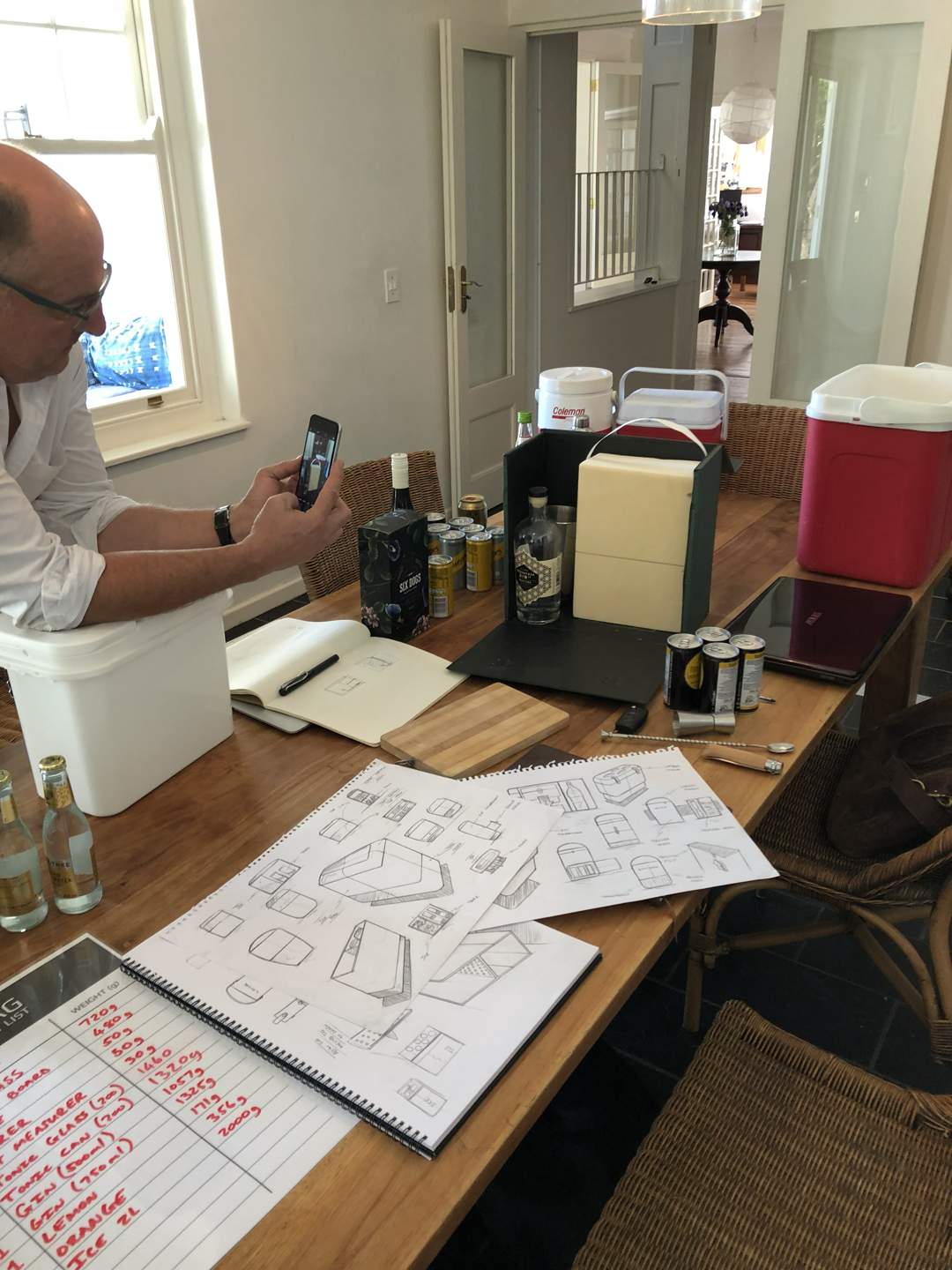
The early Fieldbar prototypes were the result of a two-year concept-development process.
Supplied/Corban Warrington
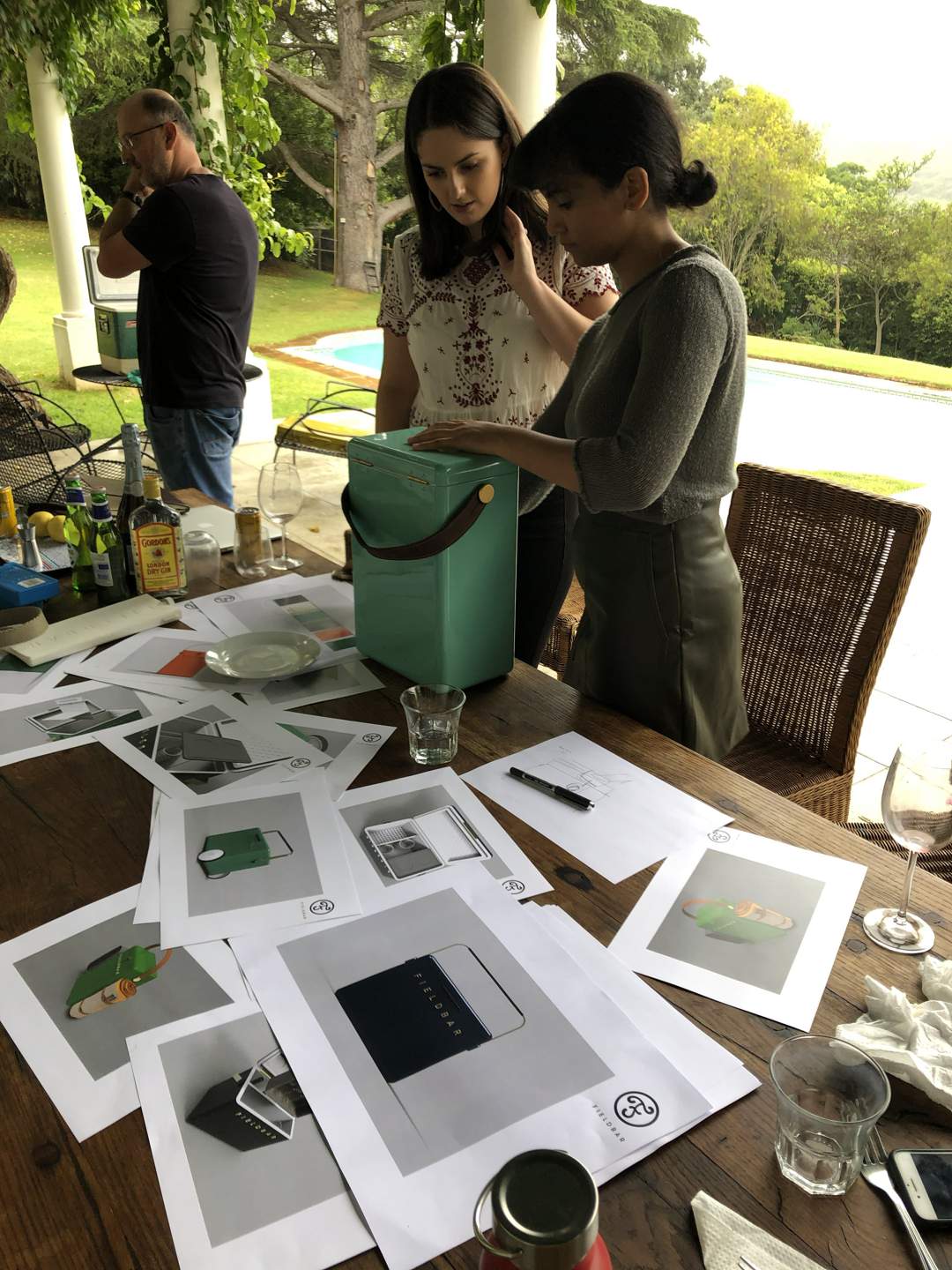
The early Fieldbar prototypes were the result of a two-year concept-development process.
Supplied/Corban Warrington
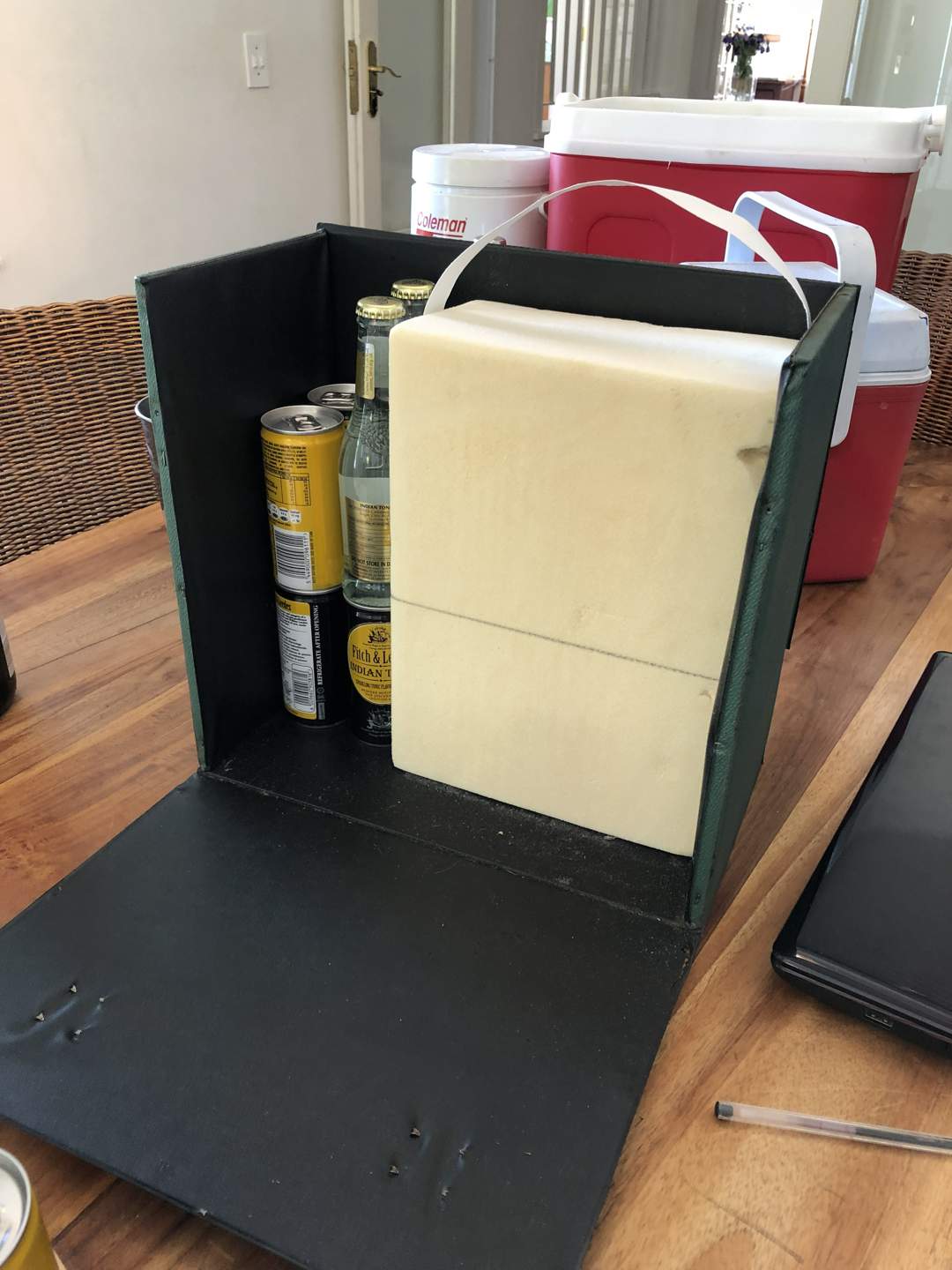
The early Fieldbar prototypes were the result of a two-year concept-development process.
Supplied/Corban Warrington
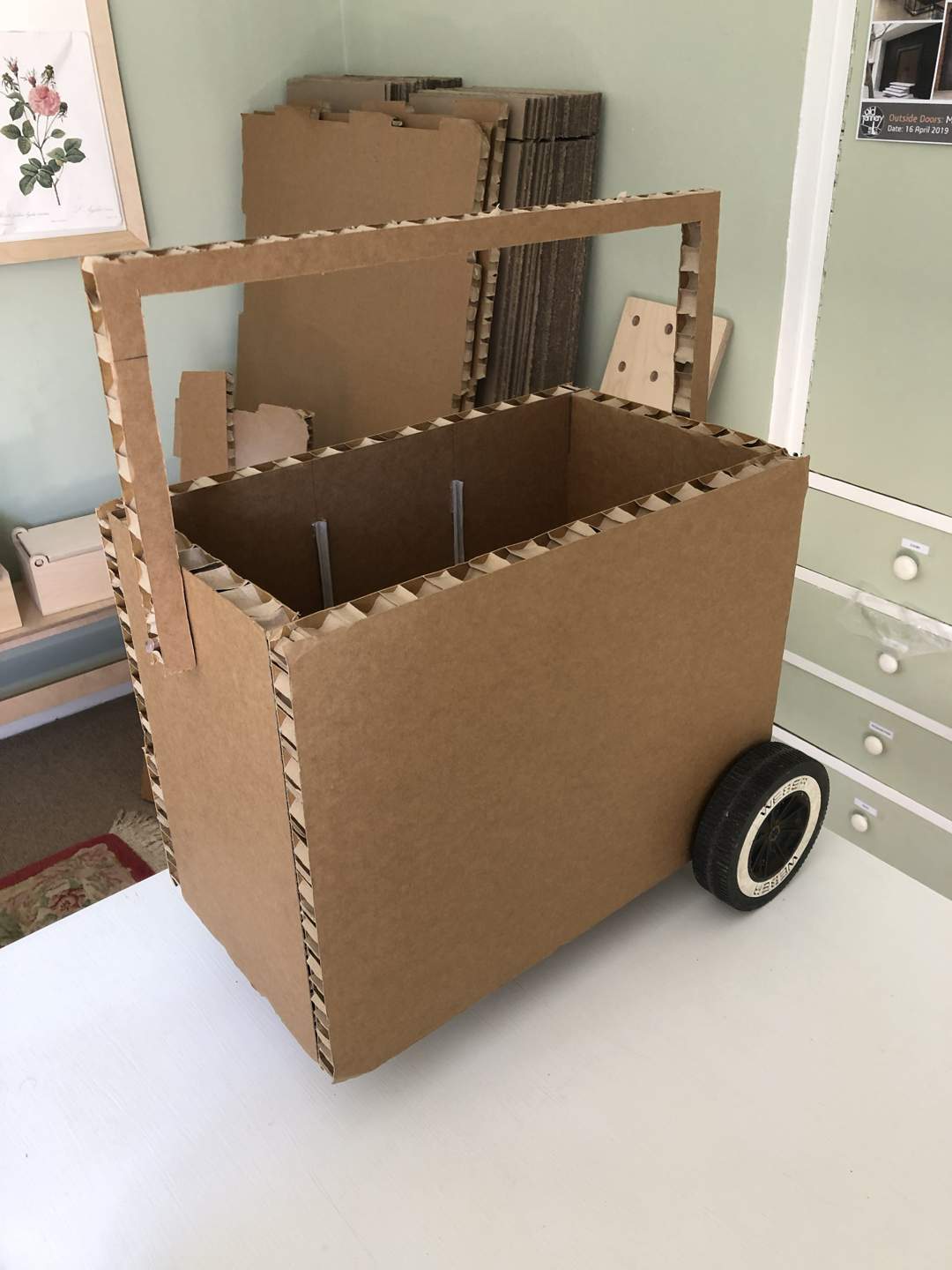
The early Fieldbar prototypes were the result of a two-year concept-development process.
Supplied/Corban Warrington
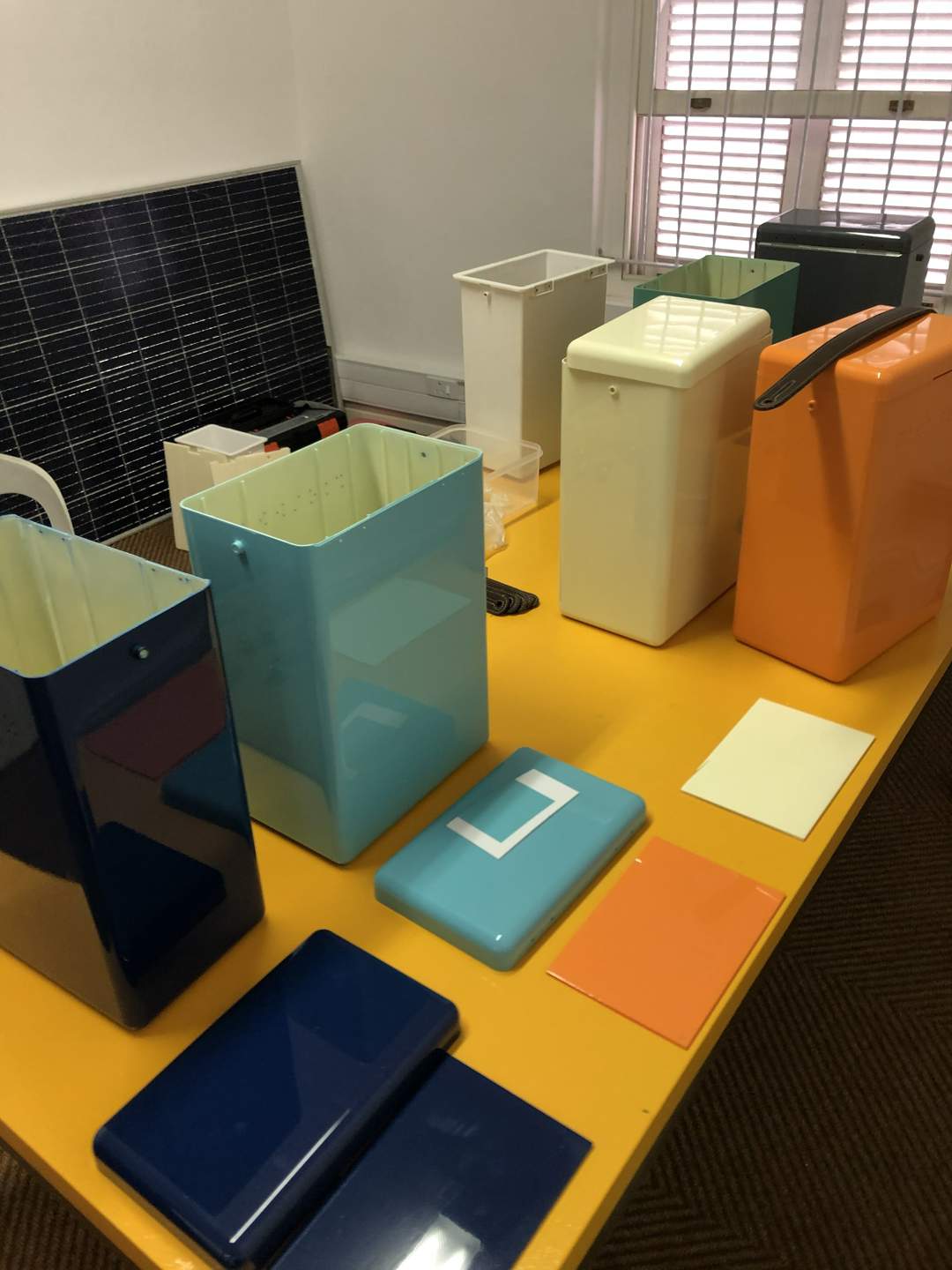
The early Fieldbar prototypes were the result of a two-year concept-development process.
Supplied/Corban Warrington
Today, Fieldbar makes 150 000 cooler boxes a year. It is a category leader at the most famous luxury store in the world: Harrods in London.
The brand employs 180 people and was just named News24 Business’ fastest-growing company this year in April, growing 1 600% with revenues of R134 million in 2024.
And it all started with a LinkedIn exchange between strangers, incubating an idea in a small house in Observatory, and building their first batch that would sell out on day one.
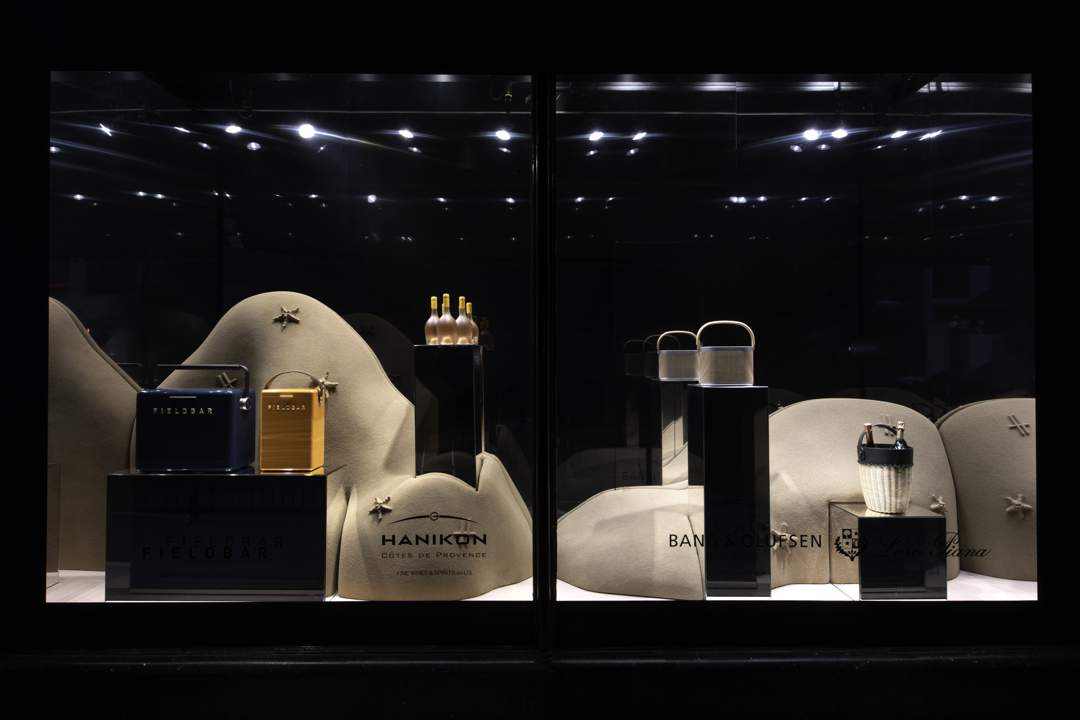
Fieldbar products on display in Harrods in London.
Assembling in a small house
The plan was not to take over the cooler box industry. Rather, their ideas grew quite organically in the early phase, and the aim was to make something that performed.
The design was everything: a unique shape, innovative latchless locking, keeping hot air out through gaskets – all of it had to work in order to be sold as premium.
From the outside, it needed to be beautiful, appealing, desirable and nostalgic.
“We got two very expensive high-fidelity 3D prints made. Everyone was going around and showing it just to get buy-in,” said Warrington, adding that they had to do their best to ensure their 3D cooler box prints didn’t ironically warp in the sun.
“But once people got it in their hands, you could see their eyes light up. They just loved it. You can look at a sketch, but once they could feel it, we knew, it was full steam ahead.”
The founders then brought in some angel investors, Mike Minkley, Scott Hindmarch, and Phil Lambrecht, all of whom still sit on the board today.
And so, in a small house in Observatory, Cape Town, during lockdown in 2021, five people went to work assembling the first Fieldbars ahead of the launch. All parts were hand-assembled and hand-painted, and 240 were made in total.
Coming up with a name
They then had to come up with a name, and Hartman kept coming back to an old safari term.
“We looked at the luxury stories coming out of Africa. One of them is the safari experience, which pioneered the elegant outdoor experience, which is why we [SA] would be good at making elegant outdoor products.
“There was this product called a Fieldbar that was made out of wood. You would put it on a stand and put your drinks on it.”
They searched, and the domain name was owned but not in use. They also got the social media handles. They had found their name, had made their first 240 products, and were then ready for the launch in November 2021.
“The website went live at 23:00 at night, and I logged on at 07:00, and it was all sold out,” recalled Hartman.
“We set up an Instagram account and a website taking email addresses, so they were waiting for it to go live. There were a couple of thousand on that waiting list, and those who didn’t get one were grumpy and said they wanted more.”
‘Don’t date a guy without a Fieldbar’
From there, they knew it was time to scale just to meet the demand of those early customers. Invenfin also came on board as an early investor. Production increased, a new factory was leased, and a big turning point came when they were listed on Yuppiechef.
Once the product hit the market, they would see spikes in certain regions. They chalked this down to people taking a Fieldbar to their social gatherings, and word of mouth helped spread a naturally social and aesthetic product.
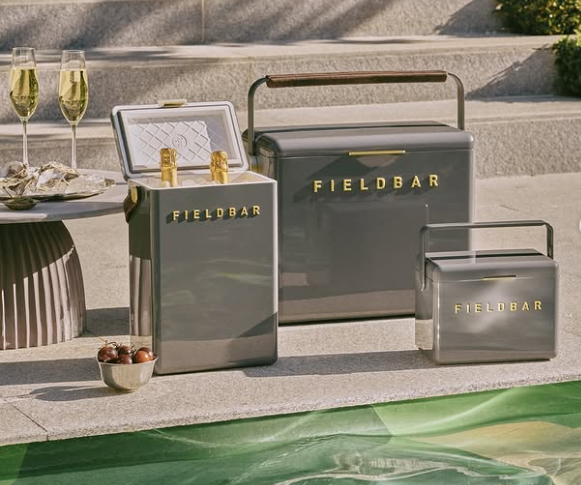
Fieldbars on display ‘out in the wild’.
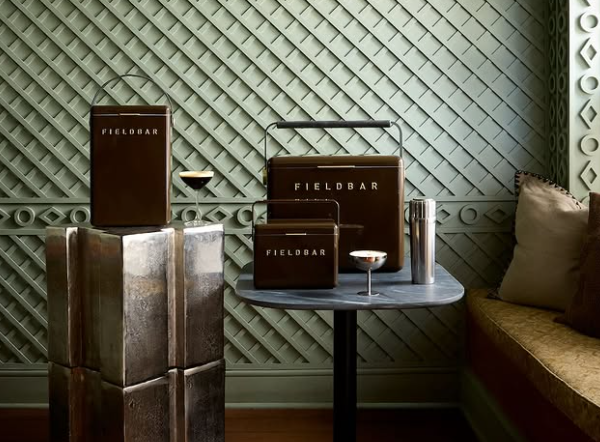
Fieldbars on display ‘out in the wild’.
And they knew it had landed when a Fieldbar fan club was created on Facebook, which today stands at over 20 000 members.
“It’s become a bit of a meme among our customers. ‘Don’t date a guy without a Fieldbar’ is one that originated on Twitter,” laughed Hartman.
Harrods, the US and ‘sun glasses’
Fieldbar today has 5 000 square metres in Montague Gardens, in its fourth factory in five years. Stock goes to Harrods in the UK and, soon, Williams-Sonoma in the US. The product is a hit equally with the international market, especially when they learn it’s all made in Cape Town.
“That was important to Harrods. We went to a trade show in Paris, and they kept asking how it was made. Those stories are so important to international buyers.
“And it’s doing incredibly well there. They look for hero products in each of their categories, and we’re the hero category for their cooler boxes.”
Going forward, the brand wants to continue its mission of bringing elegance to the outdoors, and expanding to other lifestyle products, such as outdoor drinkware called “sun glasses” and an innovative, “soft” cooler bag.
Lessons: Taking the hard route and the time to observe
So, having walked down memory lane and through eight years of organic growth, what have the two entrepreneurs, who once did not know each other, learn from their experience?
“We took the hard route,” reflected Warrington. “We were able to achieve a product because we invested in some unique processes over two years. Every single part is designed and manufactured; not one item is off the shelf. We took the long route, and now we’re seeing the rewards, and this is how we stay ahead.”
Hartman’s advice is to observe.
“If you can look at a product that a lot of people own but don’t love, that’s always an opportunity. We were forced to have a long pre-launch period [during Covid-19], and that allowed us to do a lot of thinking.
“That thinking paid off almost immediately, but if I had to go back and do other businesses, I would also take time before launch.”
This is the third story in our series SA Success Stories: Origin stories of successful SA businesses, NGOs, and individuals. Visit our special site here.
