

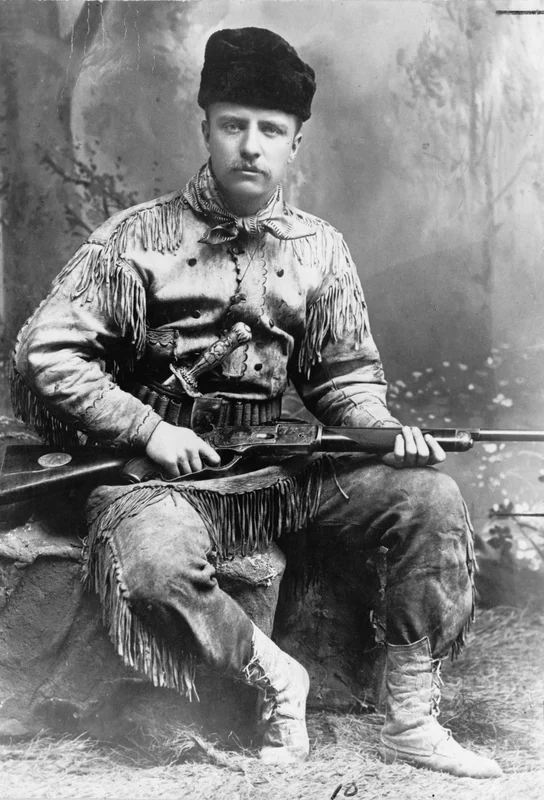
Though Theodore Roosevelt was a New Yorker, the Dakota Territory had a huge influence on the 26th president. His stint in the 1880s as a cattle rancher in what would soon become North Dakota helped shape everything from his hale-and-hearty mythology to his genuine commitment to ecological conservation.
That explains why Theodore Roosevelt National Park is in North Dakota and why the brand-new Theodore Roosevelt Presidential Library will open near the park on July 4.
Like the freshly opened Obama Presidential Center in Chicago, the facility dedicated to Theodore Roosevelt is backed by an independent nonprofit and therefore won’t join the ranks of official presidential libraries operated by the federal National Archives and Records Administration.
What to expect at the new Theodore Roosevelt Presidential Library
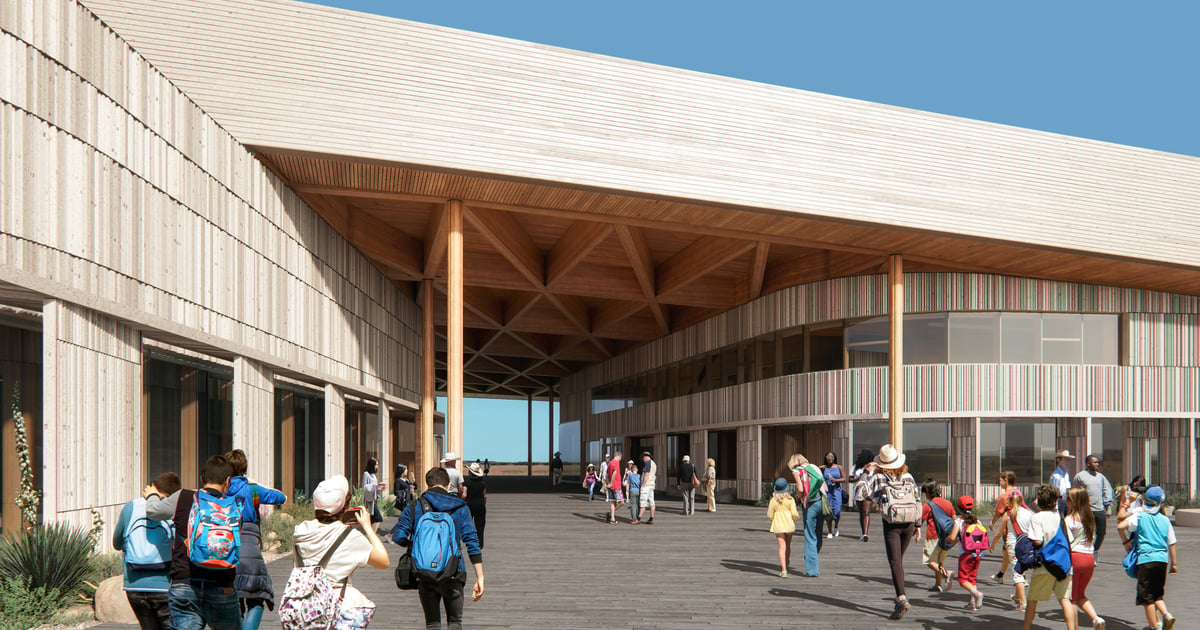
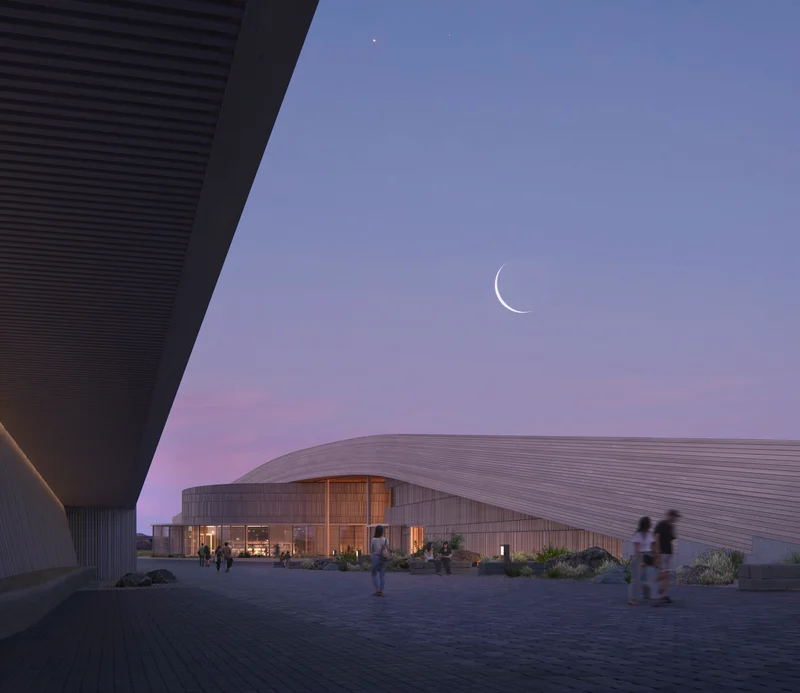
Located in Medora—a gateway town to the national park—the new museum was designed by the Norwegian architectural firm Snøhetta with a strong focus on sustainability and creating a structure that harmonizes with the surrounding Badlands.
Inside, “narrative galleries” take visitors through Roosevelt’s life chronologically with the aid of letters, diaries, photos, and audiovisual elements relating to the president’s childhood, eventful travels, military exploits, family life, and political career.
There are also interactive “experience galleries” designed to immerse museumgoers in environments connected to the places, events, and themes that shaped Roosevelt, such as a forest scene that reimagines his boyhood natural specimen collection, a re-creation of the Elkhorn Ranch where he kept cattle not far from here, and an evocation of his star-making role in the 1898 Cuba campaign during the Spanish-American War.
Outdoors, an elevated boardwalk extends for more than a half-mile into the Badlands landscape and connects to the museum’s green rooftop, planted with native species and blessed with wraparound views of the surrounding prairie.
The eco-friendly design jibes with its subject’s dedication to preserving nature; while president, Roosevelt placed 230 million acres under federal protection.
One of the new museum’s powerful cheerleaders, Secretary of the Interior Doug Burgum (a former governor of North Dakota), has proven considerably less committed to that cause.
In his current job, Burgum “has supported every stage of Trump’s second administration, which has rescinded many long-standing federal land stewardship policies while dramatically ramping up lease sales to extractive industries,” reports Re:Public, an independent newsroom focused on U.S. public lands.
Shannon Straight, executive director of the nonprofit Badlands Conservation Alliance, told the outlet, “It’s really ironic that Doug Burgum has been pushing for this library while filling a role where he’s unraveling T.R.’s conservation legacy right before our eyes.”
Other stops on North Dakota’s Teddy Trail
Maybe by visiting sites such as the Theodore Roosevelt Presidential Library and Theodore Roosevelt National Park, more folks will feel compelled to do what they can to help protect the now-threatened lands Roosevelt held dear.
And thanks to North Dakota Tourism’s recently launched Teddy Trail, it’s easy to find even more TR–related attractions in the region, including places where he stayed (such as the Maltese Cross Cabin and the Ferris Inn), places where he campaigned and speechified, places he helped preserve, and places he inspired, from hotels and restaurants named in his honor to shops selling teddy bears.
To see a directory of stops along the Teddy Trail, go to NDTourism.com.
Tickets for the Theodore Roosevelt Presidential Library are $26 for adults, $16 for kids ages 3 to 12, and free for kids ages 2 and younger. For more information, go to TRLibrary.com.
