

No matter how common they have become, U.S. Government shutdowns can be painful, especially for travelers.
Already, the action that began on October 1 is affecting everything from government buildings to historic sites. For example, as Jason Cochran reported, there are concerns that keeping understaffed national parks open during the shutdown would be “reckless.”
Some key government agencies will keep Americans traveling, often at great personal cost to employees and travelers alike, but other agencies will be affected in ways that are not being shared enough.
The shutdown’s effects on airline safety
As I warned here in April, the Federal Aviation Administration (FAA) has understaffed, underequipped, and underfunded the world’s largest air traffic control (ATC) system dating back to when President Reagan fired striking controllers in 1981. A recent FAA report provides damning evidence of 3,000 to 4,000 vacancies nationwide, creating serious morale problems. And that’s when controllers were getting paid!
National Air Traffic Controllers Association (NATCA) created a “Stop the Government Shutdown” page, noting its members often work ten hours a day, six days a week—and now without pay. NATCA warns: “During the last shutdown, many had to take second jobs to feed their families and pay their bills—leading to stress and fatigue.”
Despite this, FAA’s website hasn’t yet issued a shutdown update.
Unfortunately, there’s been little attention paid to FAA employees who toil outside the control tower, despite the life-and-death work they do.
For the longest government shutdown in history (35 days between December 2018 and January 2019), thousands of FAA employees were furloughed, causing delays in Delta Air Lines certifying the Airbus A220 and Southwest Airlines launching service to Hawaii.
The Professional Aviation Safety Specialists (PASS) represents employees in multiple FAA divisions. PASS states 60% of its FAA workers will go without pay, and the other 40% will be furloughed, noting, “Shutting down the federal government is never in the taxpayers’ best interest and certainly not good for the National Airspace System.”
The nation’s safety inspection force is our last line of defense in policing airlines, manufacturers like Boeing, and other aviation companies.
Such lapses have severe consequences. The Wall Street Journal noted that lengthy 2018–2019 shutdown contributed in part to the second Boeing 737 MAX fatal crash in March 2019, because the FAA had halted work for five weeks on a software fix for Boeing’s flawed Maneuvering Characteristics Augmentation System.
NATCA claims approximately 2,350 members will be furloughed, including aircraft certification engineers and aerospace engineers, noting, “Critical safety support, operational support, and modernization work will stop.”
Professor Loretta Alkalay of Vaughn College of Aeronautics in New York is a former FAA attorney who told Frommer’s that most, if not all, FAA legal cases will be paused, and some cases may now expire due to statutes of limitations.
“The enforcement system is already severely strained, but adding delays will only exacerbate the strain,” she explains. “If you believe, as I do, that enforcement plays a role in deterring aviation safety violations, then compromising enforcement hurts air safety.”
Far-reaching shutdown effects, agency by agency
DOT/ Rural airline service: The Department of Transportation announced that government funding to subsidize airlines participating in the Essential Air Service program could run out as soon as this week. This means travelers in 177 communities throughout the United States (and especially in Alaska) will be without any commercial air service.
TSA/ Airport security: Transportation Security Administration screeners at U.S. airports will remain on the job, but experts warn of longer wait times and flight delays due to TSA personnel calling in sick, which is what happened in past shutdowns.
CBP/ Airports, ports, and border crossings: Customs and Border Protection inspectors will also continue working, but delays are anticipated, particularly at border crossings. It’s best to check CBP’s Border Wait Times page, which is still operational.
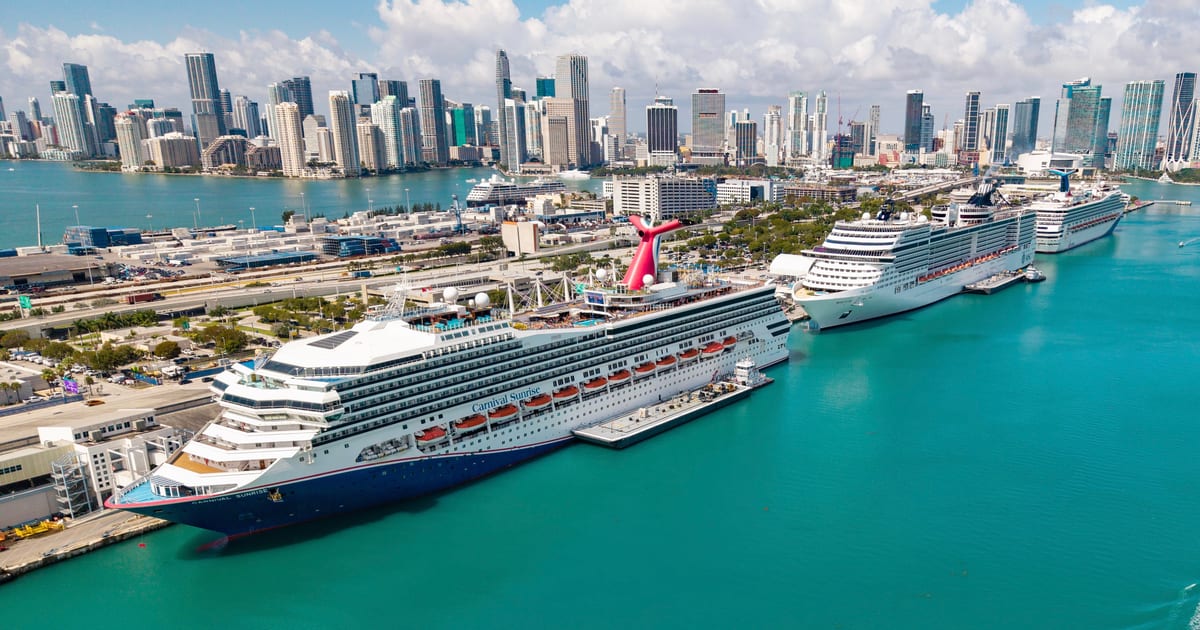
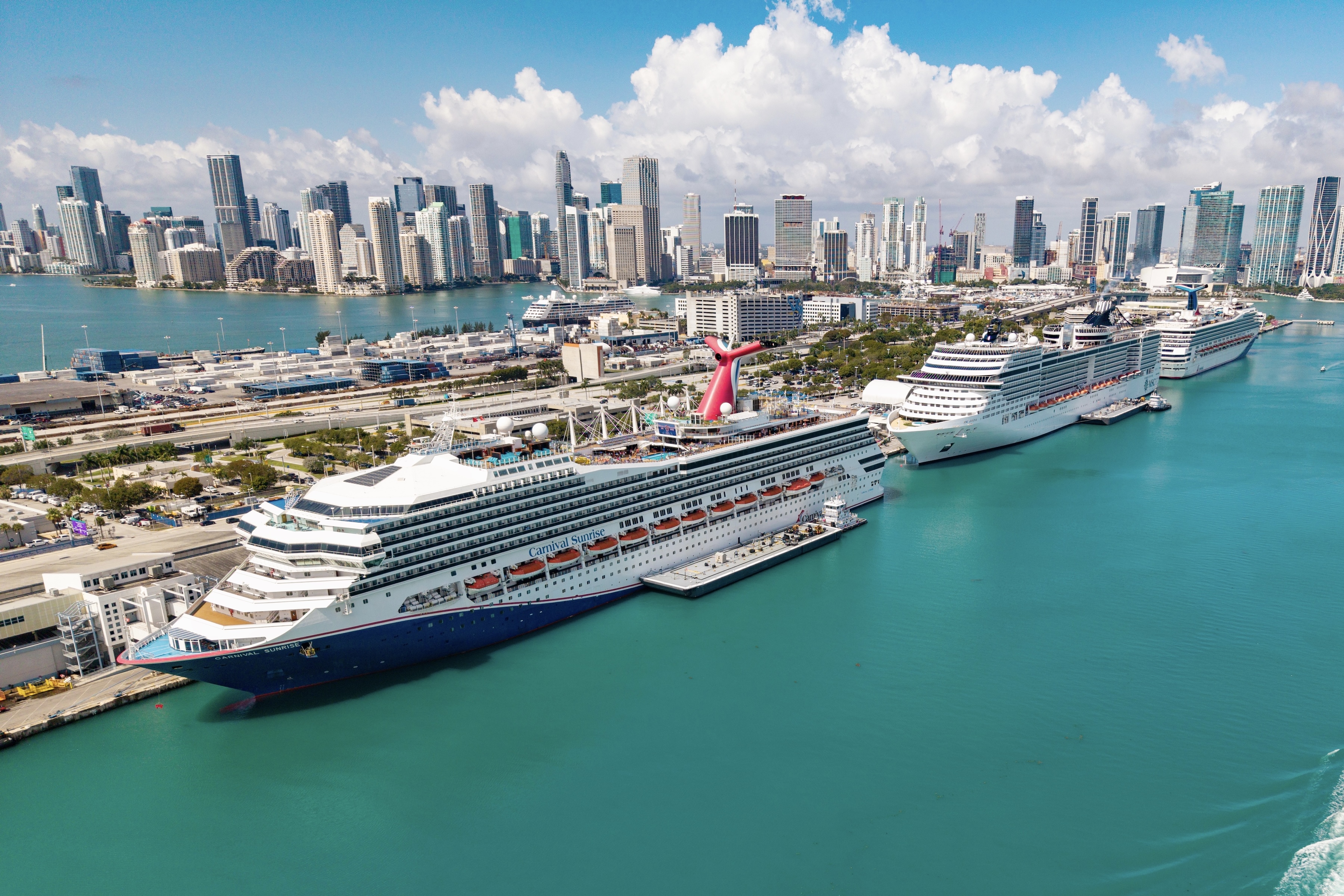
The CDC/ cruise ships. The Centers for Disease Control and Prevention oversees the cruise line Vessel Sanitation Program, investigating public health outbreaks and ship cleanliness. Such inspections are conducted by U.S. Public Health Service officers, who are working. Unfortunately, staffing was reduced by half earlier this year. Just last week, a Royal Caribbean cruise was hit with a major norovirus outbreak, the 19th of the year industrywide.
State Department/ Embassies & consulates: The State Department advises “consular operations domestic and abroad will remain operational.” However, “certain domestic support” for consular operations will be suspended. What does that mean? Presumably it means you should check on the availability of service you may require.
Amtrak/ trains: While Amtrak relies in part on federal funding, it operates autonomously and won’t be immediately affected. However, experts note “repeated budget recesses may slow down critical modernization projects and station renovations.”
If you’re traveling during the federal shutdown
Unfortunately, there isn’t much the travel consumer can do to get around the effects of the shutdown. Far too many government agencies tasked with facilitating travel are going dark now.
• Early means early! I know—everyone always tells you it’s best get to the airport early. But shutdowns lead to higher than average sick calls by TSA screeners, so screening wait times are up.
• Go nonstop if possible. It isn’t always possible, but avoid connecting flights, even for lower fares. Connecting means doubling the chances of a delay or cancellation.
Safe travels.
William J. McGee is the Senior Fellow for Aviation & Travel at American Economic Liberties Project. An FAA-licensed aircraft dispatcher, he spent seven years in airline flight operations management and was Editor-in-Chief of Consumer Reports Travel Letter. He is the author of Attention All Passengers and teaches at Vaughn College of Aeronautics. There is more at www.economicliberties.us/william-mcgee/.
