

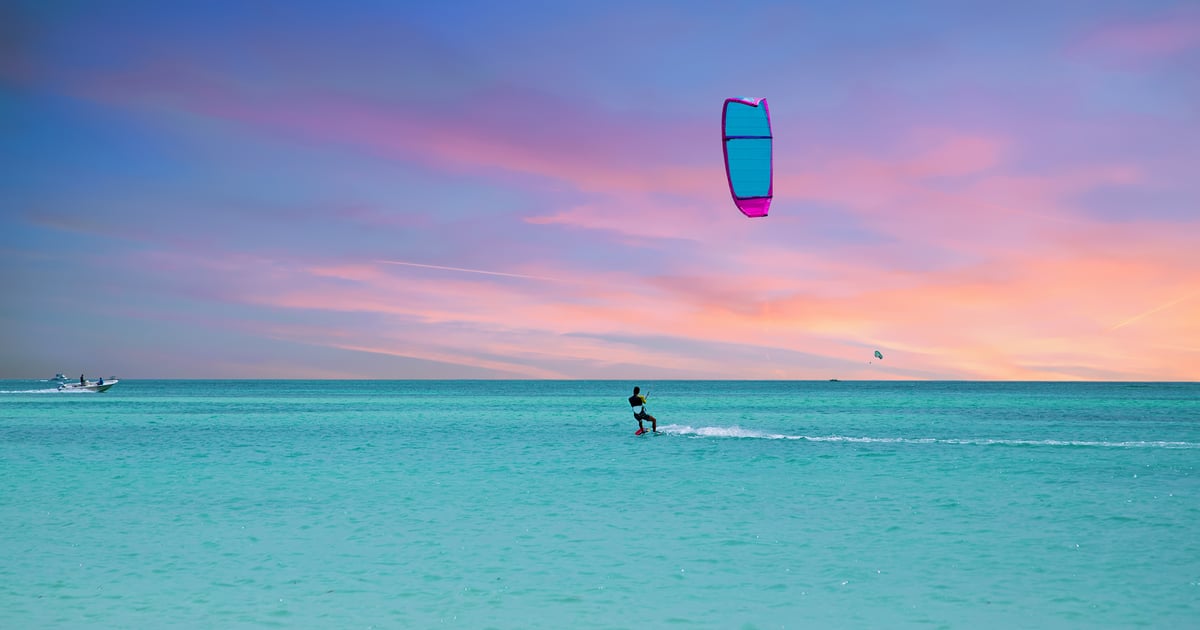
The safety situation for travelers in the Caribbean varies across the region’s many islands, with crime rates improving here or worsening there based on economic conditions, gang-related activity, and other factors.
Another concern on the safety front, particularly in this region: the weather. Historically, some islands get hit by storms rarely (if ever) during hurricane season, due to geographic location, while others are in the path of destruction more frequently.
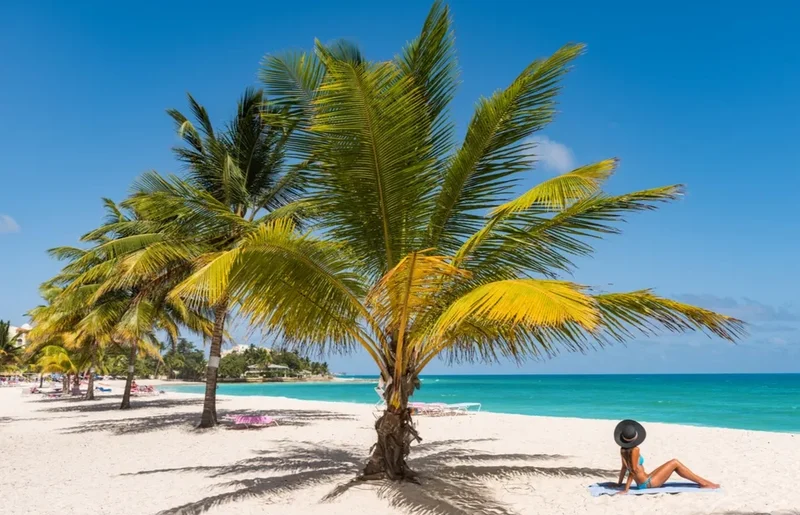
What is the safest Caribbean island overall?
Taking into account low crime rates as well as minimal storm impact during hurricane season (which lasts in the Atlantic region from June 1 through Nov. 30), two Caribbean islands stand out as the safest.
The first is Aruba, a distinction reinforced by a 2025 safety index compiled by Always All Inclusive.
Aruba has a “near-perfect safety profile,” the analysis found, owing to the island’s extremely low crime rate, strong health care system, and Level 1 travel advisory (“Exercise normal precautions”) from the U.S. State Department. That’s the mildest possible rating in the U.S. government’s 4-level travel advisory system.
It doesn’t hurt that Aruba hasn’t experienced a hurricane in recent history, either.
The other overall safety standout is Barbados, which has the second-lowest crime rate in the Caribbean (after Anguilla), according to the data trackers at World Population Review.
The island doesn’t always go completely unscathed during hurricane season, occasionally experiencing heavy rains and storm surges. But direct hits are uncommon.
Which Caribbean islands have the lowest crime rates?
If crime is your primary safety concern, these six islands have the lowest rates of violent incidents and petty thefts, according to the data compiled by World Population Review:
- Anguilla
- Barbados
- St. Barthélemy
- Martinique
- Cayman Islands
- Aruba
In some cases—Anguilla and Barbados, for instance—drug-related crimes might be on the rise, but those are less likely to affect ordinary tourists.
Keep in mind as well that crime rates might be higher in certain areas. And a destination’s high safety rating is no excuse for eschewing safety precautions such as staying aware of your surroundings and guarding your money and valuables.
Which Caribbean islands are safest during hurricane season?
Because of weather patterns, islands in the southern reaches of the Caribbean (i.e., the ones closest to South America), fare best when it comes to avoiding the biggest storms during hurricane season, which peaks in August, September, and October.
Among the safest bets, weatherwise, for a Caribbean trip during that time:
- the ABC islands: Aruba, Bonaire, and Curaçao
- Barbados
- Grenada
- St. Vincent and the Grenadines
- Trinidad and Tobago
Mind you, that’s based on historical patterns. Storms can have an impact anywhere in the Caribbean (Grenada was affected by Hurricane Beryl in 2024, for example), and increasingly warmer oceans are making weather more severe all over.
If you’re thinking about a Caribbean getaway during hurricane season, always review airline and hotel cancellation policies, consider getting travel insurance, and keep an eye on weather forecasts.
Which Caribbean islands have Level 1 advisories from the State Department?
At the moment, the State Department has given its safest travel rating, Level 1 in its four-level system, to the following islands in the Caribbean and tropical Atlantic (click the island’s name to read the State Department’s advisory):
Which Caribbean islands are unsafe for travel?
Only one Caribbean country has been given the State Department’s Level 4 advisory, indicating that U.S. citizens should not travel there.
That would be Haiti, which is in the midst of a prolonged crisis, with armed gangs having seized control of large amounts of territory. That has led to widespread violence, unrest, and limited health care options. Commercial flights from the U.S. and stops from cruise ships have been suspended due to the ongoing emergency.
Earlier in 2026, the State Department reissued a Level 3 advisory (“Reconsider travel”) for Trinidad and Tobago. The island nation has been under a government-declared state of emergency since March due to a “spike in violent criminal activity,” according to the State Department.
During the state of emergency, police forces can “arrest people on suspicion of involvement in illegal activities,” and authorities can “search and enter public and private properties as needed.”
The State Department warns of a risk of terrorism as well.
How safe are other popular Caribbean islands?
The U.S. government’s risk assessment system places several other tourism heavy hitters in the region at Level 2, “Exercise increased caution.”
They include the Bahamas (for crime), Cuba (for crime and an unreliable electrical grid), the Dominican Republic (for crime), Grenada (for crime), Jamaica (for crime, a wobbly medical system, and natural disaster risks), and Turks and Caicos (for crime).
If you’d prefer a second or third opinion, you can consult the travel advice and warnings issued by the governments of Canada and the United Kingdom.
Obviously, complete safety is never guaranteed when you travel overseas. Or, for that matter, when you stay at home.
If you’re a U.S. tourist looking to reduce your chances of running into trouble while in another country, there are several steps you can take. Stay informed about the destination you’re visiting. Read up on the State Department’s general safety tips. Buy travel insurance. And register for the Smart Traveler Enrollment Program (STEP) to get up-to-the-minute safety alerts and to help officials find you in the event of an emergency.
An earlier version of this story has been updated.
