

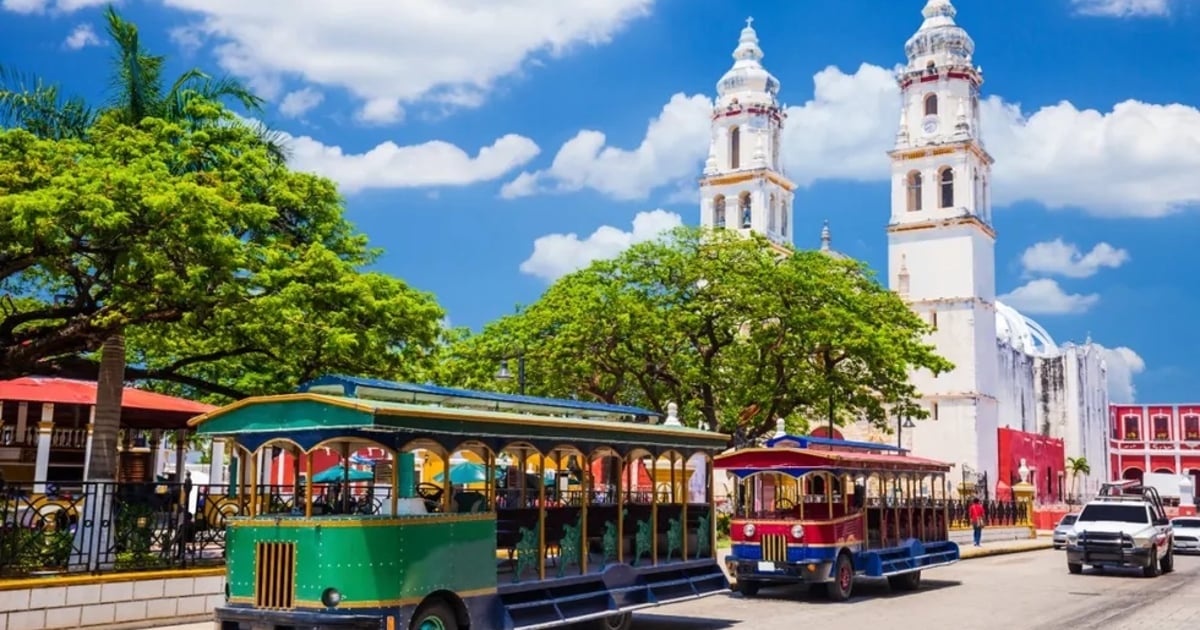
Given its sunny beaches, rich culinary and cultural traditions, vibrant cities, historic villages, and ancient ruins, Mexico is always an appealing notion for travelers from the United States. And it doesn’t hurt, for the sake of convenience, that the two countries are neighbors.
But is Mexico safe?
The U.S. State Department’s travel advisory for Mexico currently rates the country Level 2—indicating that travelers should “exercise increased caution”—in the federal agency’s four-level advisory system.
The primary threats, according to the U.S. government, are terrorism, crime, and kidnapping.
“Many violent crimes take place in Mexico,” the advisory warns. “They include homicide, kidnapping, carjacking, sexual assault, and robbery. There is a risk of terrorist violence, including terrorist attacks and other activity in Mexico.”
What’s more, the U.S. government has limited ability to help tourists in many parts of Mexico, per the advisory, because “U.S. government employees may not travel to certain high-risk areas” and emergency services may be limited or unavailable in some remote locations.
Still, it’s important to remember that Mexico is large and varied, and threat levels are not uniform across the country. Places with the highest crime rates are often outside the most popular tourist zones; in particular, the dangers facing beachgoers in many resort areas remain fairly low.
Reflecting the range of safety concerns throughout Mexico, the State Department supplies an individual risk assessment for each of the country’s 31 states to give some nuance to Mexico’s overall Level 2 rating.
Those advisories can be a helpful tool for U.S. travelers considering Mexico vacations this year and beyond.
 (Edzná, a Maya archaeological site in Campeche, Mexico | Credit: Genna88 / Shutterstock)
The safest parts of Mexico, according to the U.S. State Department
The State Department gives its mildest Level 1 safety advice—”Exercise normal precautions”—for travelers headed to two states bordering the Gulf of Mexico: Campeche (the city of the same name is pictured at the top of this page) and Yucatán. The latter gets more tourists; it’s home to Chichén Itzá and the Spanish colonial city of Mérida.
Sixteen Mexican states and Mexico City have received the U.S. government’s next lowest threat assessment, Level 2, and a warning for travelers to “exercise increased caution” due to crime in those regions. To help put things in perspective, the advisory for these states corresponds to the Level 2 warning issued by the State Department for travel to France, Italy, the Bahamas, and the United Kingdom.
Mexican states with popular tourism destinations that fall under this second-safest category include Baja California Sur (where Cabo San Lucas and San José del Cabo are), Nayarit (where Sayulita is), Oaxaca (where Oaxaca City and Puerto Escondido are), and Quintana Roo (where Cancún, Playa del Carmen, Tulum, Isla Mujeres, and Cozumel are).
Also on the increased-caution Level 2 list are the states of Aguascalientes, Coahuila, Durango, Hidalgo, Mexico State, Nuevo León, Puebla, Querétaro, San Luis Potosí, Tabasco, Tlaxcala, and Veracruz.
The most dangerous parts of Mexico, according to the U.S. State Department
Mexican states where the U.S. government currently recommends that tourists “reconsider travel” (Level 3) due to the threat of violence are Baja California (where Tijuana and Ensenada are), Chiapas, Chihuahua, Guanajuato (where San Miguel de Allende and Guanajuato City are), Jalisco (where Puerto Vallarta and the Riviera Nayarit are), Morelos, and Sonora.
Six states—Colima, Guerrero (where Acapulco is), Michoacan, Sinaloa, Tamaulipas, and Zacatecas—have been given a flat “do not travel” warning (Level 4) due to crime and terrorism, according to the State Department.
Safety tips for traveling to Mexico
No matter where you’re headed internationally, there are smart steps you can take to reduce risks.
Be careful about going to bars and other nightspots, especially if you’re alone.
Make sure to keep your loved ones up to date about your plans and, if you do set off on your own, remember to text somebody you trust with stuff like your GPS location and photos of the license plates of taxis you enter. (Here are some safety apps geared specifically toward women traveling solo.)
Do not display signs of wealth, such as expensive jewelry or the wad of cash you just got from the ATM.
Look over the State Department’s International Travel Checklist and enroll in the Smart Traveler Enrollment Program (STEP) to receive alerts and remain reachable in case of an emergency.
Related: The Safest Caribbean Islands Right Now
An earlier version of this article has been updated.
