

When a devastating heat wave, hurricane, flood or wildfire strikes, people often want to know: How much did human-caused climate change influence this event, if at all?
For many years, scientists could answer that question only in general terms. They knew that human-caused climate change was increasing the frequency or intensity of some kinds of extreme weather, but determining its influence on a particular event was much more difficult.
Today, researchers can provide a scientifically grounded answer that assesses whether climate change made a heat wave hotter, increased rainfall from a hurricane, or made a drought more severe. But the answers are not always straightforward, and they are not equally certain for every type of extreme event.
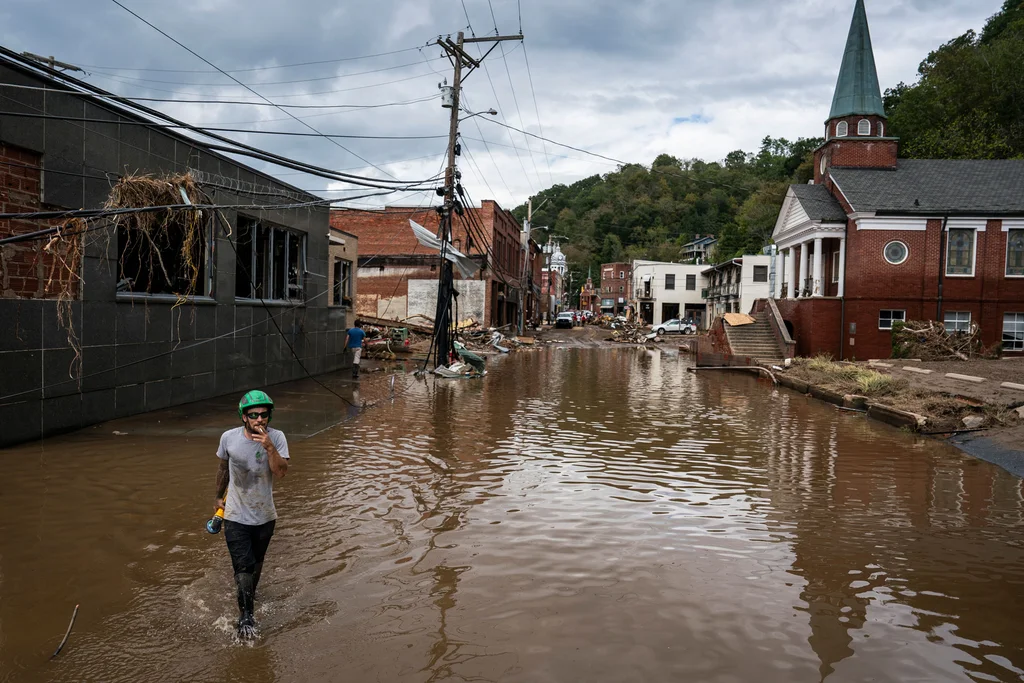
We served on the 14-member National Academies of Sciences, Engineering, and Medicine committee that produced a new report that reviewed where this rapidly developing field, known as extreme event attribution, stands today.
The report concludes that advances in weather and climate data, climate models and attribution methods have substantially strengthened scientists’ ability to assess the influence of climate change on many types of extreme events, while also identifying important scientific limitations.
How can scientists study a single event?
Weather events result from many interacting factors, including the day-to-day state of the atmosphere.
Scientists conducting extreme event attribution studies aren’t asking whether climate change caused a hurricane, heat wave or flood. Instead, they’re asking how climate change influenced that event: How would this event have differed in a world without increased greenhouse gases, and how have the chances of it occurring been altered by warming?
Researchers answer that question using two complementary approaches:
- One compares how often that type of event, for example an extreme downpour that causes flooding, occurs in today’s climate with how often it would have occurred in a climate without human-caused climate change.
- The other examines how climate change altered the characteristics of the event that happened; for example, whether a hurricane produced more rainfall or a heat wave became hotter because the atmosphere has warmed.
Both approaches combine weather and climate data, physical understanding of how the climate system works, and computer models. Scientists can compare results from multiple approaches to determine whether they point to the same conclusion and how much confidence to place in the results.
For example, studies of Hurricane Harvey, which dumped 50 inches of rain in parts of the Houston area in 2017 and caused widespread flooding, concluded that climate change increased the amount of rainfall the storm produced. Multiple studies using different approaches reached broadly consistent conclusions, illustrating how scientists conducting attribution studies can build confidence in the conclusions by drawing on several independent lines of evidence.
Scientists are more confident about some events than others
One of the report’s most important conclusions is that attribution science is not equally able to assess every kind of extreme weather.
Confidence is highest for events whose relationship to a warming climate is well understood and well represented in climate models.
Extreme heat is the clearest example. As greenhouse gas concentrations have increased with the burning of fossil fuels, just about every region of the world has experienced more frequent and more intense heat extremes. Scientists understand how increasing greenhouse gases warm the atmosphere and make heat extremes more likely and more intense, making it possible to attribute many individual heat waves with high confidence.
Confidence is also relatively high for attributing the contributions of climate change for large-scale heavy rainfall events, tropical cyclones, and droughts in some regions. A warmer atmosphere is thirstier – it draws more moisture, worsening droughts and fueling heavier downpours when storms form.
The contribution of climate change remains more difficult to assess for other weather hazards. Severe thunderstorms, tornadoes, large hail and damaging straight-line winds depend on small-scale atmospheric processes that global climate models still struggle to represent accurately. Data for these events is also less complete, making it harder to detect long-term changes and evaluate climate models.
Some events are becoming increasingly complex. For instance, multiple events can occur simultaneously or in succession, leading to compounding or cascading effects, such as drought that worsens wildfire risk. Attribution science is just beginning to account for these interactions.
These challenges do not mean climate change has no influence on these events. Rather, they reflect a fundamental principle of science: confidence depends on the strength of the available evidence.
Understanding how climate change influences extreme events helps communities, businesses and governments better assess changing risks, improve planning and infrastructure, and make more informed decisions about preparedness and adaptation. Just as importantly, knowing where confidence is lower helps ensure that decisions remain grounded in the strength of the available scientific evidence.
Why attribution science is getting better
The science of extreme event attribution has progressed significantly since the National Academies’ last assessment of it in 2016.
Researchers now have access to longer and better observational records from weather stations, satellites and other monitoring systems. Climate models have become more sophisticated, better representing the physical processes that produce extreme weather, thus representing many types of extreme weather more realistically.
At the same time, the number of attribution studies analyzing climate change’s role in extreme events has grown considerably, covering more types of extreme weather and climate events than a decade ago. International research groups now apply established methods to conduct rapid attribution studies, often within days of disasters, providing scientifically grounded information while events are fresh in the public mind.
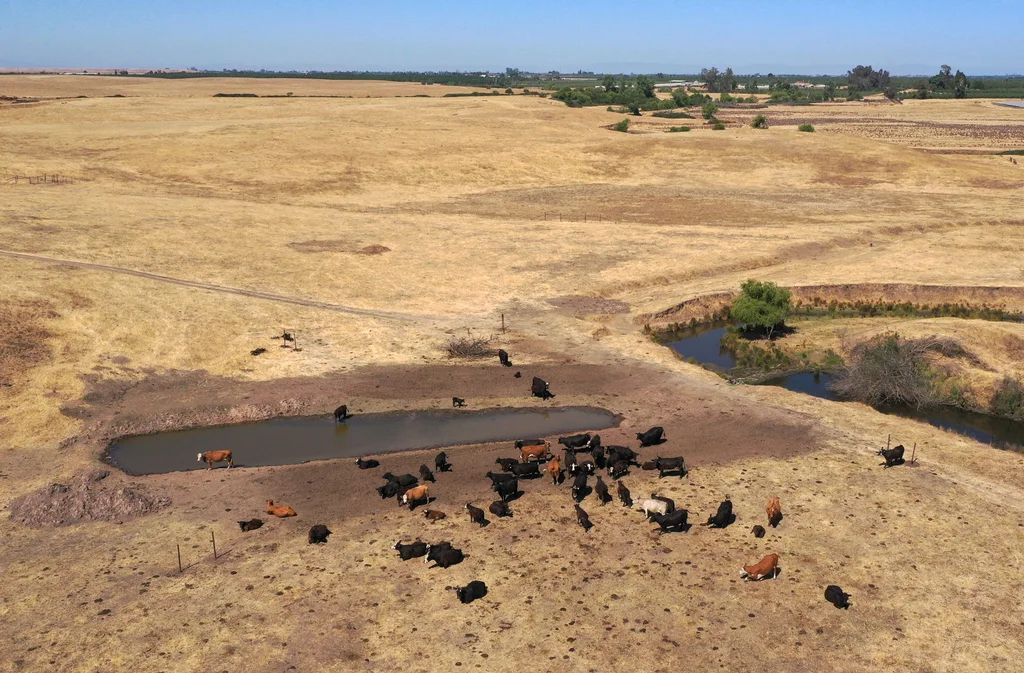
Scientists are also asking a new question: How did climate change affect the results of the event? For example, how did it affect the number of heat-related deaths, the extent of flooding, economic losses or ecological damage?
Hurricane Harvey again provides a useful example. The National Academies report highlights research showing that climate change increased Harvey’s rainfall by roughly 20% to 38%. Studies also found that the increase in rainfall attributed to climate change led to a proportionally even larger increase in the number of flooded properties, showing that relatively modest increases in the intensity of an extreme event can sometimes translate into much larger increases in societal impacts.
Extreme weather and climate change moving forward
As extreme weather affects communities around the world, attribution science is becoming an increasingly robust way to understand how climate change influences individual extreme weather events, providing information that can help communities prepare for and adapt to future risks.
Equally important, attribution studies identify where scientific confidence is high, where important uncertainties remain, and where additional research is needed. Together, these advances help ensure that scientific conclusions remain grounded in observations, physical understanding and careful analysis.
Kevin T. Smiley is an associate professor of sociology at Louisiana State University ; Deepti Singh is an associate professor at School of the Environment, Washington State University; Jennifer Marlon is a research scientist at Yale University, and Jim Hurrell is a professor and Scott Presidential Chair in environmental science and engineering at Colorado State University.
This article is republished from The Conversation under a Creative Commons license. Read the original article.
