
Close Menu
    What's Hot

    Colombians head to the polls to choose President Gustavo Petro’s successor | Elections News

    Israel Captures Crusader Castle That Symbolized Its Long Lebanon Occupation

    Black founders raise highest amount of quarterly funding since 2022, but there’s a catch

    Facebook X (Twitter) Instagram
    Trending
    • Colombians head to the polls to choose President Gustavo Petro’s successor | Elections News
    • Israel Captures Crusader Castle That Symbolized Its Long Lebanon Occupation
    • Black founders raise highest amount of quarterly funding since 2022, but there’s a catch
    • Making sense of the debate over AI psychosis
    • French Open: Aryna Sabalenka and Naomi Osaka to meet in first women’s night-time slot at Roland-Garros since 2023 | Tennis News
    • Brighton Women 0 – 4 Man City Women
    • TechCrunch Mobility: It doesn’t matter that people hate the Ferrari Luce
    • This 3D model captures a rare tropical glacier before it’s gone
    interluknewsinterluknews
    • Home
    • Business
      • Corporate News
      • Industry Insights
      • Startups & Entrepreneurship
      • Technology & Innovation
    • Economy
      • Economic Policy
      • Financial Analysis
      • Inflation & Interest Rates
      • Trade & Markets
    • Global
      • Conflicts & Security
      • Diplomacy
      • Global Trends
      • International Affairs
    • Lifestyle
      • Fashion
      • Food & Dining
      • Personal Development
      • Travel
    • Opinion
      • Columns
      • Editorials
      • Expert Opinions
      • Reader Voices
    • More
      • Politics
        • Elections
        • Government & Policy
        • International Relations
        • Political Analysis
      • Sports
        • Cricket
        • Football / Soccer
        • International Sports
        • Local Sports
      • Technology
        • Artificial Intelligence
        • Cybersecurity
        • Gadgets & Reviews
        • Tech News
      • South Africa News
    Facebook X (Twitter) Instagram
    interluknewsinterluknews
    Global Trends

    Traditional food could help reverse Nepal’s ‘diabetes epidemic’, studies suggest | Global health

    adminBy adminFebruary 11, 2026No Comments5 Mins Read
    Share Facebook Twitter Pinterest Copy Link Telegram LinkedIn Tumblr Email
    Traditional food could help reverse Nepal’s ‘diabetes epidemic’, studies suggest | Global health
    Share
    Facebook Twitter LinkedIn Pinterest Email

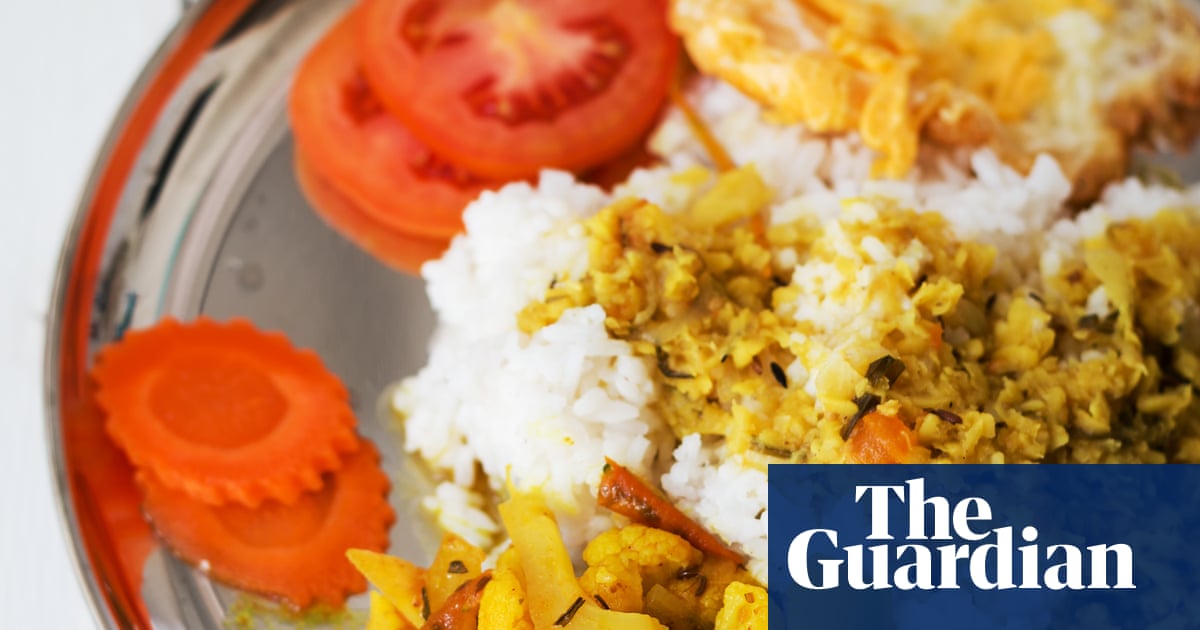
    A return to the traditional lentil and rice dishes that have nourished generations of Nepalis could save them from a diabetes epidemic prompted by the influx of western junk foods, doctors have said.

    In a country where one in five of those over 40 has type 2 diabetes, the foods enjoyed by their grandparents have showed remarkable results in reversing the condition.

    Diabetes medication is largely unaffordable in Nepal, and type 2 diabetes often sets off a cascade of complications which can include kidney disease, limb loss and blindness. Uncontrolled, it will eventually lead to premature death.

    “For many families, diabetes is not just a medical condition, but a long-term social and economic burden,” said Dr Ashish Tamang, a resident doctor based in Kathmandu.

    A pilot study in the Nepalese capital involving 70 hospital patients with long-established diabetes helped 43% into remission by putting them on a calorie-controlled traditional diet. An ongoing trial involving 120 people in villages and communities on the outskirts of cities has shown similar promise.

    “It is very early days but around half are free from diabetes at four months, with an average weight loss of only 4-5kg,” said Prof Mike Lean, a diabetes and human nutrition expert from the University of Glasgow.

    The approach is being rolled out more widely, as part of a four-year study led by the University of Glasgow in collaboration with Dhulikhel hospital, Nepal. They hope to show the diet can also prevent people at high risk of type 2 diabetes from developing the condition.

    Type 2 diabetes is characterised by high blood sugar levels, caused by the body not making enough of the hormone insulin, or the insulin it makes not working properly. It is often triggered by excess weight.

    Lean was part of a UK team who showed in 2017 that putting patients on weight loss diets of soups and shakes could reverse their diabetes. The programme is now part of standard NHS diabetes care.

    After the results were published, he was approached by doctors working in Nepal to see whether a similar approach could work in the south Asian country. It could, he believes, be even more effective there than it is in the UK.

    People from Asian backgrounds, are genetically predisposed to type 2 diabetes. This means “they only have to put on a smaller amount of weight before they start getting diabetes”, Lean said. But it also means that they “don’t have to lose a lot to get rid of it”.

    While UK patients might need to lose between 10 and 15kg to reverse their diabetes, “in Nepal it’s around half that,” Lean said. “It makes the task a fair bit easier.”

    The team therefore set out to develop a plan that used cheap, local ingredients.

    Participants were asked to follow a weight loss plan of 850 calories a day for eight weeks – typically a breakfast of yoghurt and fruit, and main meals of lentils and rice, known as dal bhat. They then switched to a higher-calorie version of the same diet to maintain their lower weight.

    During screening camps, people found to have diabetes, or to be at high risk of it were given a cup, measuring glass and weighing equipment along with a diet plan to ensure they were sticking to specific portion sizes. They were also invited to attend regular support group sessions.

    The idea was to deliver an intervention in communities, without the need for doctors or hospitals, with the help of the female volunteers who make up the backbone of the country’s health system.

    Trial design documents describe the plan as one that “stresses a disciplined (traditional) eating pattern, avoiding snacking and high-fat/sugar processed western-type foods”.

    A 2025 study found 87% of packaged foods sold in Kathmandu shops exceeded World Health Organization recommended thresholds for contents such as sugar, fat and salt.

    Lean said the approach was “not rocket science”. But it was “way more effective than any drug or medicine, and traditional medicines that don’t do anything”.

    He also encouraged participants to turn back to brown rice rather than double-milled white rice, which has fewer nutrients – including lower levels of Vitamin B1, which plays a role in how the body deals with carbohydrates.

    The expanded study originally won UK government funding but fell victim to cuts. The Howard Foundation has stepped in with £1.78m to allow it to continue. The project will also create educational materials on the drivers of diabetes.

    Lean puts the blame for soaring type 2 diabetes rates in Nepal squarely on the importation of western junk foods. He has spoken to Nepalis who “remember the first bicycle arriving in their village”. That bicycle was carrying sweets and soft drinks, he says. And as transport connections improved, junk food started arriving by motorcycle and then by car and van “and now the stuff is everywhere”.

    Lower activity levels, where advances in technology make work less physically intense, are also a driver of rising rates, the study team said.

    At conferences, Lean says he has been approached by officials from neighbouring countries also struggling with rising diabetes rates. “They all said: ‘if this works in Nepal, it will work for us.’”

    diabetes epidemic food global health Nepals reverse studies suggest Traditional
    Follow on Google News Follow on Flipboard
    Share. Facebook Twitter Pinterest LinkedIn Tumblr Email Copy Link
    Previous ArticleFCC clears Amazon Leo to boost satellite broadband coverage – GeekWire
    Next Article ‘I’m thinking of building an ark’: the Cornish village soaked by 41 consecutive days of rain | UK weather
    admin
    • Website

    Related Posts

    Israel Captures Crusader Castle That Symbolized Its Long Lebanon Occupation

    May 31, 2026

    World Health Organization hails recovery of five Ebola patients | Ebola News

    May 31, 2026

    As Deaths From U.S. Boat Strikes Pass 200, Locals Tally an Even Greater Cost

    May 31, 2026
    Leave A Reply Cancel Reply

    Demo
    Latest Posts

    Colombians head to the polls to choose President Gustavo Petro’s successor | Elections News

    Israel Captures Crusader Castle That Symbolized Its Long Lebanon Occupation

    Black founders raise highest amount of quarterly funding since 2022, but there’s a catch

    Making sense of the debate over AI psychosis

    Latest Posts

    Subscribe to News

    Get the latest sports news from NewsSite about world, sports and politics.

    Advertisement
    Demo

    We are a digital news platform delivering timely, accurate, and insightful coverage of politics, global affairs, business, economy, sports, and more. Our mission is to keep readers informed with reliable news, clear analysis, and stories that truly matter.
    We're social. Connect with us:

    Facebook X (Twitter) Instagram Pinterest YouTube

    Subscribe to Updates

    Get the latest creative news from FooBar about art, design and business.

    Type above and press Enter to search. Press Esc to cancel.

    Powered by
    ...
    ►
    Necessary cookies enable essential site features like secure log-ins and consent preference adjustments. They do not store personal data.
    None
    ►
    Functional cookies support features like content sharing on social media, collecting feedback, and enabling third-party tools.
    None
    ►
    Analytical cookies track visitor interactions, providing insights on metrics like visitor count, bounce rate, and traffic sources.
    None
    ►
    Advertisement cookies deliver personalized ads based on your previous visits and analyze the effectiveness of ad campaigns.
    None
    ►
    Unclassified cookies are cookies that we are in the process of classifying, together with the providers of individual cookies.
    None
    Powered by