
Close Menu
    What's Hot

    Halliday’s New Smart Glasses Skip the Camera

    What’s in a Watch Shape?

    Anthropic AI copyright lawsuit: Update as judge approves massive settlement and payout for authors

    Facebook X (Twitter) Instagram
    Trending
    • Halliday’s New Smart Glasses Skip the Camera
    • What’s in a Watch Shape?
    • Anthropic AI copyright lawsuit: Update as judge approves massive settlement and payout for authors
    • Don’t Overestimate America and China’s Importance by Jim O’Neill
    • The Bayer Truth About Trump’s Farm and Food Policies by Christopher Marquis
    • Flash Floods Kill at Least 23 in Afghanistan
    • A Family’s Daring Escape From North Korea
    • Pension funds may regret benchmarking their PE portfolios to stonks
    interluknewsinterluknews
    • Home
    • Business
      • Corporate News
      • Industry Insights
      • Startups & Entrepreneurship
      • Technology & Innovation
    • Economy
      • Economic Policy
      • Financial Analysis
      • Inflation & Interest Rates
      • Trade & Markets
    • Global
      • Conflicts & Security
      • Diplomacy
      • Global Trends
      • International Affairs
    • Lifestyle
      • Fashion
      • Food & Dining
      • Personal Development
      • Travel
    • Opinion
      • Columns
      • Editorials
      • Expert Opinions
      • Reader Voices
    • More
      • Politics
        • Elections
        • Government & Policy
        • International Relations
        • Political Analysis
      • Sports
        • Cricket
        • Football / Soccer
        • International Sports
        • Local Sports
      • Technology
        • Artificial Intelligence
        • Cybersecurity
        • Gadgets & Reviews
        • Tech News
      • South Africa News
    Facebook X (Twitter) Instagram
    interluknewsinterluknews
    Artificial Intelligence

    Using synthetic biology and AI to address global antimicrobial resistance threat | MIT News

    adminBy adminFebruary 11, 2026No Comments2 Mins Read
    Share Facebook Twitter Pinterest Copy Link Telegram LinkedIn Tumblr Email
    Using synthetic biology and AI to address global antimicrobial resistance threat | MIT News
    Share
    Facebook Twitter LinkedIn Pinterest Email

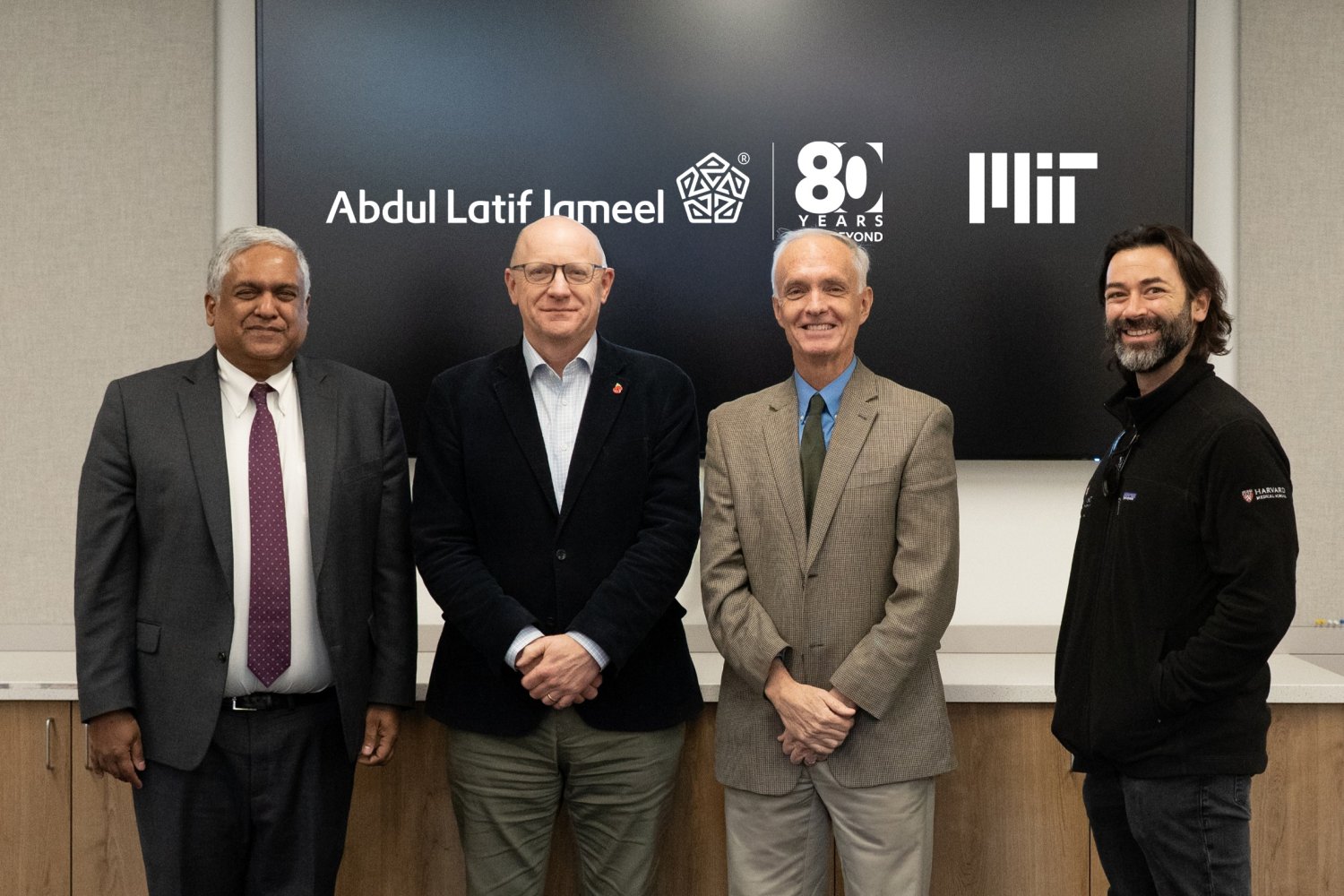
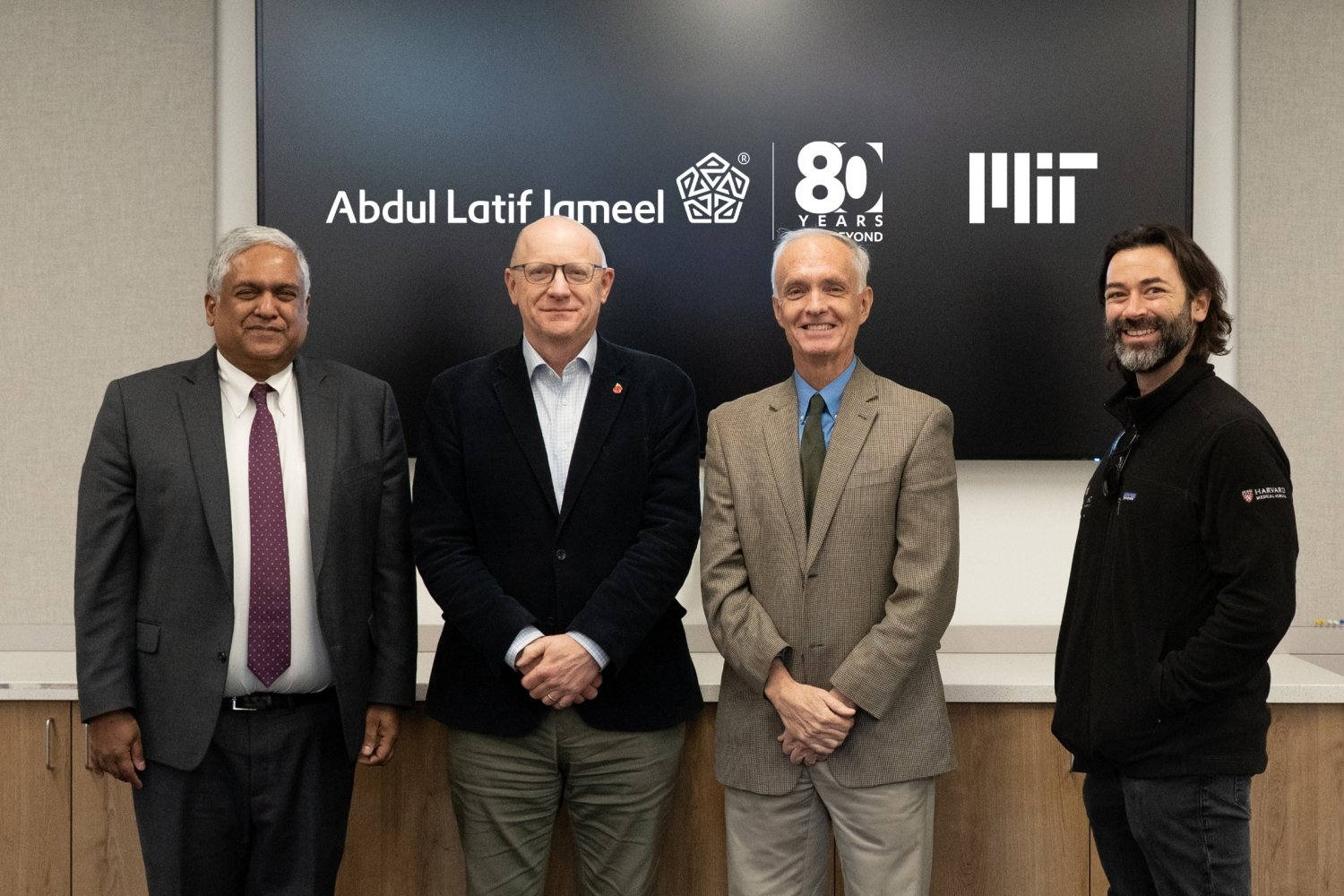
    James J. Collins, the Termeer Professor of Medical Engineering and Science at MIT and faculty co-lead of the Abdul Latif Jameel Clinic for Machine Learning in Health, is embarking on a multidisciplinary research project that applies synthetic biology and generative artificial intelligence to the growing global threat of antimicrobial resistance (AMR).

    The research project is sponsored by Jameel Research, part of the Abdul Latif Jameel International network. The initial three-year, $3 million research project in MIT’s Department of Biological Engineering and Institute of Medical Engineering and Science focuses on developing and validating programmable antibacterials against key pathogens.

    AMR — driven by the overuse and misuse of antibiotics — has accelerated the rise of drug-resistant infections, while the development of new antibacterial tools has slowed. The impact is felt worldwide, especially in low- and middle-income countries, where limited diagnostic infrastructure causes delays or ineffective treatment.

    The project centers on developing a new generation of targeted antibacterials using AI to design small proteins to disable specific bacterial functions. These designer molecules would be produced and delivered by engineered microbes, providing a more precise and adaptable approach than traditional antibiotics.

    “This project reflects my belief that tackling AMR requires both bold scientific ideas and a pathway to real-world impact,” Collins says. “Jameel Research is keen to address this crisis by supporting innovative, translatable research at MIT.”

    Mohammed Abdul Latif Jameel, chair of Abdul Latif Jameel, says, “antimicrobial resistance is one of the most urgent challenges we face today, and addressing it will require ambitious science and sustained collaboration. We are pleased to support this new research, building on our long-standing relationship with MIT and our commitment to advancing research across the world, to strengthen global health and contribute to a more resilient future.”

    address antimicrobial biology global MIT news resistance synthetic threat
    Follow on Google News Follow on Flipboard
    Share. Facebook Twitter Pinterest LinkedIn Tumblr Email Copy Link
    Previous ArticleHow to Set Up an Apple Watch for Your Kids (2026)
    Next Article Upside Robotics is reducing fertilizer use and waste in corn crops
    admin
    • Website

    Related Posts

    Halliday’s New Smart Glasses Skip the Camera

    July 21, 2026

    Lewis Hamilton: Ferrari driver tells himself to ‘step it up’ at Hungarian GP after compromised Spa-Francorchamps weekend | F1 News

    July 21, 2026

    ‘It’s a Modern-Day Draft’: Why Stanford Students Walked Out on Sundar Pichai’s Commencement Speech

    July 21, 2026
    Leave A Reply Cancel Reply

    Demo
    Latest Posts

    Halliday’s New Smart Glasses Skip the Camera

    What’s in a Watch Shape?

    Anthropic AI copyright lawsuit: Update as judge approves massive settlement and payout for authors

    Don’t Overestimate America and China’s Importance by Jim O’Neill

    Latest Posts

    Subscribe to News

    Get the latest sports news from NewsSite about world, sports and politics.

    Advertisement
    Demo

    We are a digital news platform delivering timely, accurate, and insightful coverage of politics, global affairs, business, economy, sports, and more. Our mission is to keep readers informed with reliable news, clear analysis, and stories that truly matter.
    We're social. Connect with us:

    Facebook X (Twitter) Instagram Pinterest YouTube

    Subscribe to Updates

    Get the latest creative news from FooBar about art, design and business.

    Type above and press Enter to search. Press Esc to cancel.

    Powered by
    ...
    ►
    Necessary cookies enable essential site features like secure log-ins and consent preference adjustments. They do not store personal data.
    None
    ►
    Functional cookies support features like content sharing on social media, collecting feedback, and enabling third-party tools.
    None
    ►
    Analytical cookies track visitor interactions, providing insights on metrics like visitor count, bounce rate, and traffic sources.
    None
    ►
    Advertisement cookies deliver personalized ads based on your previous visits and analyze the effectiveness of ad campaigns.
    None
    ►
    Unclassified cookies are cookies that we are in the process of classifying, together with the providers of individual cookies.
    None
    Powered by