

/file/attachments/2991/Musictapsintoproceduralmemoryinanespeciallypowerfulway_Unsplash_346856.jpg "What is ‘muscle memory’ and can I improve mine?")
Whether it’s riding a bike or knitting a sweater, there are some tasks you do without thinking.
These are commonly associated with “muscle memory”, the idea your body can remember how to perform complex tasks and, over time, learn to do them automatically.
But do your muscles actually have a memory? And what role does your brain play? Let’s unpack the science.
What is ‘muscle memory’?
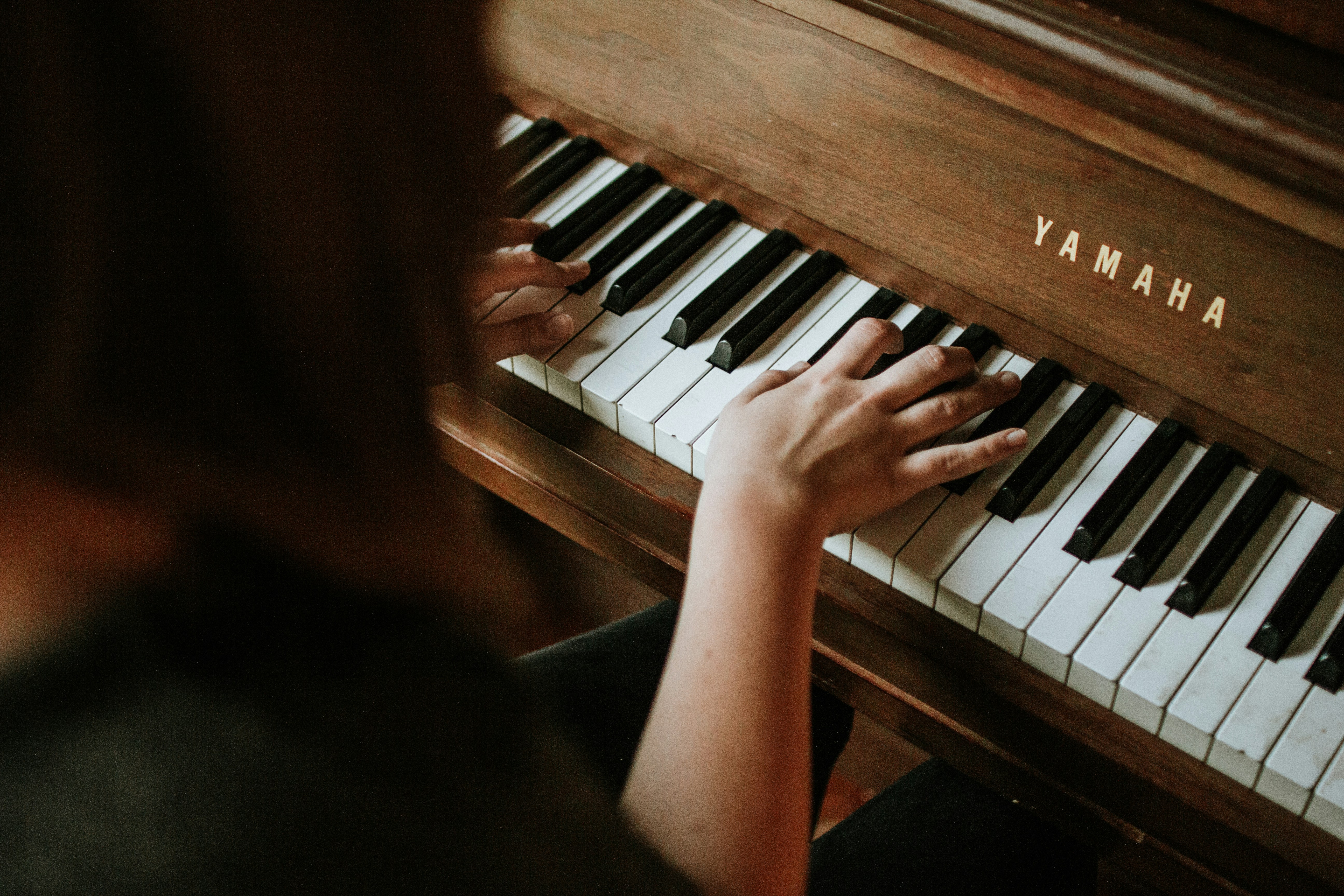
In popular culture, we usually associate “muscle memory” with tasks we do, or skills we learn, without much conscious thought. This could include riding a bike, playing a musical instrument or even tying your shoelaces.
However, cognitive scientists call this type of memory “procedural memory” rather than “muscle memory”. And while it doesn’t always feel like it, procedural memory involves our brain as well as our muscles.
The term “muscle memory” may also be used in a more literal sense to describe how muscles seem to get stronger or bigger if they have been trained before. Research supports this idea, suggesting prior training can speed up muscle growth. It may do this by changing how muscle cells function or are structured. However, scientists still don’t know exactly how this all works. In any case, it seems these changes do not allow muscles to “store” memories or information in the same way as the brain.
How does procedural memory work?
Scientists describe procedural memory as a kind of “non-declarative memory”, meaning it’s memory based on actions, rather than words. This means it can be difficult to share skills you might’ve learnt through procedural memory.
For example, imagine you’re teaching a child to ride a bike. If you hop on the bike yourself, it’s easy to perform all the correct steps (holding the handlebars, mounting the bike, pushing the pedals) at the right times. But it’s much harder to describe that process to another person, especially if you only use words.
Research suggests repetition is the best and fastest way to improve your procedural memory. When we learn a new skill, it initially takes a lot of effort. This is because you need to actively control every action to make sure you’re doing things in the right way and order.
Over time, these skills can become so automatic you barely think while doing them. For example, you might drive home without remembering which route you took. That’s because you’re performing a series of actions you’ve done hundreds of times before.
Maintaining your procedural memory requires multiple parts of your brain to work together. This is because we use different neural processes as we shift from actively learning a skill to acting more automatically.
When you learn something new, you’re largely using the pre-frontal and fronto-parietal regions of the brain. These are associated with attention, memory and deliberate, effortful thinking.
When you start repeating and practising a skill, you instead rely on sensorimotor circuits. These process the sensory information you receive from the outside world, and help your brain determine the best physical response. In this way, these circuits allow you to do complex tasks with less conscious effort.
What’s the impact of conditions such as dementia?
What’s fascinating about procedural memory is it’s largely unaffected by cognitive decline.
For people with dementia or other kinds of cognitive impairment, the hardest tasks are generally those that require conscious effort. However, they often retain more automatic skills that they’ve developed over a lifetime. This is why you may meet people with dementia who can still knit or dance a tango, despite having trouble remembering their loved ones’ names.
Research suggests music taps into procedural memory in an especially powerful way. One Canadian study found people with Alzheimer’s dementia, an irreversible brain condition which affects memory, cognition and behaviour, recognised words better when they were sung as opposed to spoken.
Procedural memory may also help people with cognitive conditions learn new skills, as well as retain old ones. In one Australian study, researchers wanted to know if a person with severe Alzheimer’s dementia could learn a new song. They found that a 91-year-old woman with severe Alzheimer’s, who’d never been a musician, was able to learn a brand-new song. While she couldn’t remember the words during a memory test, she could sing the song again two weeks later.
Can I improve my procedural memory?
Unfortunately, there’s no quick and easy way to strengthen your procedural memory.
To begin, you have to push through the initial phase of learning a new skill, which often requires significant effort and attention. This is where practice comes in. Practising a new skill will help your brain depend less on its attention-focused frontal regions, and rely more on those responsible for motor functions.
To make your practice as effective as possible, it may be worth spacing it out over multiple sessions. This forces you to deliberately bring a memory back to mind and actively reconstruct it, even after you’ve stopped thinking about it. As a result, you’ll become better at forming and retaining long-term memories. Sleeping after each practice session may also help. Research suggests this is because sleep helps you remember and retain new skills.
While improving procedural memory takes time and effort, it’s well worth it. Any new skills you learn will enrich your life. And even if your cognitive health declines, the skills you practice over a lifetime can keep you connected to the people and memories you value. DM
This article is republished from The Conversation under a Creative Commons license. Read the original article.
