

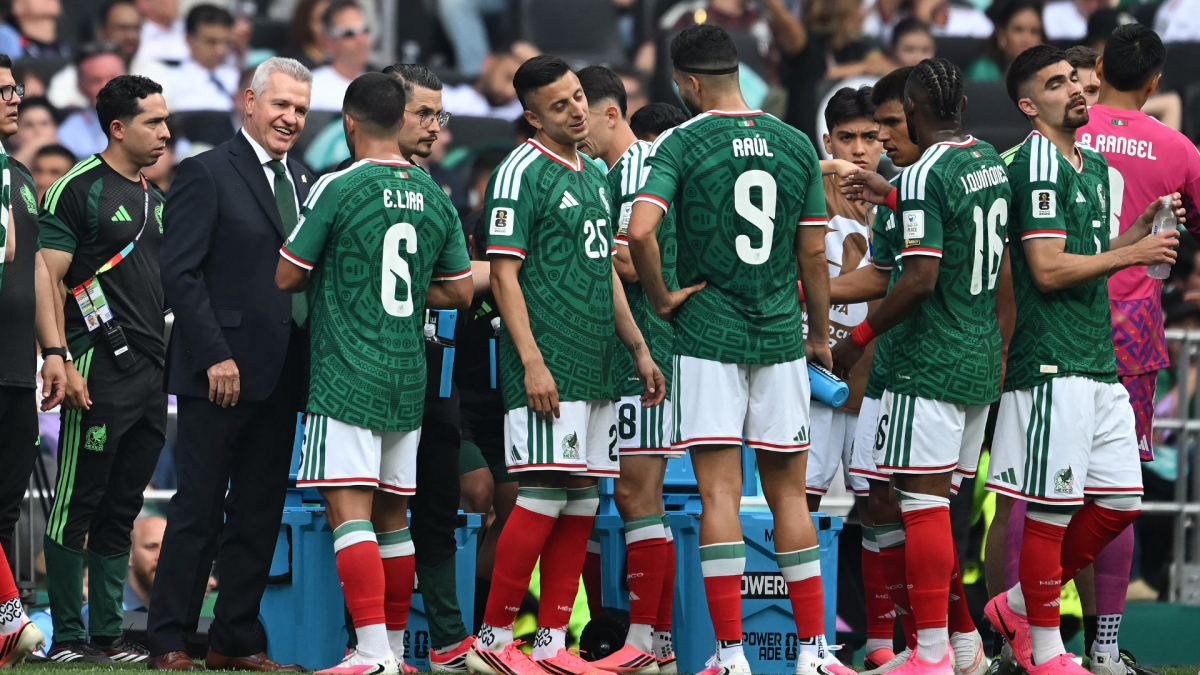
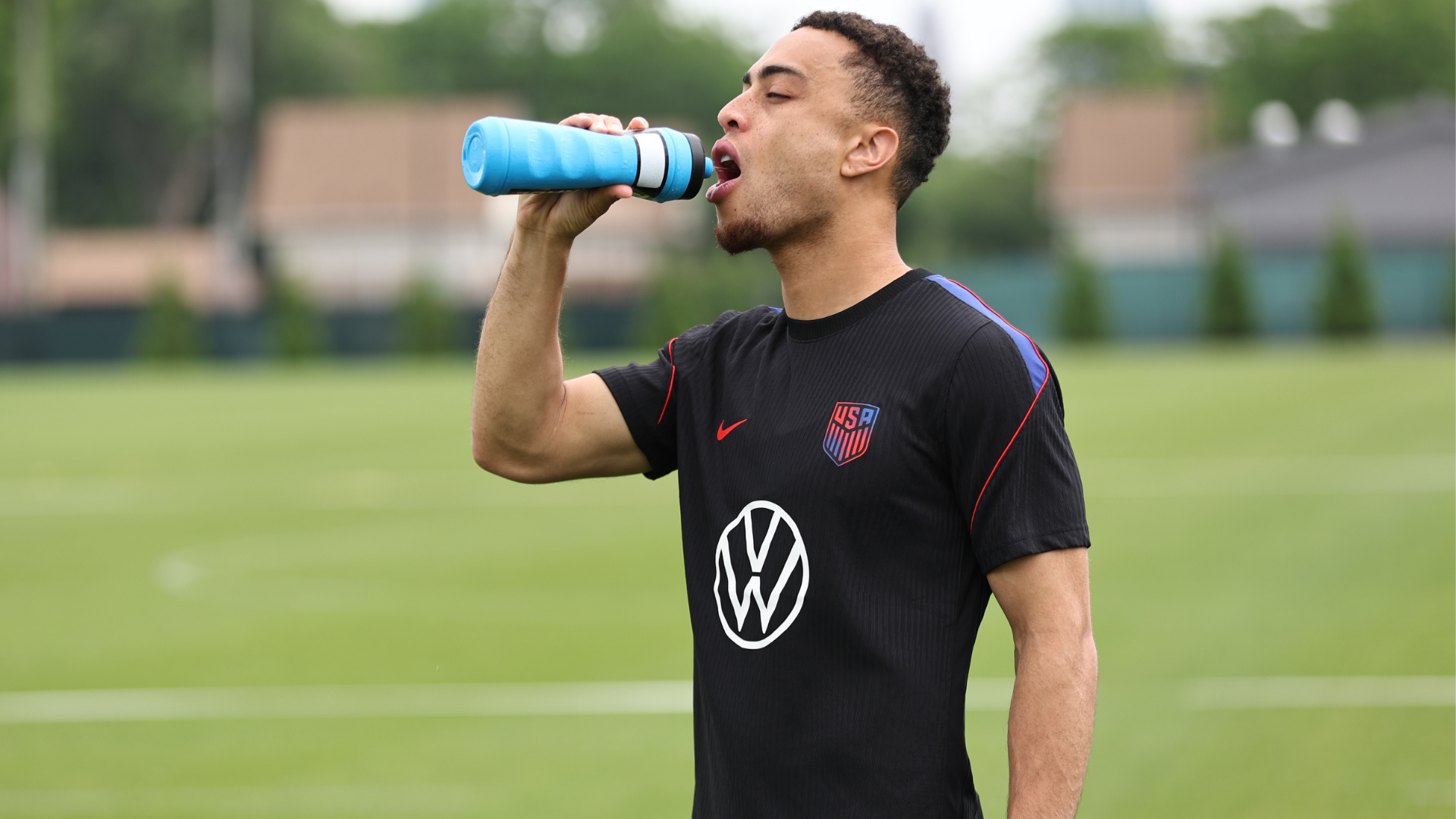
Are there quarters in soccer? Nope, but you aren’t just seeing things. A summer World Cup in the United States, Mexico and Canada brings with it many challenges, and first and foremost has to be player safety. As a way to combat possible dehydration, the 2026 FIFA World Cup will feature hydration breaks for the very first time, essentially splitting each half up for water breaks. And some broadcasters will take that opportunity to squeeze in a commercial or two.
The breaks take place midway through each half of all games, and they are three minutes long. These breaks will be imposed in all matches, regardless of weather conditions, location and type of venue, as some stadiums have roofs.
These breaks are supposed to be a streamlined and simplified version from what we saw at the 2025 Club World Cup, and the referees are instructed to stop the game on the 22-minute mark of each half.
Here is what else FIFA has said about the breaks:
The use of hydration breaks is part of a focused attempt to ensure the best possible conditions for players, drawing upon the experiences of previous tournaments, including the recent FIFA Club World Cup, which took place in the United States last summer.
The now-finalised FIFA World Cup 2026 match schedule has been designed to minimise travel for teams and fans, maximise rest days between matches for all participating nations, and enable the widest possible global audience to follow their teams across different time zones.
This complex exercise included a technical analysis of all venues – from average temperatures and cooling infrastructure to public transport and security – as well as collaborative discussions between various FIFA functional areas, including competition management, team services, medical, TV and broadcasting, and ticketing.
So when you see players headed to the sideline at the 22-minute mark at each half, just know it’s for a quick water break and action will resume in a few minutes, not the 15-minute wait that comes with halftime.
