
Close Menu
    What's Hot

    New TV guidelines could change how women athletes are shown during live sports

    Bastille Day party turns sour in Brussels – Live Updates

    Trump Scraps 20 Percent Strait of Hormuz Toll for Gulf Investment Deals

    Facebook X (Twitter) Instagram
    Trending
    • New TV guidelines could change how women athletes are shown during live sports
    • Bastille Day party turns sour in Brussels – Live Updates
    • Trump Scraps 20 Percent Strait of Hormuz Toll for Gulf Investment Deals
    • M.P. Evans Group PLC (MPEVF) Discusses Responsible Production and Pricing Dynamics in Palm Oil Industry Transcript
    • France 0 – 2 Spain
    • Helping AI models to meet the real world | MIT News
    • Microsoft Patches Record 622 Flaws, Including Two Zero-Days Under Active Attack
    • No More Trips to Walgreens? State Department Teases…
    interluknewsinterluknews
    • Home
    • Business
      • Corporate News
      • Industry Insights
      • Startups & Entrepreneurship
      • Technology & Innovation
    • Economy
      • Economic Policy
      • Financial Analysis
      • Inflation & Interest Rates
      • Trade & Markets
    • Global
      • Conflicts & Security
      • Diplomacy
      • Global Trends
      • International Affairs
    • Lifestyle
      • Fashion
      • Food & Dining
      • Personal Development
      • Travel
    • Opinion
      • Columns
      • Editorials
      • Expert Opinions
      • Reader Voices
    • More
      • Politics
        • Elections
        • Government & Policy
        • International Relations
        • Political Analysis
      • Sports
        • Cricket
        • Football / Soccer
        • International Sports
        • Local Sports
      • Technology
        • Artificial Intelligence
        • Cybersecurity
        • Gadgets & Reviews
        • Tech News
      • South Africa News
    Facebook X (Twitter) Instagram
    interluknewsinterluknews
    Personal Development

    Why men’s and women’s clothes have buttons and zippers on different sides

    adminBy adminMay 24, 2026No Comments5 Mins Read
    Share Facebook Twitter Pinterest Copy Link Telegram LinkedIn Tumblr Email
    Why men’s and women’s clothes have buttons and zippers on different sides
    Share
    Facebook Twitter LinkedIn Pinterest Email

    Curious Kids is a series for children of all ages. If you have a question you’d like an expert to answer, send it to CuriousKidsUS@theconversation.com.


    Why are zippers on different sides of male and female jackets? — Agrima, age 13, Delhi, India


    Imagine you’re at a clothing store that stocks items for the whole family. You pick up a white buttoned shirt to try on. The style is pretty plain. Was it designed to be worn by a woman or man?

    There may be a clue: Many women’s shirts have buttons on the left side, while men’s shirts usually button on the right. Even zippers in pants and jackets sometimes follow the same pattern.

    But why does clothing fasten differently depending on whether it’s made for men or women? Fashion researchers and historians like us have wondered about this gender difference. The answer has a lot to do with tradition, history, and the way clothes were made long ago. Even small details, like a zipper, can tell a story about the past.

    Clothing is full of hidden history

    When people look at clothes today, they often think about colors, comfort, or style. But clothing is also part of what historians call material culture: all the objects people use every day. Examining the material culture of the past can reveal how people lived, worked, and thought in earlier times.

    Fasteners like buttons and zippers aren’t just practical. They also follow design traditions that became connected to gender over hundreds of years.
    Why men’s and women’s clothes have buttons and zippers on different sides
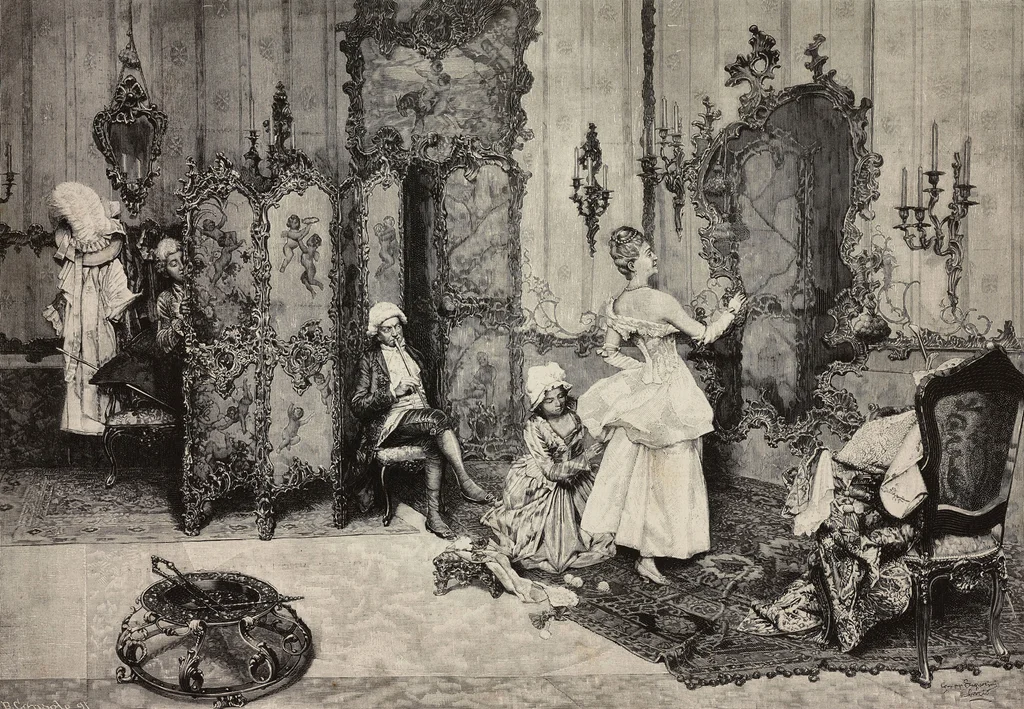
    Very rich European women dressed in elaborate clothes they needed help putting on and getting fastened into. [Image: DEA/ICAS94/De Agostini/Getty Images]

    One of the most common explanations for why male and female garments have their buttons on opposite sides comes from European fashion history. A long time ago, wealthy women from the nobility often wore complicated dresses with buttons and fasteners—so complicated that they needed help getting dressed.

    Some historians believe buttons were placed in a way that made it easier for a servant to fasten the clothing, reflecting class distinctions.

    About 90% of people are right-handed. When a maid stood directly facing a noblewoman to dress her, buttons on the wearer’s left side were lined up perfectly for the maid to use her dominant right hand to fit them into the buttonholes. If you try buttoning a jacket onto a friend or a stuffed animal while facing them, you will see exactly why this layout made the maid’s job so much easier.
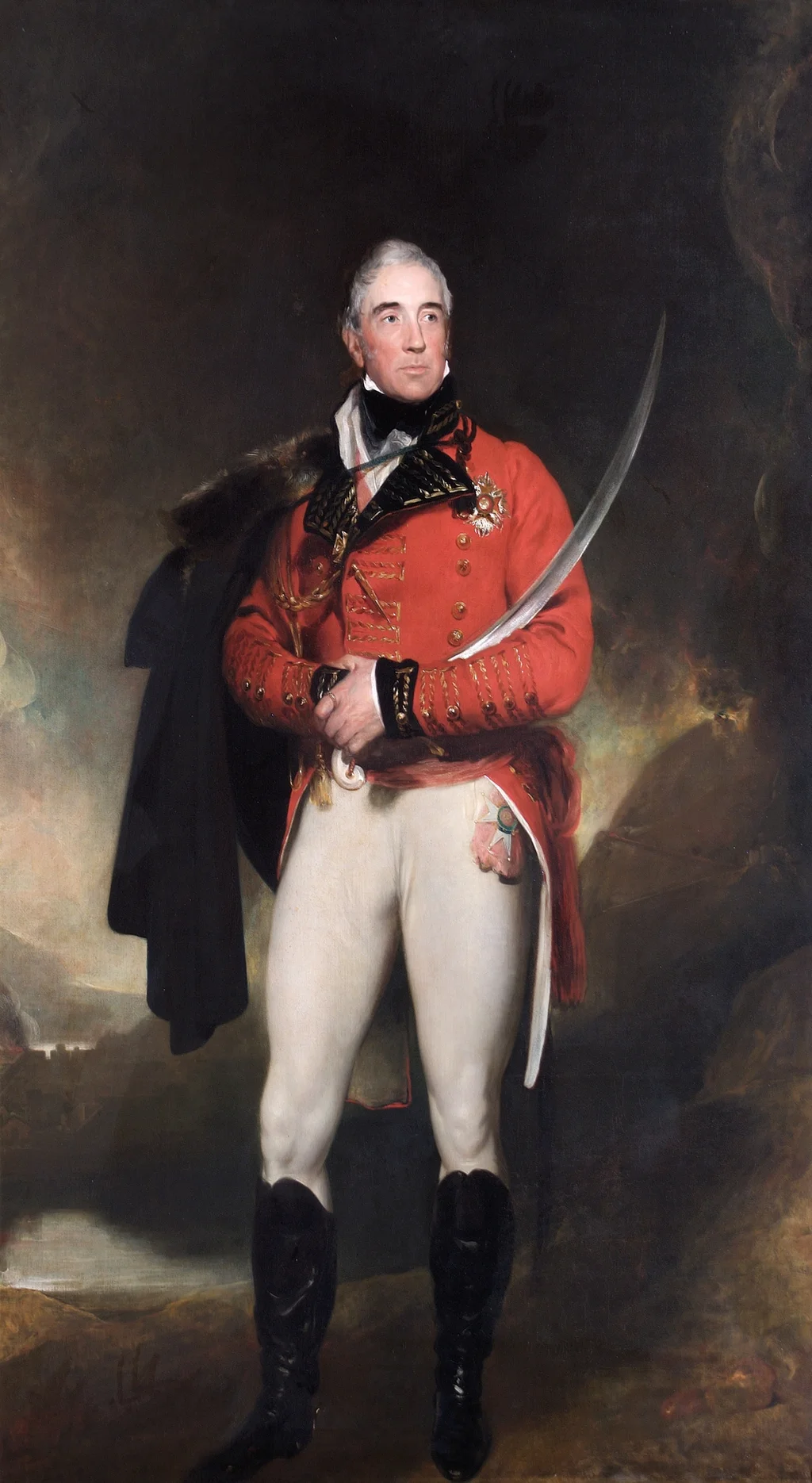
    One theory is that men’s clothes fasten in a way that makes it easy to draw a weapon from the left hip with the right hand. [Image: Heritage Images/Hulton Fine Art Collection/Getty Images]

    Men, on the other hand, usually dressed themselves. So shirts, trousers, and uniforms were designed with fastenings that were easy for the wearer to manage himself—meaning buttons on the right side for a wearer to use his own right hand to fasten.

    Men’s clothing was shaped by everyday practicality and function.

    For example, some historians point to military traditions as a possible influence on button placement. Men often wore swords on their left side and drew them with their right hand. The direction jackets, shirts, and trousers closed up may have helped prevent fabric from getting caught and in the way.

    Fashion habits are hard to change

    Once clothing started being made in factories in the early 19th century, brands needed consistent designs. Factories work best when patterns are standardized—so the button traditions stayed in place, even when people forgot how they started.

    As zippers gained popularity in the early 1900s, clothing companies just stuck with the same customs about how men’s and women’s garments were supposed to close. Instead of creating brand-new rules, many manufacturers simply kept the same patterns they had used for buttons. So zippers often ended up following the same “direction” as older garment closures.

    Today, more brands are making unisex and gender-neutral clothing meant for anyone, and many designers no longer follow the old left-side/right-side rule. It’s just a fashion tradition—there’s no reason zippers and buttons need to go on different sides for men versus women.

    It is now more acceptable to break the old rules about which side buttons or zippers should go on. If you make your own clothes, you can put closures—whether buttons, zippers, snaps, ties, Velcro, or even something new you invent yourself—wherever you want!


    Hello, curious kids! Do you have a question you’d like an expert to answer? Ask an adult to send your question to CuriousKidsUS@theconversation.com. Please tell us your name, age and the city where you live.

    And since curiosity has no age limit—adults, let us know what you’re wondering, too. We won’t be able to answer every question, but we will do our best.


    JuYoung Lee is an associate professor of fashion design and merchandising at Mississippi State University.

    Caroline Kobia is an associate professor of fashion design and merchandising at Mississippi State University.

    This article is republished from The Conversation under a Creative Commons license. Read the original article.


    buttons mens Sides womensclothes zippers
    Follow on Google News Follow on Flipboard
    Share. Facebook Twitter Pinterest LinkedIn Tumblr Email Copy Link
    Previous ArticleTechCrunch Mobility: Robotaxi reality check
    Next Article On Trails is a wandering tale that blends hiking, science, and history
    admin
    • Website

    Related Posts

    New TV guidelines could change how women athletes are shown during live sports

    July 14, 2026

    Microsoft’s emissions rose 25% last year. Experts say they’ll surge even more dramatically in the years ahead

    July 14, 2026

    An Ohio transit worker made over $200,000 in overtime pay—only the CEO made more in 2025. People are split on how to feel

    July 14, 2026
    Leave A Reply Cancel Reply

    Demo
    Latest Posts

    New TV guidelines could change how women athletes are shown during live sports

    Bastille Day party turns sour in Brussels – Live Updates

    Trump Scraps 20 Percent Strait of Hormuz Toll for Gulf Investment Deals

    M.P. Evans Group PLC (MPEVF) Discusses Responsible Production and Pricing Dynamics in Palm Oil Industry Transcript

    Latest Posts

    Subscribe to News

    Get the latest sports news from NewsSite about world, sports and politics.

    Advertisement
    Demo

    We are a digital news platform delivering timely, accurate, and insightful coverage of politics, global affairs, business, economy, sports, and more. Our mission is to keep readers informed with reliable news, clear analysis, and stories that truly matter.
    We're social. Connect with us:

    Facebook X (Twitter) Instagram Pinterest YouTube

    Subscribe to Updates

    Get the latest creative news from FooBar about art, design and business.

    Type above and press Enter to search. Press Esc to cancel.

    Powered by
    ...
    ►
    Necessary cookies enable essential site features like secure log-ins and consent preference adjustments. They do not store personal data.
    None
    ►
    Functional cookies support features like content sharing on social media, collecting feedback, and enabling third-party tools.
    None
    ►
    Analytical cookies track visitor interactions, providing insights on metrics like visitor count, bounce rate, and traffic sources.
    None
    ►
    Advertisement cookies deliver personalized ads based on your previous visits and analyze the effectiveness of ad campaigns.
    None
    ►
    Unclassified cookies are cookies that we are in the process of classifying, together with the providers of individual cookies.
    None
    Powered by