The downfall of Hungary’s autocratic prime minister, whose model of “illiberal democracy” became a lodestar to many on the right—was a consequence of that model’s own logic. Whatever happens next, one thing is certain: democracy’s friends and foes alike will be watching closely.
BUDAPEST—For 16 years, Viktor Orbán’s Hungary embodied a troubling idea: that “illiberal democracy” could be made stable and entrench itself in power. Combining electoral dominance with the systematic weakening of institutional checks and balances, Orbán appeared to solve a central dilemma of modern authoritarianism: how to win repeatedly at the ballot box while hollowing out liberal democracy. And because his model inspired admirers throughout the West (and beyond), helping to sustain a broader narrative of democratic decline, his humiliating election defeat carries implications far beyond Hungary.


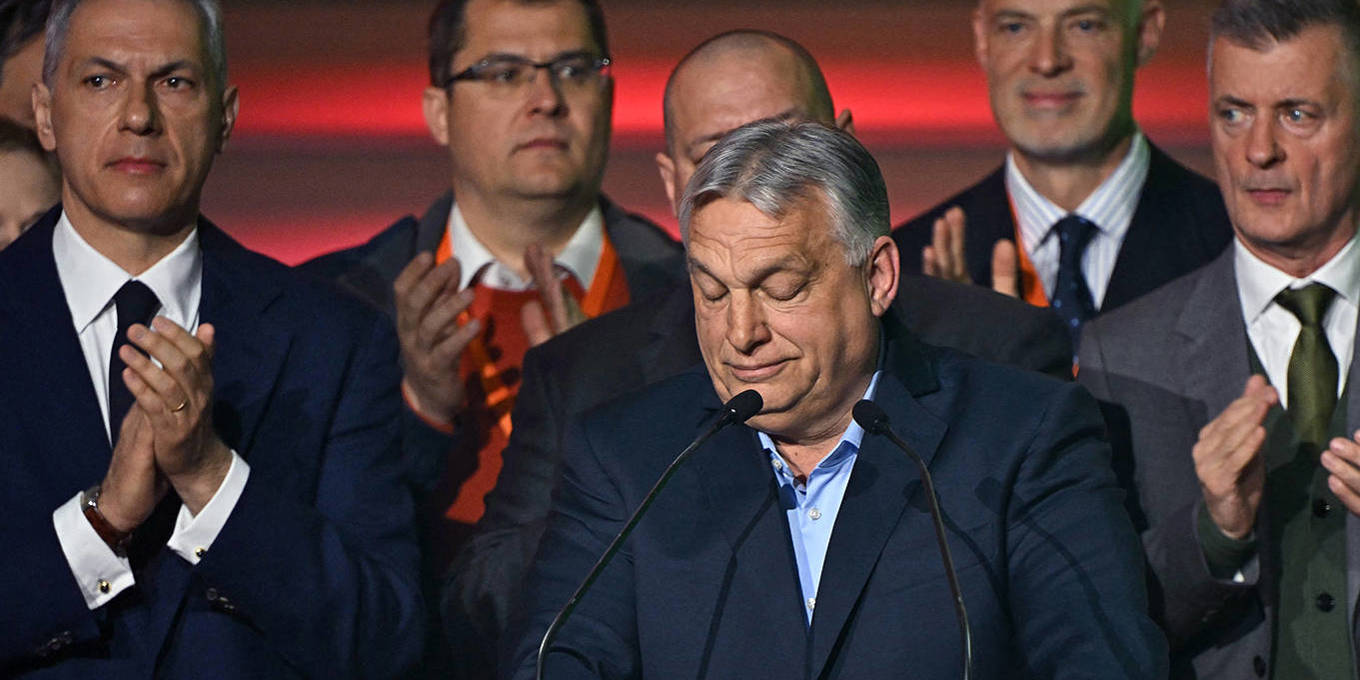
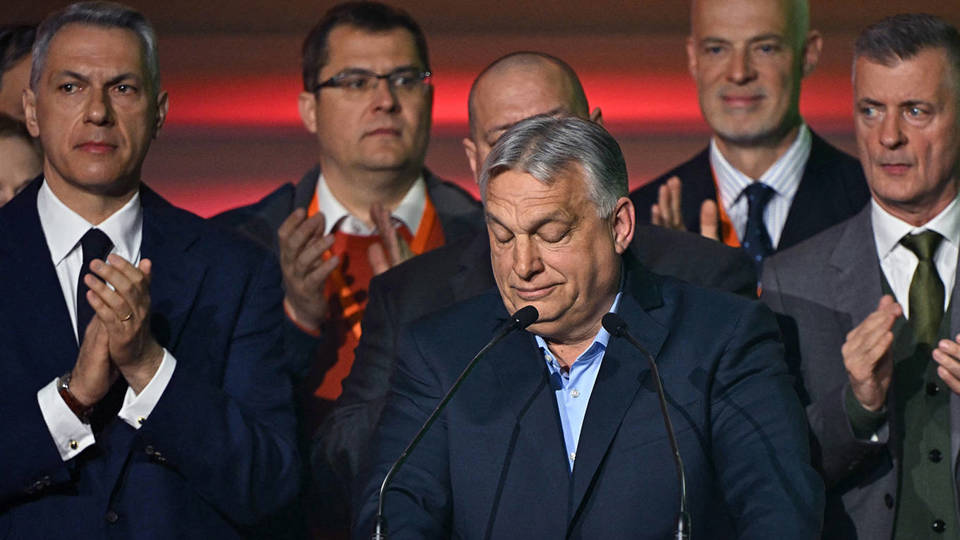

BUDAPEST—For 16 years, Viktor Orbán’s Hungary embodied a troubling idea: that “illiberal democracy” could be made stable and entrench itself in power. Combining electoral dominance with the systematic weakening of institutional checks and balances, Orbán appeared to solve a central dilemma of modern authoritarianism: how to win repeatedly at the ballot box while hollowing out liberal democracy. And because his model inspired admirers throughout the West (and beyond), helping to sustain a broader narrative of democratic decline, his humiliating election defeat carries implications far beyond Hungary.