


A rocketing dollar has hit the rand, which will have an impact on fuel prices and inflation.
The Iran war has triggered a sharp fall in the rand, which late on Tuesday breached R16.76/$, from R15.83 a week ago, a slide of almost 6%.
By late Wednesday morning, the local currency was trading at R16.52.
As oil prices skyrocket, investors are rushing to dollar, with the US benefiting from being a net energy exporter. Brent crude oil has now gained 12% over two days, its biggest rally since 2020. It was trading at $83.89 a barrel on Wednesday morning in London.
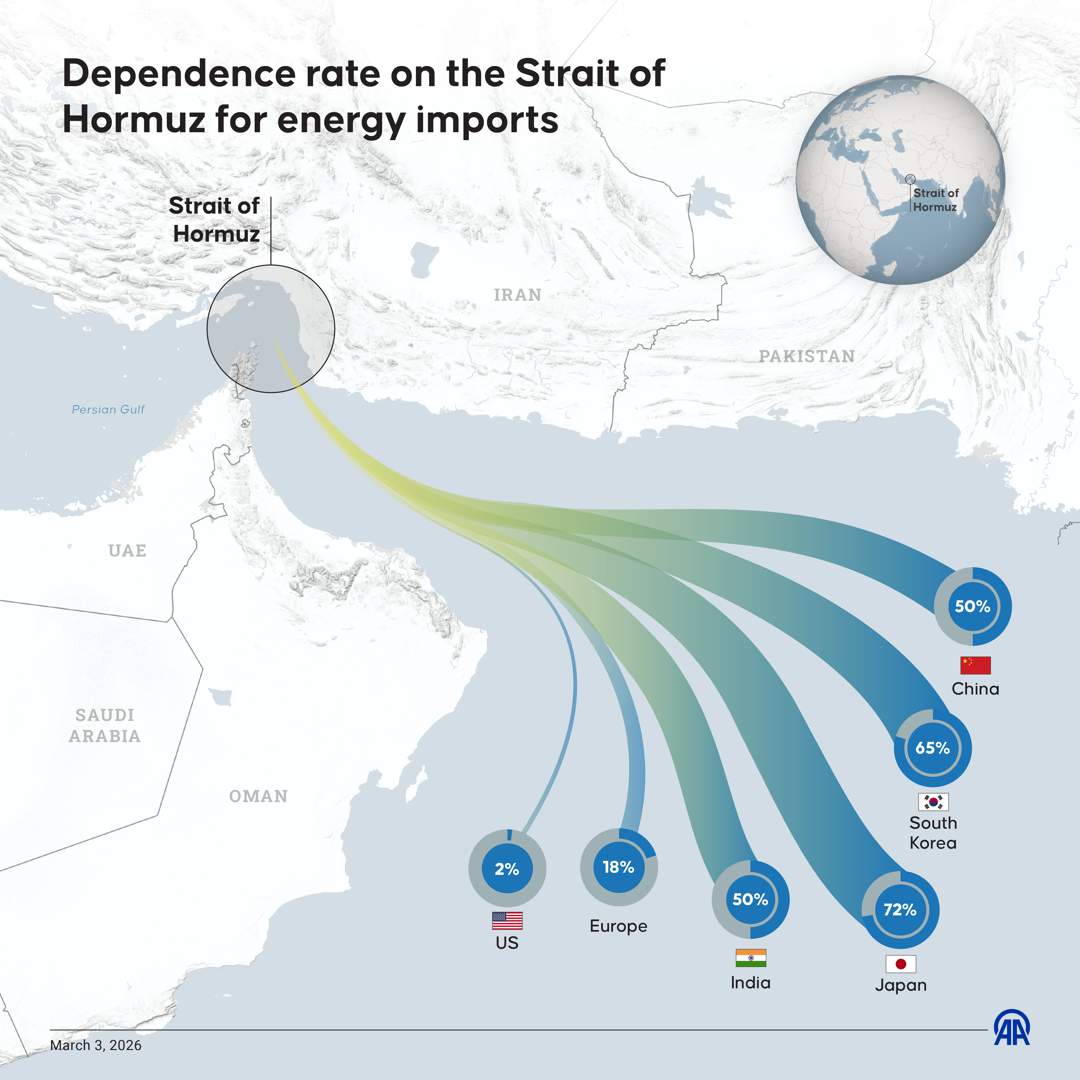
Fears over oil supply keep ratcheting up prices, despite US President Donald Trump’s reassurance that the US will provide escorts and insurance for vessels passing through the vital Strait of Hormuz.
On Wednesday, Iran’s Revolutionary Guards said they had “complete control” of the crucial waterway, which carries one-fifth of global oil.
Elif Acar/Anadolu via Getty Images
The US currency is also in hot demand as a safe-haven investment, as concerns grow over a protracted conflict in the Middle East following US-Israeli attacks on Iran on Saturday. Iran has launched counterattacks on Israel, as well as on US allies in the region, including Kuwait, Qatar and the United Arab Emirates.
Andre Cilliers, currency strategist at TreasuryONE, says the stronger dollar is also supported by expectations that the US Federal Reserve may keep interest rates higher for longer if rising oil prices push inflation higher.
“In the short term, the rand may remain volatile as global investors closely monitor developments in the Middle East, oil prices, and economic signals from major economies such as China. Any stimulus measures from China could offer support to emerging-market currencies.”
Investec chief economist Annabel Bishop warned on Monday that a sustained oil price of higher than $80 per barrel, without any significant rand depreciation, would lead to an April increase of up to 9% in fuel prices, and could lift South Africa’s inflation rate to 3.3%, compared with the current forecast of 2.9% for April.
The latest, very early estimates from the Central Energy Fund point to a price hike of around R1.76 per litre for 95-octane petrol and up to R3.30 for diesel at the start of April. However, this is based on only three days’ worth of data. There are still weeks to go before next month’s prices are set.
With local fuel prices already hard hit by rallying oil prices and a weaker rand, motorists should expect a triple whammy at the start of April: an annual increase in fuel levies, totalling 21c per litre, as announced in the February Budget.
Bishop views it as a serious risk that oil will shoot up to $100 per barrel. “Our expected case does not see the tensions persistently spread through the Middle East, but the risk has risen.”
