

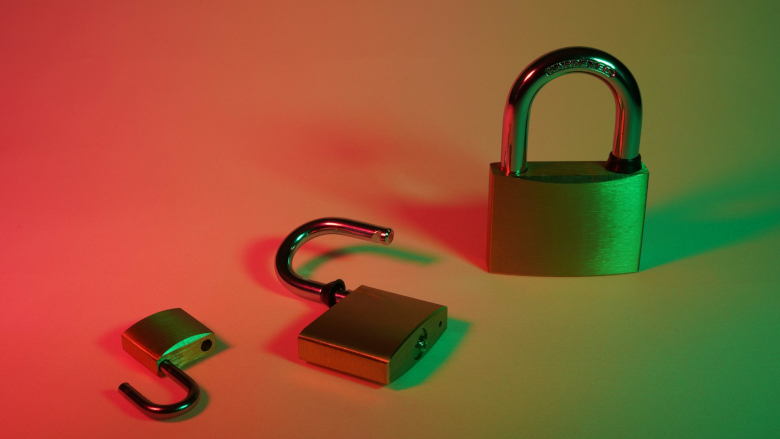

After responding to numerous security incidents and analyzing the root causes of major breaches, one truth stands out: while every attack appears different on the surface, the underlying patterns are strikingly similar. Whether the victim is a university, a hospital, a Fortune 500 company, or a small business, the same fundamental mistakes often leave doors open to attackers.
Human error, unpatched systems, weak authentication, and poor network segmentation remain the most common vulnerabilities. Despite headlines about nation-state actors and zero-day exploits, most breaches begin with something far simpler: phishing and social engineering. Attackers rarely need cutting-edge tools when organizations neglect basic security hygiene.
Why Fundamentals Matter More Than Fancy Tools
This reality shapes how we teach cybersecurity at Wilmington University. Students must understand that security is not a single tool or a one-time purchase. It is an ongoing process that requires vigilance, communication and collaboration.
What separates resilient organizations from vulnerable ones is their ability to detect, respond and recover quickly. Multi-factor authentication (MFA), for example, is one of the most effective defenses against credential-based attacks. Microsoft research shows it blocks over 99.9 percent of automated account takeover attempts. Yet MFA is not foolproof. Attackers can bypass it through MFA fatigue attacks (overwhelming users with repeated authentication requests), phishing sites that capture codes in real time, or social engineering. This underscores that even strong security controls require user awareness and proper configuration to remain effective. Unfortunately, many organizations still treat MFA as optional rather than essential.
Ransomware attacks deserve special attention. These attacks encrypt critical systems and data, demanding payment for restoration. Universities are particularly attractive targets due to valuable research data, sensitive personal information, and often-limited security budgets. The best defense combines regular offline backups, network segmentation, and user training. Organizations should decide their ransomware policy before an attack: Will you pay? Who decides? Having this policy documented prevents panic-driven decisions during an incident.
Equally important are human and organizational skills: communicating under pressure, coordinating across departments, preserving evidence, and maintaining continuity. These “soft” skills often determine whether a security professional can operate effectively in the chaos of an incident.
Signs of a Breach: What Non-Experts Can Spot
You do not need to be a cybersecurity expert to recognize early warning signs. In fact, everyday staff members, faculty, and students are often the first line of defense. Here are common red flags anyone can identify:
1. Technical Anomalies
-
Passwords unexpectedly stop working
- Devices run unusually slow
- Unexpected software appears
- Emails disappear or flood your spam folder
2. Social Engineering Indicators
-
Friends or coworkers report strange messages from you
- Unfamiliar account changes appear
- MFA or password reset prompts you did not request
3. Suspicious Requests
-
Messages urging immediate action
- Requests to bypass normal procedures
- Instructions to click links or confirm financial information
The most important skill is trusting your instincts. If something feels off, do not try to diagnose it yourself and definitely do not ignore it. Report it immediately to IT or security staff.
For example, a student forwarding a fake “verify your financial aid” email can stop a campus-wide credential-harvesting campaign. Empowering everyone to report concerns creates a culture of collective vigilance.
Post-Breach Actions: The First Hours Are Critical
Once a breach is discovered, speed and structure matter most. Organizations with tested incident response plans contain breaches significantly faster sometimes in weeks rather than months and at substantially lower cost. The global average containment time is 64 days, but organizations without formal plans take much longer and face costs that are 58 percent higher. Even more concerning, the average time to detect a breach is typically more than 200 days, meaning attackers often have months of undetected access before containment begins. Organizations that handle incidents well are not improvising they are executing a practiced, documented incident response plan.
Here is what effective post-breach action looks like:
1. Contain the Incident But Follow the Plan
Improvisation during a crisis often leads to overlooked evidence, miscommunication, or further spread. A good incident response plan clearly defines:
- What to disconnect (and when to isolate versus completely power down)
- What to preserve
- Who makes decisions
- How systems should be isolated
The goal is to stop active damage while protecting forensic evidence. Simply “pulling the plug” can destroy volatile memory evidence and alert attackers, prompting them to accelerate data exfiltration or activate destructive payloads.
2. Preserve Evidence and Begin Investigation
Logs, disk images, memory captures and chain-of-custody documentation must be collected exactly as defined in your response procedures. Any deviation creates legal and investigative problems later.
3. Engage Experts at the Right Time
Your plan should already state:
- When to activate internal or external forensics teams
- When legal counsel becomes involved
- Which leaders must be notified and in what sequence
These decisions should never be made in the heat of the moment.
4. Communicate Clearly Internally and Externally
An incident response plan needs explicit communication protocols:
- Who speaks to staff
- Who notifies regulators
- What gets shared with affected individuals
- What can be said publicly and when
Organizations often face more trouble for failing to follow mandatory notification procedures than for the breach itself.
5. Preparation Determines Success
The biggest differentiator between organizations that recover and those that suffer long-term damage is preparation. Effective organizations have:
- Well-developed incident response plans
- Scenario-specific playbooks (e.g., ransomware, data theft, insider threat)
- Regular tabletop exercises
- Practiced communication pathways
- Defined decision-makers
Breaches are chaotic. Plans and practice restore order.
Why Universities Require Special Response Planning
Universities face unique challenges compared to traditional enterprises. They manage highly diverse user groups, sensitive academic and research data, decentralized IT environments, and strict regulations such as FERPA and often HIPAA (for medical schools and hospitals), research compliance requirements (ITAR, EAR), and payment card standards (PCI DSS). They also value openness and access, factors that increase risk.
This makes campus-specific incident response plans essential. They must account for academic calendars, research continuity, and student-facing systems. Plans need to be practiced regularly so faculty, staff, and administrators know exactly what to do when time matters most.
What You Can Do Today
If your organization doesn’t have an incident response plan, start the conversation. If you have one, when was it last tested? Suggest a tabletop exercise to your leadership. As an individual, enable MFA on all your accounts, use a password manager, and know who to contact if you spot something suspicious.
Cybersecurity is not only about stopping hackers it is about building resilient people and organizations. Fundamentals matter. Awareness matters. Preparation matters. Whether you are a student, an employee, or a security professional, you play a critical role in recognizing threats early and responding effectively when incidents occur. And in cybersecurity as in any crisis the best time to prepare was yesterday.
Like the old proverb about planting trees, the best time to prepare for a cyber crisis was yesterday. The next best time is right now.
